

More news on this day
Amsterdam Airport Schiphol is bracing for a fresh wave of international visitors as KLM, Vietnam Airlines, LATAM Airlines, Transavia and TUI fly roll out new routes and extra capacity that strengthen the Dutch hub’s role as a gateway between Europe and the wider world.
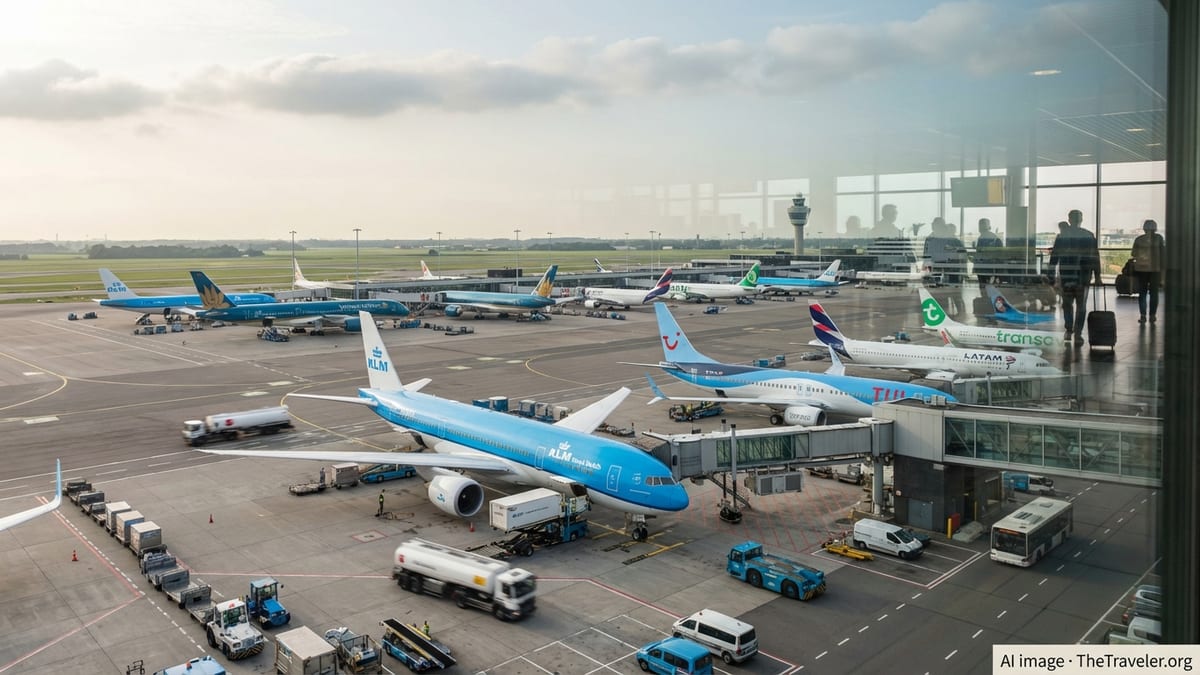
Fresh Long-Haul Links Put Amsterdam Back on the Map
Amsterdam’s global reach is receiving a timely boost from an array of new and returning services that broaden its long-haul network. Vietnam Airlines has confirmed it will begin nonstop flights between Hanoi and Amsterdam on June 16, 2026, using Airbus A350-900 aircraft three times per week. The SkyTeam carrier’s entry creates the first direct link between the Vietnamese capital and the Dutch gateway, tying together two alliance hubs and cutting journey times for corporate and leisure travelers across Southeast Asia and Europe.
From Latin America, LATAM Airlines is adding Amsterdam to its intercontinental map. The airline will launch a new service from São Paulo Guarulhos to Amsterdam on March 29, 2026, positioning the Brazilian megahub as another major feeder into Schiphol. The route is part of a broader expansion that also includes new flights to Brussels and Cape Town, reflecting rising European demand for Latin American holidays and business travel.
These developments come as home carrier KLM continues to grow its own long-haul portfolio from Amsterdam. Over the past seasons the airline has introduced or confirmed services to destinations such as San Diego in the United States and Hyderabad in India, while also stepping up frequencies on a wide range of intercontinental routes. Together, these moves reinforce Schiphol’s status as a competitive transfer point for traffic moving between North America, Asia, Africa and Europe.
The combined effect of additional capacity from Vietnam Airlines, LATAM and KLM is expected to deepen Amsterdam’s long-haul connectivity just as international travel demand remains robust. Industry analysts note that new nonstop options typically stimulate latent demand, drawing in travelers who previously avoided one or two-stop itineraries and encouraging repeat visits from markets with improving air access.
Short- and Medium-Haul Growth from Transavia and TUI fly
While long-haul headlines grab attention, much of Amsterdam’s visitor growth is likely to be driven by new and expanded leisure routes around Europe, North Africa and the Atlantic. Transavia, part of the Air France-KLM group, is in the midst of a significant network build-up from Dutch airports, with Schiphol at its core. For the 2025/26 winter season, the airline is introducing routes from Amsterdam to Cairo and Marsa Alam and extending its Agadir service, alongside existing additions to Rabat and Oujda.
On top of its Egyptian expansion, Transavia has recently announced fresh links such as Rotterdam–Seville and added seats across Spanish and Portuguese destinations, responding to strong year-round demand for sun travel. Earlier network updates from Schiphol highlighted that Transavia’s growth also includes new or extended services to Mediterranean and Balkan cities, giving Dutch and connecting passengers a broader set of short-break and holiday choices.
TUI fly, another key leisure operator at Schiphol, has quietly been increasing capacity to classic beach and island destinations. Recent schedules show additional weekly flights to Curaçao and increased use of larger, more efficient aircraft on high-demand routes. These capacity hikes, though incremental, can collectively add thousands of extra seats per week into Amsterdam’s inbound tourism funnel during peak seasons.
For the city’s hospitality and attractions sector, a denser mesh of short- and medium-haul leisure routes means a more diversified visitor base. Holidaymakers combining Amsterdam with beach stays in Morocco, Egypt or the Caribbean are likely to add one or two hotel nights in the Dutch capital on the way out or back, boosting occupancy and spending beyond traditional city-break segments.
KLM’s Network Strategy Strengthens the Hub
KLM’s evolving network strategy underpins much of Schiphol’s renewed momentum. Recent airport updates detail the carrier’s introduction of new destinations such as Georgetown in Guyana, San Diego in California and Hyderabad in India, along with frequency increases to cities including Cape Town, Miami, Bangalore and São Paulo. These moves deepen coverage in key growth markets while reinforcing the airline’s transfer model centered on Amsterdam.
Crucially, extra flights on trunk long-haul routes create more connection opportunities for partner airlines now flying into Schiphol. Vietnam Airlines’ Hanoi service, for example, will feed passengers into KLM’s extensive European network, while also drawing Dutch and European travelers onward to Vietnamese cities via the airline’s home hub. Similarly, LATAM’s São Paulo–Amsterdam flights add another layer of connectivity between Latin America and Europe, complementing KLM’s own South American services.
The hub’s winter 2025/26 schedule also highlights KLM’s decision to maintain or expand service to destinations such as Aruba, Bonaire, Lima, Panama City and San José. For inbound tourism, these routes are vital, as they bring visitors from regions where Amsterdam serves not only as a city destination but also as a convenient entry point for broader European itineraries.
With competition intensifying at other European hubs, KLM’s strategy of incremental growth on diverse long-haul sectors could help Amsterdam retain a prominent role in global traffic flows. Higher frequencies and broader geographic coverage give tour operators and corporate travel buyers more flexibility when constructing itineraries that include the Dutch capital.
Schiphol’s Expanding Network and the Tourism Outlook
Amsterdam Airport Schiphol’s official network updates show that by 2025 the hub had surpassed 300 direct destinations, of which more than 120 were intercontinental. The impending additions from Vietnam Airlines and LATAM, combined with KLM’s new cities and Transavia and TUI fly’s leisure build-out, indicate that this figure is set to climb further through 2026.
From a tourism perspective, the timing is significant. City officials have been balancing efforts to manage visitor flows in central Amsterdam with ambitions to maintain the city’s global connectivity and economic vitality. New routes that tie Schiphol more tightly into emerging markets in Asia and Latin America could shift some growth toward higher-spend segments, including long-haul leisure, business travelers and those combining urban stays with multi-country tours.
Moreover, better connectivity supports regional dispersal. Travelers arriving on Vietnam Airlines or LATAM services, or flying in via KLM’s new long-haul routes, can connect onward to secondary Dutch cities and neighboring countries by air or rail. This has the potential to spread tourism benefits beyond Amsterdam’s historic core while still leveraging the appeal of the capital as a first stop.
Industry observers caution that slot constraints and environmental regulations will continue to shape how much additional traffic Schiphol can absorb. Nonetheless, the current wave of route announcements underscores that airlines see enduring demand for travel to and through Amsterdam. If that demand materializes as expected, the city and the wider Netherlands could be on the verge of another period of robust tourism growth anchored by a more globally connected Schiphol.