

More news on this day
A new generation of luxury cruise brands is reshaping how affluent Americans take to the seas, trading formal dress codes and megaship crowds for yacht-like vessels, resort-style design and experiences calibrated to younger, high-earning travelers.
Get the latest news straight to your inbox!
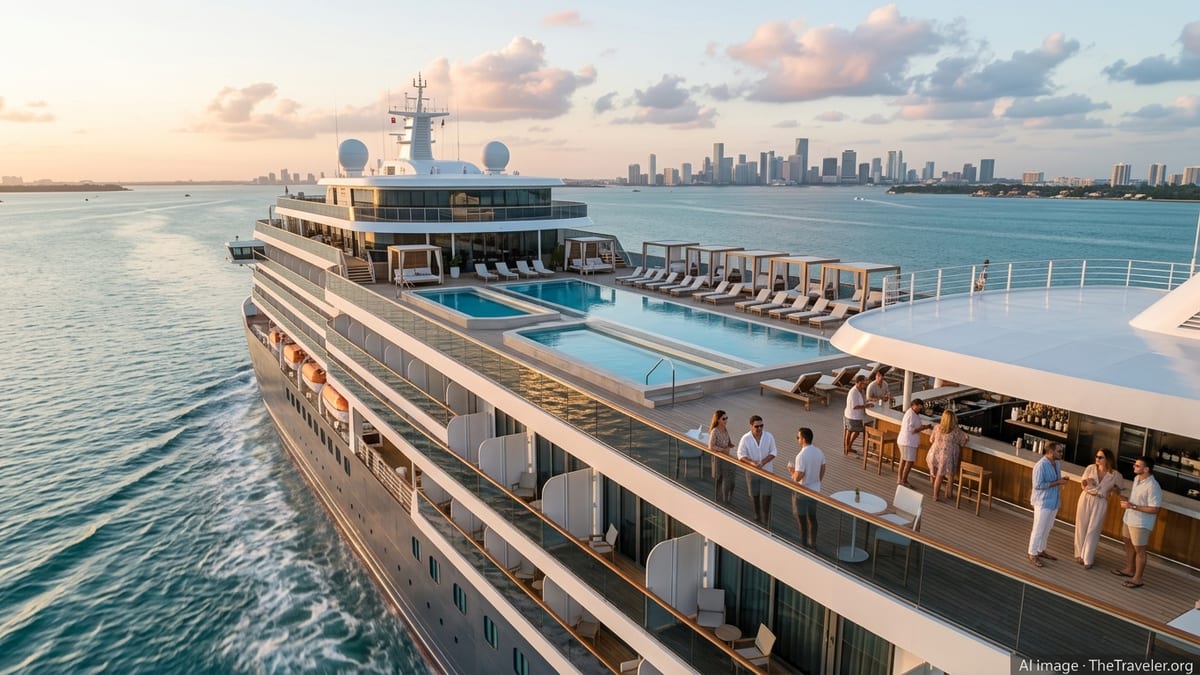
Yacht-Style Ships Target a New Luxury Demographic
In the United States, luxury cruise demand is increasingly coming from travelers in their 40s and 50s who earn high incomes, travel frequently and are willing to pay more for privacy and personalization. Industry demographic studies and port authority data indicate that millennials and younger Gen Xers now account for a rising share of cruise intent, even in segments once dominated by retirees. This shift is prompting cruise companies to design hardware, pricing and onboard programs with a younger affluent guest in mind.
Explora Journeys, the luxury ocean brand created by MSC Group, exemplifies the trend. Launched in 2023 with Explora I and now expanding a six-ship orderbook through 2028, the line markets itself as “ocean travel” rather than traditional cruising, positioning against high-end land resorts instead of mass-market ships. Reports from trade publications describe a typical guest base skewing younger than legacy luxury lines, with many travelers still in full-time careers and using limited vacation time for longer, once-a-year sailings.
Other hotel-backed entrants are following a similar playbook. The Ritz-Carlton Yacht Collection entered service in late 2022 with its small-ship Evrima and added Luminara in 2025, bringing the brand’s clubby, residential style to sea. Four Seasons is preparing its first yacht for delivery around mid-decade, with orderbook data showing small capacities but high per-diem pricing. Together, these brands are expanding the choices for U.S. luxury travelers who might previously have ignored cruises altogether.
Market analyses suggest that while cruise penetration in the United States remains in the low double digits, luxury demand within that base is outpacing overall growth. Cruise company filings highlight favorable long-term demographics, with the number of people in the industry’s primary age bands increasing through at least 2030. For new luxury concepts, the opportunity lies in capturing travelers who already stay in five-star resorts but have never booked an ocean voyage.
Design Language Shifts from Cruise Ship to Boutique Resort
To capture younger affluent guests, new luxury lines are rethinking what a ship should look and feel like. Coverage in outlets such as Travel Weekly, Forbes and specialist cruise media notes that Explora Journeys has drawn inspiration from boutique European hotels, emphasizing natural light, neutral palettes, art-forward public areas and large suites that resemble residential apartments. The goal is to feel familiar to guests loyal to brands like Aman, Rosewood or high-end city hotels rather than to traditional cruise décor.
Publicly available details about upcoming Four Seasons and Ritz-Carlton yachts indicate a similar design direction. Renderings highlight expansive open decks, al fresco dining, infinity pools that blend into the seascape and lounge spaces laid out like private members’ clubs. Interior design partners are often drawn from the hotel and residential sectors rather than conventional marine contractors, reinforcing the message that these are floating resorts first and cruise ships second.
A more relaxed approach to formality is also playing a role in attracting younger guests. Reports on Explora Journeys describe a “casual chic” atmosphere, with no set formal nights and flexible dining times in multiple restaurants that lean heavily on contemporary culinary trends. This mirrors the expectations of U.S. travelers who dine in chef-driven restaurants at home and prefer choice over fixed seating and banquet-style service.
Technology and space allocation onboard are being quietly reengineered to match these preferences. Newer luxury ships dedicate more square footage per guest than many mass-market vessels, allowing for larger terraces, private cabanas and quieter lounges suitable for remote work or digital downtime. At the same time, high-capacity theaters and large casinos are giving way to smaller entertainment venues, wellness areas and concept bars that resonate with a younger, experience-focused clientele.
Programming for Younger Adults and Multigenerational Luxury
While some premium brands such as Virgin Voyages have positioned themselves as adults-only and heavily nightlife-oriented, the newest luxury entrants are taking a broader approach to age while still skewing younger in mindset. Explora Journeys, for example, has invested in youth programming atypical for the luxury tier, including a Nautilus Club concept with curated activities for children and teenagers and family-focused educational content around marine conservation, according to program descriptions and press materials.
Industry commentary characterizes this as an attempt to fill a gap for affluent multigenerational travelers who want an upscale environment without sacrificing high-quality activities for younger family members. For U.S. households where grandparents, parents and older children travel together, the ability to book suite-style accommodation, private dining rooms and bespoke shore excursions while still offering age-appropriate spaces for younger guests is becoming a key selling point.
On adults-only ships, efforts to appeal to younger demographics often focus on social spaces and flexible nightlife rather than age-specific programming. Virgin Voyages sailings from Miami, for instance, feature late-night entertainment, contemporary fitness offerings and informal dining that resemble a high-end lifestyle hotel. Although passenger feedback suggests that the actual age mix ranges widely, the brand’s design, branding and marketing campaigns are clearly targeted at younger-minded guests who might not identify with traditional cruise imagery.
Across the sector, luxury and upper-premium operators are expanding wellness, culinary and cultural programming that resonates with travelers who value experiences over status symbols. This includes longer port stays, small-group shore excursions, chef collaborations and spa concepts focused on holistic wellbeing rather than purely cosmetic treatments. For many younger affluent guests, these elements are as important as the hardware of the ship itself.
Flexible Itineraries and Longer Voyages Attract High-Earning Americans
Another major change driven by younger affluent travelers is the move toward more flexible, experience-led itineraries. New luxury ships are increasingly scheduled on longer, less repetitive routes that emphasize destination immersion over simple sun-and-sea loops. Orderbook and deployment data show small-ship luxury brands focusing on extended Mediterranean, Northern Europe, Caribbean and transatlantic journeys that can be combined into months-long “grand journeys” for guests able to work remotely or take extended leave.
In the U.S. market, this aligns with a growing cohort of high-earning professionals who can blend work and leisure at sea. Some luxury lines now promote robust connectivity, quiet co-working style lounges and suites equipped for extended stays, positioning the ship as a mobile second home. Published coverage indicates that Explora Journeys, among others, is explicitly courting “luxury landlubbers” who might usually winter in resort destinations but are now willing to consider an extended ocean itinerary instead.
Pricing data cited in European and U.S. business press suggests that daily rates on the newest luxury ships can exceed many top-tier resorts, particularly once inclusions such as drinks, gratuities and selected excursions are factored in. For affluent Americans accustomed to paying premium prices for branded luxury on land, predictable all-in pricing and the ability to visit multiple destinations in one trip are proving to be compelling arguments for trying ocean travel.
Ports in the United States are adapting to this shift. Planning documents and cruise forecasts from major East Coast gateways highlight expectations for continued luxury and small-ship growth, even as overall capacity remains dominated by mainstream megaships. For local economies, high-spend but lower-volume luxury calls are seen as a way to capture visitor spending while mitigating concerns about congestion.
Competition Pushes Traditional Luxury Lines to Modernize
The arrival of hotel-backed and resort-inspired brands is also pushing long-established luxury cruise lines serving U.S. travelers to modernize. Analysts note that traditional operators in the segment, including all-suite brands and premium lines with luxury enclaves, are refurbishing ships, updating décor and expanding wellness and culinary offerings to keep pace with newcomers that emphasize contemporary design and lifestyle positioning.
Marketing materials across the sector increasingly highlight informality, flexibility and individuality rather than dress codes and formal service. Campaigns reference “curated journeys,” “residential living at sea” and “oceanfront resorts,” echoing language pioneered by the latest entrants. At the same time, heritage luxury brands continue to stress attentive service and spacious accommodations, betting that they can blend classic hallmarks with a fresher aesthetic to retain loyal guests while attracting younger ones.
Industry reports indicate that the combined effect is a broad redefinition of what luxury ocean travel means for U.S. consumers. Where luxury cruises were once synonymous with an older demographic and rigid routines, the emerging picture is more diverse: smaller ships, younger but still affluent passengers, and experiences designed to compete directly with high-end resorts and residential clubs on land. As orderbooks fill with new tonnage and additional hotel groups explore the space, competition for the next generation of luxury cruisers is set to intensify.