

More news on this day
Tourism links between Australia and Indonesia are tightening as airlines add new services from Melbourne to Bali and Jakarta, creating smoother one-stop access to Labuan Bajo and Komodo National Park and signalling a broader push to spread visitor traffic beyond Bali’s already busy shores.
Get the latest news straight to your inbox!
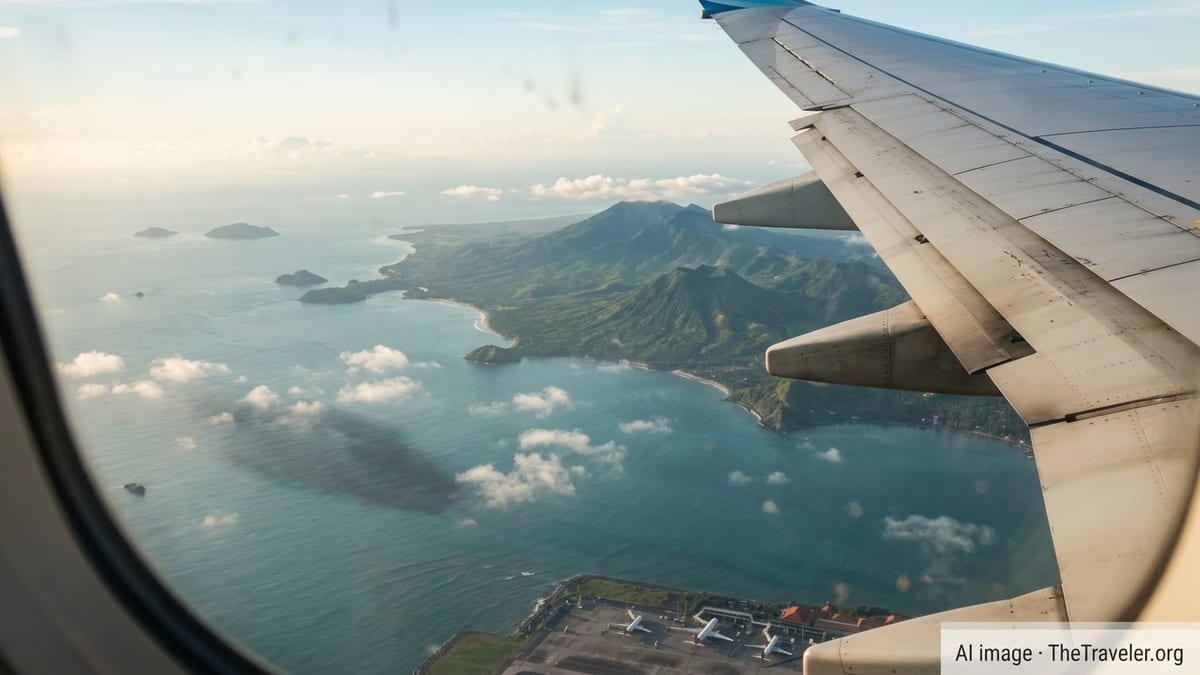
New Routes Put Indonesia’s Islands Within Easier Reach
Publicly available airline announcements and schedule data show that carriers are investing heavily in Indonesia services from Victoria, with Bali and Jakarta acting as primary gateways. Melbourne’s main Tullamarine Airport already supports multiple nonstop flights to Denpasar, and capacity is being reinforced by additional services from low cost and full service airlines. Industry coverage indicates that Garuda Indonesia, Virgin Australia and Jetstar continue to treat Bali as Australia’s most in-demand overseas leisure destination, with Melbourne a core market.
At the same time, Jakarta is regaining prominence as a hub for both business and connecting leisure traffic. Reports from aviation analysts note that Garuda Indonesia has been building its Australia–Indonesia network with additional frequencies linking Melbourne to both Bali and Jakarta, giving travelers more flexibility on departure times and connection windows. For passengers headed beyond the main gateways to places such as Labuan Bajo, this extra capacity can translate into tighter overall itineraries and shorter layovers.
While most services still terminate in Bali or Jakarta, the real shift for tourism is the way these flights connect onward to eastern Indonesia. Domestic carriers and regional operators run frequent links from both hubs to Labuan Bajo, the closest airport to Komodo National Park. As a result, Australians can increasingly complete the journey from Melbourne to Komodo with a single same-day connection, rather than an overnight stop.
Industry commentary also points to Bali’s evolving role as more than a final holiday destination. As airlines add routes from secondary Australian cities into Denpasar, Bali’s airport is functioning as a springboard for multi-stop trips taking in Flores, Lombok, Sumba and other islands, redistributing visitor spending across Indonesia’s wider tourism economy.
Jetstar’s Avalon–Bali Launch and What It Means for Victorians
One of the highest profile developments for Victorian travelers is Jetstar’s decision to launch direct international services between Melbourne’s Avalon Airport and Denpasar. According to the airline’s published announcements and route maps, the new Avalon–Bali flights are scheduled to begin operating several times per week in March 2026, using single aisle Airbus A321LR aircraft configured for medium haul leisure routes. These services will be Jetstar’s first international flights from Avalon.
For passengers in Melbourne’s western suburbs and regional Victoria, Avalon offers a smaller, easier to navigate alternative to Tullamarine. Parking and terminal processing are generally less congested, and travel times from Geelong, the Surf Coast and parts of western Melbourne can be shorter by road. Combined with competitive low cost fares, these factors may make Bali getaways more accessible for families and younger travelers who are price sensitive but time poor.
The Avalon–Bali route also increases overall seat capacity between Victoria and Indonesia. Aviation data platforms tracking Australian international growth highlight these additional seats as part of a broader 2026 bounce in outbound leisure traffic. As more capacity becomes available, fare sales and package deals have historically followed, so travel agents are watching closely for promotions that combine flights into Denpasar with domestic Indonesian sectors to Labuan Bajo.
Travel planners note that, even though the Avalon service operates from a different airport to most long haul international flights out of Melbourne, it can still form part of more complex itineraries. Some travelers may choose to arrive back into Avalon after an Indonesia trip and then connect by train or road to Tullamarine for onward long haul flights, while others will simply treat Bali and Komodo as stand alone holiday destinations.
Melbourne–Jakarta Links Strengthen Strategic Tourism Corridor
Jakarta’s role in the tourism relationship is growing alongside its political and economic ties with Australia. News coverage of recent bilateral agreements between Canberra and Jakarta has highlighted tourism and aviation connectivity as practical ways to deepen people to people engagement. Within that context, expanded Melbourne–Jakarta flights give travelers more options to experience Indonesia’s capital and to connect to secondary cities.
Jakarta’s Soekarno Hatta International Airport is a key hub for flights across the Indonesian archipelago, including multiple daily services to Labuan Bajo operated by domestic airlines. Travelers who prefer to avoid Bali’s high season crowds or who are combining business meetings in Jakarta with a short break in Komodo can use Melbourne–Jakarta flights as the backbone of their trips. According to route planners, some schedules now allow for relatively short transit times between Melbourne arrivals and onward departures to eastern Indonesia.
For tourism businesses, better connectivity with Jakarta opens opportunities to market dual city and multi island itineraries. Travel companies are promoting combinations such as a few nights exploring Jakarta’s food scene and heritage districts, followed by a nature focused add on in Komodo National Park or on nearby islands. Public information from Indonesia’s tourism authorities shows an ongoing push to promote destinations beyond Bali, and easier access from Melbourne supports that diversification goal.
Melbourne based Indonesian diaspora communities also stand to benefit from improved Jakarta links, with simpler journeys for family visits and events. Higher frequency services typically allow greater flexibility around school holidays and religious festivals, which can help spread demand across the calendar and ease peak period pressure on popular routes.
Gateway to Komodo: How to Connect Onward to Labuan Bajo
Despite headlines about new connectivity, there is not yet a nonstop service from Melbourne to Labuan Bajo. Instead, travelers reach Komodo National Park via connecting itineraries through Bali or Jakarta. Travel planning platforms detail multiple daily domestic flights between these hubs and Labuan Bajo’s Komodo Airport, operated by Indonesian carriers that use narrow body jets or turboprops suited to regional operations.
For most visitors, the simplest routing is Melbourne to Denpasar, then a short domestic hop to Labuan Bajo. Many itineraries allow for a same day connection, but experts recommend building in generous transfer time to account for immigration, baggage reclaim and potential schedule changes. Some travelers prefer to spend a night in Bali on the way in or out, using the stopover to break up the journey and enjoy the beaches or cultural attractions around Ubud and Canggu before flying on to Flores.
Those choosing to connect through Jakarta may benefit from a wider range of domestic airlines and fare levels, especially outside peak holiday periods. Jakarta’s larger hub status often means more resilience when it comes to schedule adjustments, and some travelers find it easier to secure domestic seats to Labuan Bajo from the capital during busy times. However, total travel time from Melbourne via Jakarta can be longer compared with Bali routings, and airport transfers between terminals may be required depending on the airline.
Once in Labuan Bajo, travelers typically join boat trips and liveaboard cruises that explore Komodo National Park’s islands, coral reefs and the famous Komodo dragons. Tourism operators in the region have been expanding capacity in response to rising interest from Australia, and local authorities have publicly discussed the need to balance visitor growth with conservation, including through park fee structures and limits on daily visitor numbers in sensitive zones.
Practical Tips and Planning Considerations for Australian Travelers
With new and expanded routes coming online, would be visitors from Melbourne are being encouraged by travel advisers to pay closer attention to timing, connection windows and seasonal factors. Indonesia experiences distinct wet and dry periods that vary slightly by region, and Komodo National Park can be affected by strong winds and sea conditions at certain times of year. Checking both international and domestic flight schedules against planned boat trips or dive cruises is essential to avoid missed departures.
Reports from consumer travel outlets also stress the importance of allowing flexibility around domestic Indonesian legs, which can be more vulnerable to weather disruptions and operational changes. Booking through a single ticket with one airline group or using a reliable intermediary can simplify rebooking if a delay causes a missed connection. Travelers who arrange separate tickets between Melbourne, Bali or Jakarta and Labuan Bajo should factor in longer layovers and consider overnight stops.
On the policy side, Indonesia continues to adjust its visa and tourism fee frameworks. Australians should refer to the latest official travel advisories and Indonesian government information prior to departure to confirm entry requirements, potential visa on arrival options and any regional conservation levies associated with visiting Komodo National Park. Travel insurance that covers flight disruption and adventure activities, including diving, is widely recommended in industry guidance.
As airlines and tourism boards promote the new connectivity, analysts expect Melbourne based demand for Indonesia’s lesser known islands to keep climbing. For travelers, the emerging network of direct flights to Bali and Jakarta, combined with improving domestic links to Labuan Bajo, is turning what was once a multi day journey into a manageable escape that pairs urban energy with some of Southeast Asia’s most dramatic marine landscapes.