

More news on this day
Travelers heading into the heart of spring break are facing hours-long security lines at major U.S. airports, with New Orleans now joining Houston, Atlanta, North Carolina hubs and others in warning of significant TSA delays tied to the ongoing federal government shutdown.
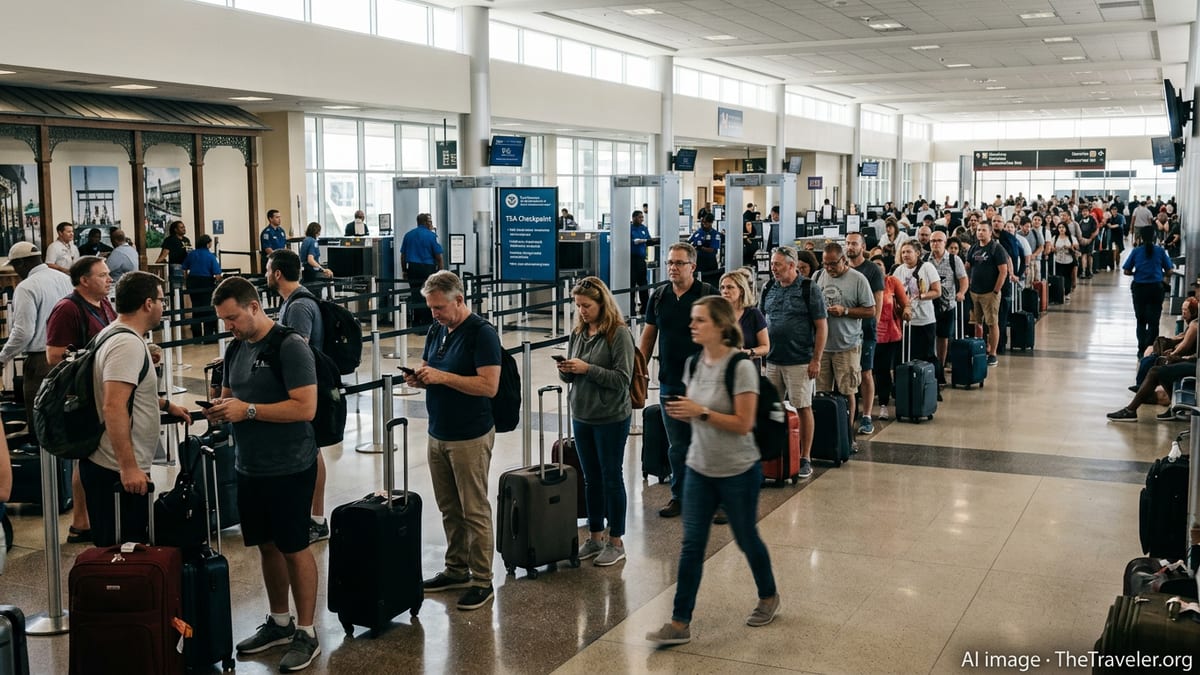
How the Shutdown and Spring Break Collided
Security lines at airports from New Orleans to Houston and Atlanta stretched for up to three hours over the weekend, as the partial shutdown of the Department of Homeland Security began to bite just as spring break traffic surged. Transportation Security Administration officers are considered essential staff and must continue working, but many are now doing so without pay, fueling higher-than-normal absences and thinner coverage at checkpoints.
In New Orleans, Louis Armstrong New Orleans International Airport reported unusually long lines on Sunday, advising passengers that a shortage of TSA screeners was causing "longer-than-average" waits and urging travelers to arrive at least three hours before departure. Some passengers reported lines snaking through the main terminal and into the adjacent parking garage as the Sunday afternoon rush built.
Houston’s William P. Hobby Airport saw estimated wait times reach about three hours at standard checkpoints at one point Sunday evening, according to airport officials, who repeatedly escalated guidance on social media from suggesting early arrival to recommending passengers show up four to five hours before their flights. George Bush Intercontinental Airport, also in Houston, reported shorter waits but warned of fluctuating conditions as staffing levels shifted by shift and by terminal.
The delays are not confined to the Gulf Coast. TSA data and local reports show longer-than-normal lines at Hartsfield-Jackson Atlanta International Airport and Charlotte Douglas International Airport in North Carolina, two of the country’s busiest hubs, where spring break demand is adding to the strain on already stretched security teams.
What Travelers Are Experiencing on the Ground
For many passengers, the impact has been immediate and disruptive. Weekend videos from New Orleans and Houston showed dense queues filling security halls, with some travelers saying they waited close to three hours to reach the X-ray belt. Others described sprinting to gates or missing flights outright when lines moved more slowly than advertised.
In New Orleans, some early-morning travelers on Monday reported more typical wait times of 30 minutes or less as operations stabilized overnight, but by midmorning, airport officials were again cautioning that conditions could change quickly as flights banked up and staffing fluctuated. The single consolidated checkpoint at Louis Armstrong means that any shortage of screeners can ripple through all airlines at once, leaving few options to reroute passengers.
At Atlanta and Charlotte, passengers have reported a patchwork of experiences: relatively smooth screening during quieter early hours, followed by bottlenecks that built rapidly later in the day. With more than 2 million travelers expected to pass through some hubs over the spring break period, small changes in staffing or flight schedules can quickly turn into cascading delays at security.
Houston travelers have voiced particular frustration with the speed at which wait times escalated. Some who arrived the typical two hours before departure found themselves inching forward in security lines that did not match the shorter estimates posted on mobile apps, which are being updated less reliably during the shutdown. That mismatch has prompted both airports and airlines to fall back on conservative advice: arrive earlier than you think you need to.
Why TSA Lines Are So Long Right Now
The current crunch arises from a combination of structural and immediate pressures. The federal shutdown has halted normal pay for TSA officers, leading to rising unscheduled absences as some workers juggle second jobs, caregiving responsibilities and basic bills. While formal walkouts have not been reported, airport and union officials say attrition and sick calls are thinning rosters at a time when demand is surging.
At the same time, spring break is one of the busiest travel periods of the year, particularly across the Sun Belt. Airports in Louisiana, Texas, Georgia and the Carolinas see sharp spikes in leisure travel as families and college students head to beaches, festivals and cruises. Airlines have scheduled fuller planes and tighter turns, leaving less slack in the system if passengers are late arriving from security.
The Department of Homeland Security has said that TSA is prioritizing staffing at the largest and most complex airports, but even those hubs are vulnerable when officer attendance dips unexpectedly at specific checkpoints or times of day. Because many officers are trained for particular lanes and equipment, not every screener can be redeployed instantly to cover gaps, leading to chokepoints even when overall staffing appears adequate on paper.
Compounding matters, some routine mitigations have been constrained. Expansion of expedited screening programs and training of new officers has slowed during the shutdown, and airport operators say they have limited authority to open additional lanes without federal staff on hand to operate them. The result is a system that functions well under normal strain but tips quickly into visible queues when any one variable shifts.
Airports’ Messages to Passengers
Across the affected airports, one message has been consistent: arrive very early and be prepared for volatility. Louis Armstrong New Orleans International Airport is encouraging travelers to arrive at least three hours before domestic departures and even earlier for international flights, warning that waits of up to two hours at security remain possible during peak periods this week.
Houston Airports, which oversees Hobby and George Bush Intercontinental, has recommended that passengers bound from Hobby budget up to four or five hours before flight time during the heaviest spring break waves. Public statements emphasize that the situation can vary sharply by terminal and by time of day, so a smooth journey for one traveler may not guarantee the same for someone flying a few hours later.
In Atlanta and Charlotte, airport operators and airlines have urged passengers to build in extra time, enroll in trusted-traveler programs where possible and use mobile check-in to avoid additional lines at ticket counters. They also highlight that early-morning and late-evening flights tend to face less severe congestion than midday departures, though that pattern may shift as spring break continues and the shutdown drags on.
Airport social media feeds, terminal signage and gate announcements are all being used to reinforce the message that security operations remain under federal control and are subject to sudden changes depending on staffing. Travelers are being asked to follow real-time updates from airports and airlines and to heed any calls to adjust arrival times, even if those recommendations seem more conservative than usual.
How to Navigate Your Next Flight
For travelers planning to pass through New Orleans, Houston, Atlanta, Charlotte or other busy hubs in the coming days, experts advise treating this as an unusually high-risk period for security bottlenecks. That means adding at least an extra hour to the standard guidance for airport arrival, particularly for morning and midafternoon departures when banks of flights leave in quick succession.
Passengers are also urged to complete as many steps as possible before reaching the airport. Checking in online, downloading airline apps and confirming that checked bags meet size and weight limits can help avoid delays at ticket counters. At security, packing light, wearing easily removable shoes and keeping electronics and liquids accessible can help lines move more efficiently when they do begin to back up.
Those with access to TSA PreCheck, CLEAR or airline priority lanes may see somewhat shorter waits, but airports caution that even expedited screening lines can slow when staffing is tight. Families traveling with children or less frequent flyers should factor in extra time for navigating unfamiliar terminals, restrooms and food stops once they are through security.
Most importantly, travelers should stay flexible. With the government shutdown showing no immediate sign of resolution and spring break only just beginning, airport conditions are likely to remain fluid for at least the next several days. Rebooking options, travel insurance with trip delay coverage and backup ground transportation plans can all help mitigate the fallout if security delays cause missed connections or cancellations.