

More news on this day
Travelers using Louis Armstrong New Orleans International Airport in 2026 are being urged to arrive at least three hours before departure, as a national Transportation Security Administration staffing crunch drives unusually long and unpredictable security lines at MSY.
Get the latest news straight to your inbox!
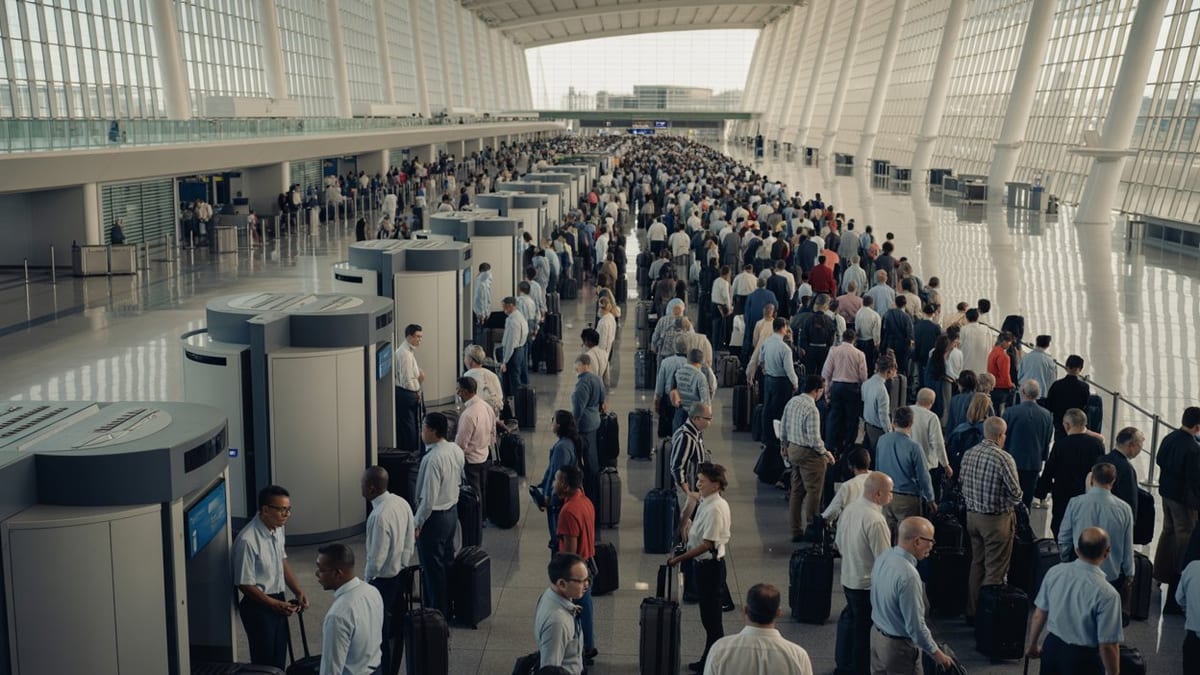
Image by Travel And Tour World
Staffing Shortages Turn Routine Departures Into Time Crunches
Publicly available information from New Orleans’ Louis Armstrong International Airport shows that a prolonged federal government funding dispute has left TSA screeners working without normal staffing levels, with callout rates among the highest in the country. Recent coverage indicates that more than a third of scheduled screeners at MSY have been absent on peak days, contributing to bottlenecks at the main checkpoint.
National reporting on the Department of Homeland Security shutdown describes hundreds of TSA officers leaving their posts since mid‑February 2026, creating gaps across major hubs. New Orleans has emerged as a particular pain point, with TSA absenteeism in the city topping many larger airports. That imbalance between traveler volume and available screeners is now translating directly into extended queues and missed flights.
Over several March weekends, social posts and local coverage have documented security lines stretching back into MSY’s baggage claim area and short term parking garage. Passengers describe waits of two to three hours in standard screening during busy spring break travel, even before factoring in airline check in and baggage drop.
In response to those patterns, airport communications and national broadcast reports now advise passengers flying from New Orleans in 2026 to time their arrival for a full three hours ahead of scheduled departure, even for domestic routes.
Three Hour Guidance Becomes the New Normal at MSY
According to recent reports from public radio and regional television outlets, Louis Armstrong International has joined a growing list of airports recommending significantly earlier arrival than in typical years. For MSY, that benchmark has solidified at three hours, with the warning applied broadly to most departures rather than reserved only for holidays.
The updated guidance reflects what travelers have been experiencing on the ground. Coverage of mid March travel described New Orleans advising a three hour lead time on the same days that Houston and Atlanta were warning of two hour or longer waits. Local travelers posting real time updates from MSY have echoed that advice, frequently urging others to plan for a multi hour buffer even when flying outside the largest hubs.
Airport statements note that the longest waits tend to occur during predictable peaks, including early morning bank departures between about 4 a.m. and 7 a.m. and afternoon waves from mid afternoon into early evening. On Sundays and Mondays in particular, when weekend leisure travelers overlap with business flyers, lines have repeatedly surged beyond what the existing TSA workforce can process quickly.
While there are still windows of relatively light traffic, especially on some midweek and late evening departures, the three hour recommendation is framed as a risk management tool for passengers who cannot afford to miss flights. Travelers who happen to encounter shorter lines simply gain more time inside the terminal instead of confronting last minute scrambles at the checkpoint.
Shutdown Politics Ripple Through New Orleans Travel Plans
The turbulence at MSY is rooted in a broader political fight over Homeland Security funding that has left TSA workers facing delayed or uncertain pay. National news outlets report that more than 450 officers have quit during the partial shutdown, while thousands more have called out on any given day. Airports with already lean staffing, including New Orleans, have been hit hardest.
New Orleans coverage outlines how the city’s airport has repeatedly posted some of the highest TSA callout rates in the country across several March weekends. High absenteeism has forced the consolidation of screening lanes and intermittent closure of expedited options such as PreCheck or private clearance services during certain time blocks, pushing more passengers into a smaller number of open lines.
In an unusual step, federal agencies have reassigned Immigration and Customs Enforcement personnel to work alongside TSA at MSY in an attempt to relieve pressure. Published reports describe ICE agents assisting with functions such as monitoring exit lanes and checking identification so that limited TSA staff can focus on operating X ray machines and screening equipment.
Despite those short term measures, travelers continue to encounter sporadic extremes, from 15 minute waits during off peak periods to multi hour queues on the busiest days. The variability has complicated planning for both residents and visitors heading to or from New Orleans, especially during school holidays, festivals, and major sporting events.
What 2026 Flyers Through MSY Should Expect
For travelers booked through Louis Armstrong International in 2026, publicly available guidance emphasizes preparation and flexibility. Recent travel advisories and consumer coverage recommend treating the three hour arrival suggestion as a baseline, particularly on Sundays, Mondays, and during known peaks such as early morning and late afternoon.
Airlines continue to advise passengers to complete as much pre travel work as possible before reaching the airport, including checking in online, prepaying for bags when available, and confirming terminal and gate information. These steps do not shorten TSA lines themselves, but they can help travelers move directly to security once they arrive at MSY, preserving precious minutes during crunch periods.
Travel experts cited in national broadcasts also point to tools such as the MyTSA app and airport social feeds, which can provide estimated wait times or at least a sense of whether lines are trending longer or shorter on a given day. However, given how quickly conditions can change with a few unexpected callouts, these tools are framed as supplements rather than guarantees.
For those connecting through New Orleans, the staffing shortage has become an argument for longer layovers when booking multi leg itineraries. Consumer outlets note that tight connections that previously felt routine may now carry significantly more risk, especially when inbound delays combine with outbound screening backups.
Outlook for New Orleans Travelers as the Year Unfolds
As of late March 2026, there is no firm timeline in public reporting for when TSA staffing at MSY will return to pre shutdown norms. Negotiations in Washington over a Homeland Security funding package are ongoing, and national coverage suggests that additional resignations are possible if pay uncertainty persists.
Industry analysts quoted in recent transportation coverage warn that even once a budget agreement arrives, airports like New Orleans could face a lag before staffing stabilizes. Recruiting, vetting, and training new screeners is a multimonth process, and some officers who have left are unlikely to return. That means elevated wait times and three hour arrival advice may continue well beyond the immediate political standoff.
For New Orleans, a city that hosts a steady calendar of conventions, festivals, and major events, continued security bottlenecks could become a recurring storyline in 2026 travel planning. Local tourism and hospitality businesses are already encouraging visitors to factor airport delays into their arrival and departure days, particularly around high demand weekends.
Until staffing levels catch up with passenger demand, the message for anyone flying through Louis Armstrong International is straightforward. In 2026, MSY is no longer an airport where cutting arrival times close is a safe bet, and planning to be at the terminal three hours before departure has become a key part of traveling through New Orleans.