

More news on this day
San Francisco International Airport is preparing for a prolonged period of schedule disruption as runway construction and new federal landing rules combine to sharply reduce hourly arrivals and increase the risk of delays through early October.
Get the latest news straight to your inbox!
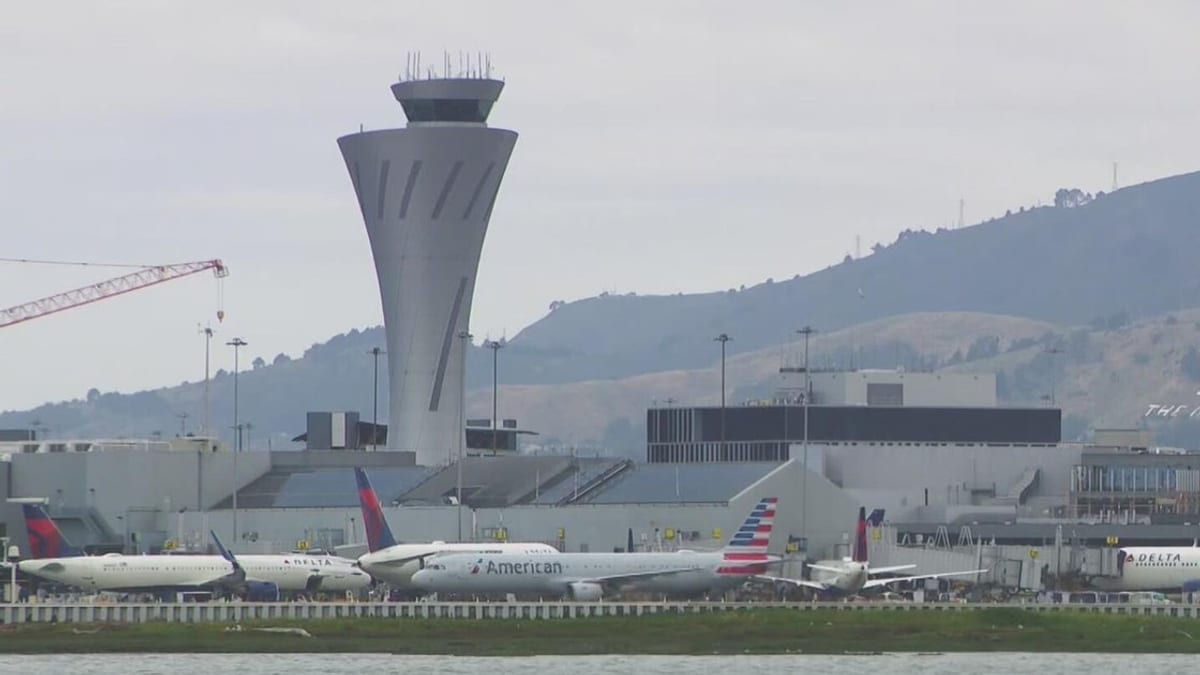
Image by cbsnews.com
Runway repaving cuts capacity through October
Publicly available information shows that one of San Francisco International Airport’s north-south runways has been taken out of service for a six-month repaving and upgrade project that began in late March. Airport materials indicate the work is scheduled to last until October 2, 2026, removing a key piece of infrastructure from an already complex airfield layout.
During the project, the parallel runway closest to the construction zone is being used primarily as a taxiway to keep aircraft moving on the ground. That choice supports safety and ground-flow efficiency but further limits the number of runways available for arrivals and departures at peak periods, especially when winds require north-south operations.
Before construction began, forecasts suggested that about 10 to 15 percent of flights might face delays of 30 minutes or more. Updated projections shared in recent coverage now point to a steeper impact, with roughly a quarter of arriving flights expected to experience half-hour delays on busy days while the repaving continues.
The airport has framed the work as part of long-planned infrastructure maintenance and modernization, noting that runway surfaces and safety areas must meet strict federal standards. For travelers, however, the immediate effect will be felt in longer arrival queues and a greater chance of missed connections during the construction window.
New FAA rules end side-by-side landings
At the same time the construction project is under way, the Federal Aviation Administration has introduced new procedures at San Francisco that significantly change how aircraft are brought in to land. According to recent federal updates and news reports, the agency has moved to prohibit traditional side-by-side landings on SFO’s closely spaced parallel runways, citing the unique geometry of the airfield and the complexity of Bay Area airspace.
Instead of allowing two aircraft to touch down almost simultaneously on the adjacent runways, the FAA is now requiring staggered approaches that keep one aircraft offset from the other. Aviation analysis published this week notes that this shift reduces the maximum arrival rate and changes how controllers sequence flights in the final miles before touchdown.
The policy change is described in coverage as a permanent adjustment rather than a temporary construction workaround. That means even after the repaving project ends, the old high-throughput pattern of paired arrivals is unlikely to return, and San Francisco’s long-term capacity will remain below its previous level in certain weather and traffic conditions.
The new rules apply specifically to San Francisco’s configuration of parallel runways, which are closer together than at many other major hubs. Industry observers point out that the combination of tight runway spacing, frequent coastal weather and dense regional traffic from nearby airports has made SFO a focus of federal attention for years.
Arrivals per hour cut by one-third
According to published coverage from national and regional outlets, the FAA’s changes and the runway closure together have led to a sharp cut in the number of planes that can arrive at SFO each hour. The airport’s maximum arrival rate is being reduced from about 54 flights per hour to roughly 36 while the construction is in progress.
Roughly half of that reduction is tied directly to the closed runway, which removes some operational flexibility during certain wind and traffic patterns. The remainder is linked to the revised landing procedures, which require more spacing and coordination between aircraft on final approach.
Travel-industry analyses describe this as a meaningful drop that effectively turns SFO into a more constrained airport during peak periods. When demand for arrivals exceeds the reduced hourly limit, flights are held at their departure airports or slowed en route, creating rolling delays that can ripple through airline schedules.
Because San Francisco serves as a major hub, particularly for transcontinental and transpacific routes, even small reductions in throughput can have network-wide effects. Carriers may respond by adjusting schedules, consolidating flights or shifting some traffic to nearby airports in Oakland and San Jose to keep operations moving.
What travelers can expect this spring and summer
Forecasts shared by the airport and in aviation media indicate that travelers should prepare for a higher likelihood of delays, especially on arrivals into San Francisco during the busiest morning and evening banks. The current expectation is that around one in four inbound flights could be delayed by at least 30 minutes at some point during the construction period.
Delays may not be uniform throughout the day. Periods of strong onshore winds, low clouds or fog, which are common in the Bay Area, reduce flexibility in how runways can be used and can magnify the impact of the new rules. When those conditions overlap with peak travel times, holding patterns and ground stops become more likely.
Passengers connecting through SFO may be particularly exposed to disruption. Travel planners note that tighter layovers that once worked reliably under the higher arrival rate could become risky while capacity is constrained. Longer minimum connection times and earlier departure choices may provide more breathing room for itineraries over the coming months.
Some airlines have indicated through public statements and schedule filings that they are reviewing their operations at SFO in light of the new environment. Adjustments could include retiming certain flights, swapping aircraft types or shifting marginal routes to alternate Bay Area airports where runway capacity is less constrained.
Planning strategies for SFO-bound travelers
For travelers who must pass through San Francisco between now and early October, published guidance from airline and airport communications suggests building extra time into plans. Booking earlier flights in the day, choosing longer connection windows and avoiding last departures on critical routes can all help reduce the stress of potential delays.
Experts quoted in recent coverage recommend paying close attention to airline notifications and checking flight status frequently in the 24 hours before departure, as schedules may adjust in response to evolving traffic-management decisions. Allowing additional time to reach the airport and clear security can also cushion against last-minute gate changes or boarding accelerations if air traffic flow improves unexpectedly.
Travelers with flexibility may want to consider using Oakland or San Jose, particularly for point-to-point West Coast journeys where route options exist across multiple Bay Area airports. These alternatives are not immune to regional airspace constraints, but they are less directly affected by SFO’s runway layout and the specific rule changes now in force.
While the construction and procedural shift represent a significant short-term inconvenience, airport planning documents and federal updates frame the work as an investment in longer-term resilience and safety. For now, though, anyone flying into or out of San Francisco this spring and summer should be prepared for a busier-than-usual arrivals board and the possibility of spending a bit more time in the terminal than planned.