

More news on this day
Plans for Etihad Airways, Air India, Nepal Airlines and Druk Air to launch direct services to an upgraded Syedpur Airport in northern Bangladesh are sharpening regional hopes for a faster, more seamless air bridge linking Nepal, Bhutan, India and Bangladesh.
Get the latest news straight to your inbox!
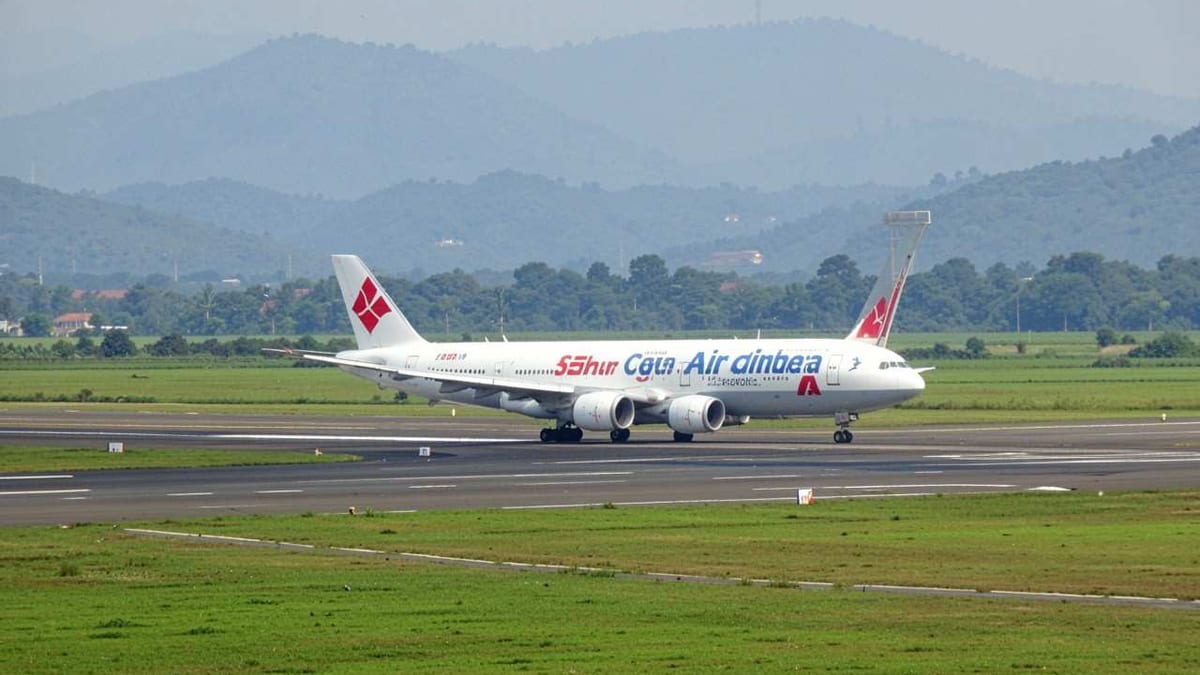
Image by Travel And Tour World
Syedpur’s Upgrade Aligns With Bangladesh’s Regional Hub Ambitions
Syedpur Airport, located in Nilphamari district in Bangladesh’s north, has been the focus of a long-running effort to transform it from a domestic facility into a regional gateway. Publicly available information from Bangladesh’s civil aviation authorities and local media shows that the government has set out plans to modernize the airport, lengthen its runway and introduce international-standard passenger and cargo facilities so it can handle larger aircraft and cross‑border traffic.
The upgrade fits into Bangladesh’s broader aviation strategy, which aims to disperse international traffic away from Dhaka while opening new corridors to landlocked neighbors. Policy statements and summit presentations on Bangladesh’s aviation sector emphasise the goal of creating a network of regional hubs, with Syedpur positioned as a logical candidate because of its proximity to India’s northeast, southern Nepal and western Bhutan.
Turning Syedpur into an international airport would mark a significant shift for northern Bangladesh, which currently relies heavily on long road journeys or connections via Dhaka for most cross‑border travel. The proposed direct flights by Etihad Airways, Air India, Nepal Airlines and Druk Air are being framed within this strategy as early anchor routes intended to demonstrate the airport’s viability as a subregional node.
While detailed schedules and launch dates have yet to be formalised, discussions described in recent regional connectivity reports indicate that the airlines are assessing operational scenarios that tie Syedpur into their existing South Asian networks. Industry analysts view these steps as a sign that carriers see commercial potential in shorter, multidirectional routes centred on secondary cities rather than only on traditional capitals.
Shorter Links for Nepal and Bhutan Through Northern Bangladesh
For Nepal and Bhutan, which rely heavily on transit through India for trade and travel, a reconfigured Syedpur Airport could alter long‑standing patterns of movement. Existing connectivity studies in the BBIN (Bangladesh, Bhutan, India, Nepal) subregion have long highlighted the inefficiencies caused by circuitous road and air routes, as well as bottlenecks at major Indian gateways.
Direct Syedpur services by Nepal Airlines would create a shorter air corridor between southeastern Nepal and northern Bangladesh, potentially connecting travellers from cities such as Biratnagar or Kathmandu to Bangladesh’s markets and onward international flights without the need to route via Kolkata or New Delhi. Aviation policy papers have previously referenced Kathmandu’s interest in using Syedpur as part of an expanded network of cross‑border links.
For Bhutan, Druk Air operations into Syedpur would provide an additional outlet beyond the kingdom’s current reliance on a limited number of regional gateways. Travel itineraries that today typically require connections through Kolkata, Guwahati or Dhaka could be shortened, especially for passengers heading to northern Bangladesh or using Syedpur as a bridge to Nepal.
Tourism planners in both Nepal and Bhutan have repeatedly cited the importance of better access to regional Buddhist circuits, Himalayan trekking areas and emerging eco‑tourism destinations. A functioning Syedpur hub with direct flights from Druk Air and Nepal Airlines would slot into that vision by creating a tighter triangle of connectivity between the Himalayan states, northern India and Bangladesh.
India’s Northeast and Air India’s Role in a New Corridor
India’s own infrastructure planning has increasingly emphasised connectivity to the northeast and to neighbouring countries, and Syedpur lies close to the Siliguri corridor that links mainland India with the Seven Sister states. Regional economic analyses note that more efficient air connections across this zone could stimulate trade and tourism while easing pressure on overland routes.
Air India’s proposed direct services to Syedpur would effectively extend India’s domestic and international network into northern Bangladesh. That would allow passengers from major Indian cities to reach Syedpur with a single connection, and from there link onwards to Nepal Airlines or Druk Air flights if interline or codeshare arrangements are developed over time.
For travellers in cities across India’s heartland and east, Syedpur could emerge as an alternative gateway into the Himalayan region. Instead of connecting through already congested hubs, passengers headed for destinations in eastern Nepal or western Bhutan could route via Syedpur, shaving travel time and reducing the number of separate legs in a journey.
Trade specialists suggest that improved air links might also complement planned or existing road and rail corridors, creating multimodal options for high‑value, time‑sensitive goods. In this context, Air India’s participation in Syedpur’s first wave of international services carries symbolic weight, signalling India’s interest in an integrated regional aviation network even as broader transit arrangements continue to evolve.
Etihad Airways and Gulf Connectivity to South Asia’s Hinterland
The inclusion of Etihad Airways in the group of carriers preparing to serve Syedpur underlines the wider international dimension of the project. Etihad already operates a dense network of flights between its Abu Dhabi hub and major South Asian cities, and industry observers view Syedpur as a potential spoke that taps into expatriate communities and emerging tourism flows.
By linking Syedpur directly to a Gulf hub, Etihad would give travellers from northern Bangladesh, Nepal and Bhutan a new one‑stop option to reach the Middle East, Europe, Africa and North America. This could reduce dependence on Dhaka for long‑haul itineraries and would align with broader trends in global aviation where secondary cities are increasingly integrated into long‑haul networks via flexible hub‑and‑spoke configurations.
For Bangladesh, an Etihad service would strengthen the case for Syedpur as a genuine international gateway rather than only a regional connector. Aviation market analyses typically note that early investment from a major Gulf carrier can catalyse airport development, attract ground‑handling providers and encourage other airlines to explore similar routes.
The potential benefits are not limited to passenger traffic. Air cargo specialists point out that a combined passenger and belly‑cargo service from a Gulf hub to Syedpur could open new channels for high‑value exports and imports serving northern Bangladesh as well as cross‑border markets in neighbouring countries.
Economic Prospects and Remaining Implementation Hurdles
Expectations around Syedpur’s expansion and the associated airline plans are high, but significant implementation challenges remain. Technical assessments cited in regional aviation reports indicate that the airport’s existing runway and apron space would need substantial enhancement to accommodate larger aircraft typically used by Etihad Airways and Air India on regional routes.
Financing is another critical factor. Recent coverage of Bangladesh’s infrastructure programme describes ongoing discussions with development partners over funding models for airport upgrades, including the possibility of loans, public investment and private‑sector participation. Syedpur’s transformation is often mentioned in this context as one of several aviation projects competing for resources.
Regulatory coordination among Bangladesh, India, Nepal and Bhutan will also be required before regular cross‑border flights can begin. Air service agreements, traffic rights, security protocols and customs arrangements would all need to be updated or newly negotiated to support the type of integrated operations envisioned at Syedpur.
Despite these hurdles, the inclusion of Etihad Airways, Air India, Nepal Airlines and Druk Air in planning scenarios for Syedpur’s upgraded airport underscores a shared interest in deeper regional connectivity. If the necessary infrastructure and agreements come together, Syedpur could evolve from a domestic outpost into a strategic junction that reshapes how people and goods move across the eastern Himalayan region.