

More news on this day
Tourists planning European city breaks in 2026 face higher bills as Belgium, Italy, Spain and Romania tighten their grip on visitor levies, with Brussels, Venice, Barcelona and Bucharest all introducing or expanding tourist taxes that raise nightly costs and reflect a broader shift toward using tourism revenue to manage crowded urban destinations.
Get the latest news straight to your inbox!
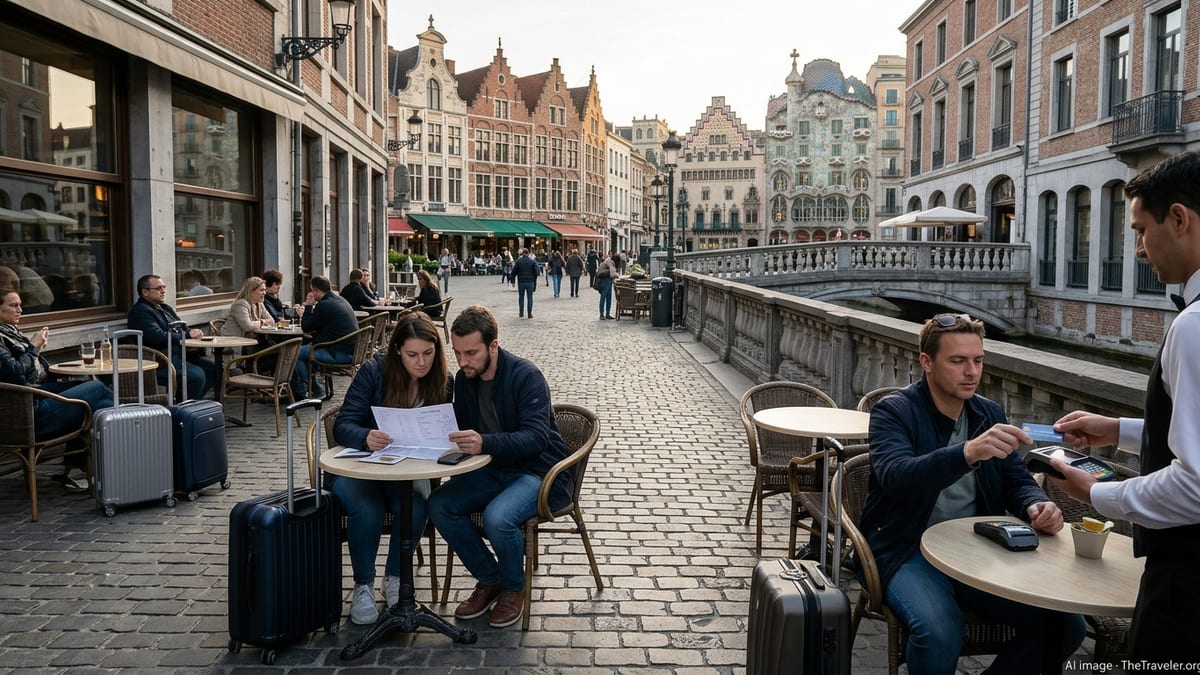
Brussels Aligns With European Trend on Visitor Levies
Belgium is set to play a more visible role in Europe’s tourism tax landscape as Brussels refines how it charges visitors for overnight stays. Publicly available information on accommodation booking conditions for 2026 shows higher city surcharges being built into hotel bills in the capital, bringing Brussels closer into line with other major European hubs that already use destination taxes to support local services.
City taxes have existed in several Belgian municipalities for years, typically charged per person, per night and added at check-out. Industry notices for upcoming conferences and large events indicate that rates of around 4 euros per person per night are becoming standard in Brussels and other major cities, signaling that the country is matching the firmer approach seen elsewhere in Europe on capturing revenue from tourism-related stays.
While the exact structure varies by municipality and accommodation type, the direction of travel is clear: visitors can expect more explicit and sometimes higher nightly surcharges than in the past. Hotel operators are flagging these charges more prominently in room descriptions, which means travelers booking for 2026 are less likely to be surprised by additional local taxes but will need to factor them into their total budget.
Venice Extends Day-Trip Entry Fees to Curb Crowds
Venice continues to refine its controversial charge on day-trippers, a measure that has effectively created an entry fee on peak days. According to widely reported details of the scheme, non-overnight visitors are being asked to pay a variable access fee, generally between 5 and 10 euros, to enter the historic center on selected high-demand dates. The charge, tested in 2024, has been extended and gradually expanded as local authorities look for tools to manage overtourism.
The fee targets day visitors who arrive in large numbers but do not contribute to traditional hotel-based tourist taxes because they do not stay overnight. Published coverage of the pilot phase notes that Venice recorded tens of thousands of day-trippers on busy dates, many arriving from cruise ships or nearby resorts for just a few hours. By charging an access levy, the city aims to capture some of that economic value while also discouraging the most marginal visits.
For 2026, travelers can expect the access fee to be applied on more days across spring and summer, particularly around long weekends and major holidays. The precise calendar is typically confirmed closer to travel dates, but early indications point to a broader use of the tool following the initial trials. The move adds a new cost layer for visitors who previously could enjoy Venice for a day with minimal local charges beyond transport and meals.
Barcelona Braces for Sharp Tourist Tax Increases from April 2026
Barcelona is preparing one of the most significant tourism tax increases in Europe, with legislation approved in Catalonia that will sharply raise levies from 1 April 2026. Regional parliamentary decisions reported in recent weeks show that the tax on stays in tourist accommodation is set to double in much of Catalonia, with Barcelona applying some of the highest banded rates for hotels and holiday rentals.
Analyses of the new framework indicate that nightly levies in Barcelona’s top-end hotels will climb from around 3.50 euros to about 7 euros per person from April 2026, with standard accommodation moving toward a ceiling of roughly 6 euros. These figures exclude the separate municipal surcharge that Barcelona is allowed to apply, which has its own path for gradual increases and could push effective nightly charges even higher in the years that follow.
Local business groups and tourism associations quoted in regional media have warned that the combined impact of the regional tax and the city surcharge could take a five-star hotel’s nightly levy from about 7.50 euros to roughly 12 euros in 2026, with a potential rise toward 15 euros later in the decade if the maximum surcharges are used. Supporters of the increase argue, in published commentary, that booming tourism numbers and record overnight stays in 2025 justify higher contributions to housing policies and urban services.
For travelers, the effect is straightforward: from spring 2026, a city-break stay in Barcelona will carry a noticeably higher line item for local taxes on the final bill, especially at mid-range and upscale properties. While the nominal sums are still modest when spread across a multi-night holiday, they add to a broader trend of rising travel costs in Spain, which has also seen large demonstrations over housing affordability and the impact of tourism on city life.
Bucharest Sets New Hotel Tax as Romania Targets Tourism Revenue
Bucharest is joining the list of European capitals turning to targeted visitor levies, with a new hotel tax of 2 euros per night coming into effect from 2026. Romanian media and specialist tourism outlets report that the measure, approved by the city and central authorities, applies to every tourist who spends the night in the capital’s official accommodation, from budget hotels to higher-end properties.
According to coverage in regional business publications, the new tax is expected to generate millions of euros in extra revenue each year, earmarked in principle for tourism promotion and improvements to the city’s attractiveness as a destination. Bucharest follows other Romanian cities such as Brașov, which already apply local tourist taxes to help fund infrastructure and marketing efforts in competitive domestic and international markets.
Industry representatives in Romania have expressed concern in local press reports that the levy is being introduced without a fully defined action plan or clear performance goals. Some hotel associations warn that, combined with other rising costs, the new tax could make it harder for Bucharest to compete with peer destinations in Central and Eastern Europe on price-sensitive short breaks, particularly outside peak business travel periods.
For visitors, however, the change is relatively simple at the booking stage: the 2-euro-per-night charge is either folded into the advertised rate or added as a discrete item at check-out. Travelers booking for 2026 should pay close attention to how accommodation platforms display local taxes to avoid underestimating the final bill, especially on longer stays where small nightly amounts add up.
What Higher Tourist Taxes Mean for City-Break Budgets in 2026
The changes in Brussels, Venice, Barcelona and Bucharest reflect a wider European shift toward using visitor levies as a permanent tool of urban management rather than a marginal surcharge. While individual rates remain modest on a per-night basis, the cumulative impact across multiple destinations and nights can meaningfully alter the cost of a multi-city itinerary in 2026.
Travel budget scenarios shared by European consumer outlets suggest that for a couple staying three nights each in Barcelona and Bucharest and adding a day trip to Venice, combined tourist taxes and access fees could easily exceed 70 euros, depending on hotel category and dates. For families, the totals rise further, particularly in places where charges apply per person rather than per room. These amounts remain small compared with airfare and core accommodation costs but are no longer negligible extras.
The trend also underscores a policy shift in which city governments and regional authorities look to tourism not only as an economic engine but as a revenue source to address pressures created by its own success, from crowded public spaces to housing affordability. Travelers planning Europe trips for 2026 are increasingly advised, by guidebook updates and travel advisories, to check the latest city-specific taxes, entry fees and seasonal surcharges as part of their pre-departure research rather than relying on past experience.