

More news on this day
Trips to England and the wider UK could soon be noticeably more expensive, as a wave of new visitor levies, tax reforms and higher travel charges begins to reshape the cost of holidays for both overseas tourists and domestic travellers.
Get the latest news straight to your inbox!
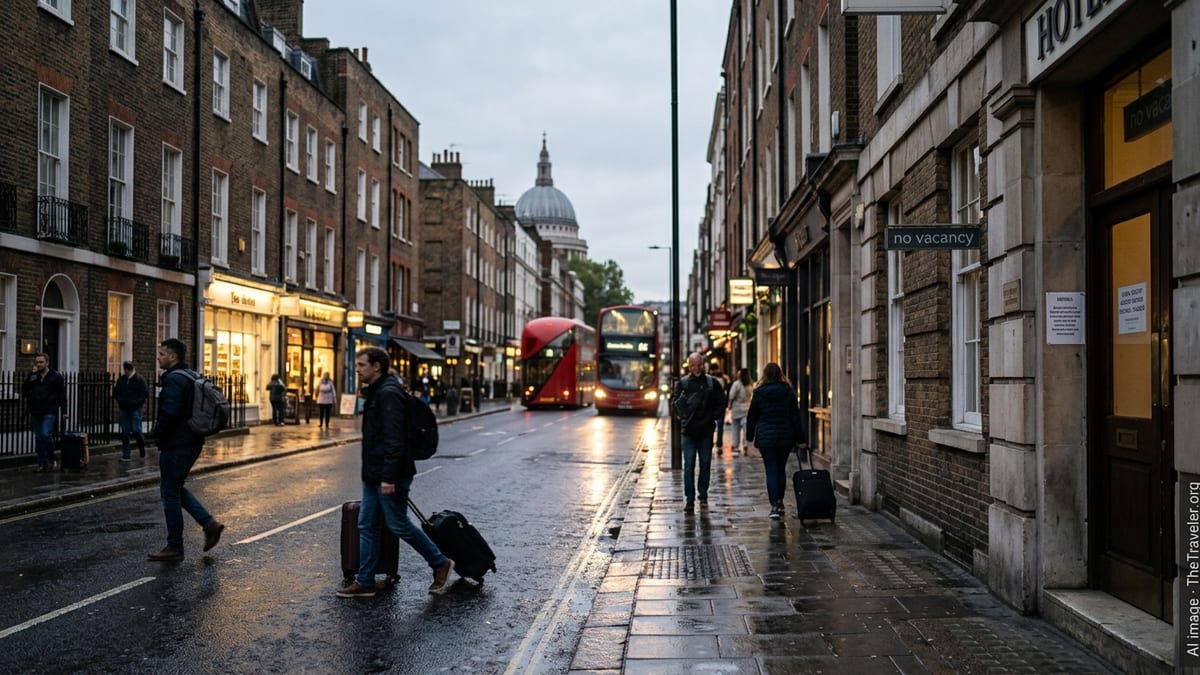
New Visitor Levies Put UK Tourism Under Fresh Scrutiny
While traditional hotel and sales taxes have long been part of the tourism landscape worldwide, the UK is entering a new phase in which dedicated visitor levies are spreading beyond isolated pilot schemes. Edinburgh is scheduled to introduce a 5 per cent transient visitor levy on paid overnight stays from 24 July 2026, with the charge applied to bookings made from autumn 2025. Publicly available information from the city council and Scottish government indicates that the fee will be capped at a set number of consecutive nights and will sit on top of existing accommodation costs, including VAT.
Although Edinburgh lies in Scotland, industry groups see the move as a test case for the rest of the UK. Visitor economy bodies and hotel associations have warned that once the first scheme is operating at scale, it may embolden other destinations, including major English cities, to follow with their own tourist taxes. Analysis by tourism consultancies suggests that revenue-raising potential, combined with ongoing pressure on local authority budgets, is likely to keep visitor levies high on policy agendas.
Manchester already applies a form of visitor charge, currently framed as a small per-night city visitor fee that supports local promotion and events. Travel coverage notes that this model, although modest per person, has helped normalise the principle that short-stay guests can be asked to contribute extra to the cities they visit. As debates over overtourism and public service funding intensify across Europe, observers say the UK appears to be moving closer to the more widespread tourist tax regimes seen in countries such as Spain and Italy.
England’s Big Cities Eye New Powers To Charge Tourists
In England, there is still no nationwide tourist tax, but policy papers and local government documents suggest that the ground is shifting. Recent material from London’s governing authorities describes a potential future tourism levy, which would give the city flexibility to set a rate on overnight stays in hotels and other paid accommodation. Although no rate or start date has yet been confirmed, the fact that a London scheme is being actively explored is seen by analysts as a significant signal for inbound travel to England.
Business groups say that large urban destinations, particularly those grappling with high visitor numbers and stretched infrastructure, view targeted levies as a way to fund everything from street cleaning and transport to cultural events. In practice, such charges are typically collected via hotels, serviced apartments and short-term rentals, appearing either as a distinct line on the bill or folded into nightly prices. For travellers, the effect is the same: the true price of a central London or regional city stay could rise by several percentage points on top of already elevated room rates.
Other English cities are watching developments closely. City leaders in destinations with strong tourism portfolios, particularly those hosting major sporting events, music festivals or heritage attractions, have publicly discussed the idea of visitor taxes in recent years. While no uniform model exists yet, industry commentary suggests that flat per-night fees and percentage-based levies on room cost are the most likely options under consideration, mirroring approaches now being formalised in Scotland.
Flight Duties and Tax Reforms Add To the Price Squeeze
Beyond accommodation, the cost of simply reaching England is influenced by the UK’s Air Passenger Duty, a tax added to fares for departures from UK airports. Published government schedules show that rates have risen in several bands in recent years, with higher charges for long-haul and premium-cabin tickets. For families flying from North America or Asia, this can add a substantial sum to the overall cost of an England holiday, particularly when combined with airline surcharges and seasonal fare spikes.
Travel industry analysts note that while Air Passenger Duty predates the latest wave of tourism levies, its impact is increasingly being felt alongside new destination-specific charges. As visitor taxes proliferate and accommodation rates remain high in key English hubs, the cumulative effect of flight duties, airport fees and potential new local charges is becoming a central concern for tour operators selling UK itineraries.
At the same time, tax changes on furnished holiday lettings are set to alter the economics of short-term rentals across England from April 2025. Treasury documents outline plans to abolish a favourable regime that had allowed qualifying holiday lets to benefit from more generous tax treatment than standard residential rentals. Financial commentators argue that the move will reduce after-tax returns for owners of coastal cottages, city apartments and rural retreats marketed to tourists, and that some landlords may respond by increasing nightly rates to protect margins.
Combined with existing council tax and regulatory costs for short-term accommodation, these reforms could make popular self-catering stays in English seaside towns and national park gateways significantly more expensive in the coming years, particularly at peak travel times.
How Much More Could a UK Trip Really Cost?
For now, the immediate impact on travellers planning 2026 and 2027 holidays is clearest in destinations where schemes are already approved. In Edinburgh, a 5 per cent levy on accommodation means that a hotel room priced at the equivalent of 200 US dollars per night could see an additional 10 dollars per night added for up to several nights, before any further local charges. If similar percentage-based levies are eventually adopted in large English cities, a comparable uplift could apply in London, Manchester or other urban hubs.
Tourism economists stress that these levies rarely act in isolation. Travellers must factor in higher flight taxes on long-haul routes, potential visa costs for some nationalities, and rising service charges in hospitality venues. When calculated across an entire itinerary including flights, accommodation, ground transport and dining, the cumulative increase may represent several hundred dollars on a typical week-long trip for a family or small group.
However, some industry voices argue that visitor fees of a few pounds per night are unlikely to deter most international tourists, particularly those arriving from countries where city taxes are already routine. They point out that local authorities often ring-fence revenue from levies for tourism-related projects, which can improve public transport, cultural venues and urban cleanliness in ways that ultimately enhance the visitor experience and preserve heritage sites.
Price-sensitive segments, including domestic tourists and younger travellers, may feel the squeeze more acutely. Budget-conscious visitors who once relied on low-cost flights and inexpensive short-term rentals to tour England’s cities and countryside may find that previously affordable options edge out of reach, pushing them towards shorter stays or alternative destinations within Europe.
What Travellers Should Watch Before Booking England Holidays
With policy still evolving, travel experts recommend that visitors planning trips to England and the wider UK over the next several years pay attention to the fine print on bookings. Hotels and rental platforms are expected to update their pricing structures as new levies and tax rules take effect, and travellers may see additional lines for visitor charges, environmental fees or city levies added between the time of research and final payment.
Prospective visitors are also being advised to monitor how different destinations choose to implement any future English visitor taxes. Some councils may opt for modest flat nightly fees that add only a small amount to a stay, while others could consider percentage-based charges that rise sharply with room price. For travellers used to comparing headline nightly rates, understanding how these underlying tax structures work will be key to accurately assessing real costs.
As the landscape continues to shift, one constant is that the UK is no longer insulated from the wider European trend towards asking tourists to contribute more directly to the places they visit. For those dreaming of an England getaway in the coming years, the message emerging from policy papers and city hall discussions is clear: the experience may remain as compelling as ever, but the final bill is likely to move higher.