

More news on this day
Recent changes to Hong Kong’s national security rules are prompting fresh cautions for U.S. and Canadian travelers, who are being warned that refusing to unlock phones or disclose passwords could lead to detention or imprisonment in one of the world’s most visited cities.
Get the latest news straight to your inbox!
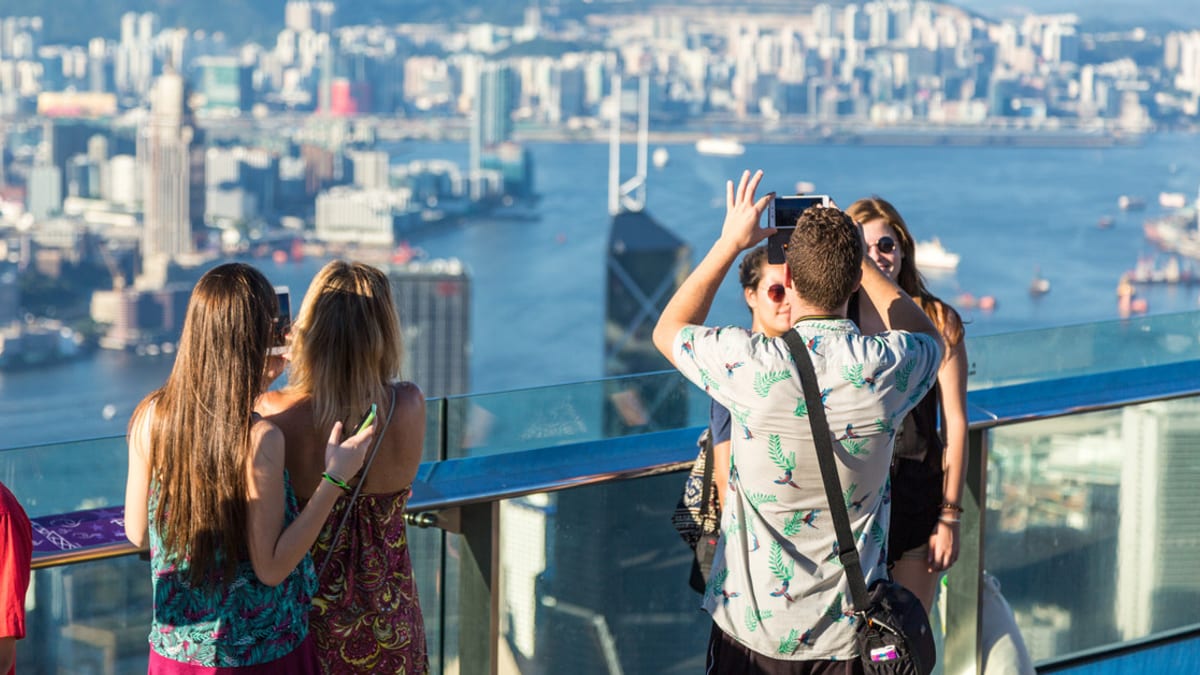
Image by thetravel.com
Updated Security Rules in a Top Global Destination
Hong Kong, consistently ranked among the world’s most visited urban destinations by international tourism analysts, has moved to expand police powers under its National Security Law, triggering new concern among foreign visitors. Travel industry tracking has long placed the city only behind Bangkok in annual international arrivals, making any shift in its security environment highly consequential for global tourism.
According to recent consular alerts and published coverage, local amendments to the city’s national security implementation rules now give law enforcement broader authority to demand access to digital devices. These rules apply not only to residents, but also to visitors and transit passengers passing through Hong Kong International Airport, a major hub for North American travelers heading to Asia and beyond.
The expanded provisions mean that travelers can face criminal penalties if they decline to provide passwords, decryption assistance, or other means of unlocking their devices. Publicly available summaries of the measures indicate that refusal may be treated as an offense in itself, separate from any underlying investigation.
While routine leisure visitors are unlikely to encounter such situations, legal analysts and civil liberties advocates in media reports describe the new framework as a significant escalation in the city’s approach to digital access and national security enforcement.
Phone Passwords and Social Media Under Scrutiny
The latest guidance directed at U.S. citizens highlights that phones, laptops, and tablets may be inspected and that travelers can be compelled to provide passwords or technical assistance to unlock those devices. The message underscores that these powers extend to encrypted content, cloud-based platforms, and social media accounts that can be accessed from the device.
Public advice notes that social media activity, including past posts, comments, or content deemed critical or disruptive to public order, may be examined under the city’s sweeping national security framework. Reports on recent cases elsewhere under similar legislation in the region point to lengthy prison terms for online expression, reinforcing anxiety among travelers about how their digital footprints might be interpreted.
Canadian travel guidance is also drawing attention to the broad investigative reach that foreign authorities may claim over phones and online accounts. Advisories circulated in recent months regarding other destinations have emphasized that even private content, deleted posts, or direct messages can be copied or scrutinized once a device is unlocked.
For North American visitors, this convergence of powers over both passwords and speech has raised questions about what is safe to carry or store on devices when passing through Hong Kong, especially for those who comment publicly on politics, human rights, or regional security issues.
Implications for U.S. and Canadian Travelers
The updated rules arrive at a time when both U.S. and Canadian governments are already encouraging citizens to take greater care with their digital security while abroad. Official travel resources routinely warn that travelers in many jurisdictions have limited privacy rights at borders or during security inspections, and that refusal to comply with device searches can lead to denial of entry, detention, or other penalties.
In the case of Hong Kong, the new provisions underline that noncompliance with demands for passwords or decryption assistance could be prosecuted as a national security violation. Travel risk consultants and legal commentators quoted in recent coverage note that such offenses may carry serious penalties, including potential imprisonment, making the stakes considerably higher than typical customs or immigration checks.
For business travelers, journalists, academics, and others who regularly carry sensitive data, the change complicates routing decisions through one of Asia’s key aviation hubs. Some corporate risk bulletins are advising staff to consider alternative transit points when transporting confidential information that cannot legally or ethically be disclosed to foreign authorities.
Leisure travelers, including those from the United States and Canada visiting Hong Kong as a standalone destination, are being urged by publicly available travel guidance to review their digital habits in advance, particularly if they have engaged online with topics that could be interpreted as politically sensitive under the city’s national security legislation.
Practical Digital-Safety Steps Before Visiting Hong Kong
Security experts and privacy organizations that monitor travel risks recommend a series of practical measures for those who still plan to transit or stay in Hong Kong under the new rules. Common suggestions include minimizing the amount of personal and professional data carried across borders and limiting the number of apps, especially social platforms, installed on devices during travel.
Some published guides encourage the use of temporary or “travel-only” devices configured with minimal information, rather than a primary phone or laptop that holds years of emails, photos, and financial records. This approach can reduce the potential exposure if authorities copy or review data while devices are in their custody.
Specialists also advise travelers to sign out of nonessential accounts, turn off automatic cloud backups, and remove stored credentials for social media or messaging services before departure. While these steps do not eliminate the obligation to provide access if legally compelled, they can limit how much content is immediately available during a search.
North American travelers are additionally reminded in public-facing guidance to familiarize themselves with both the latest consular advisories and their own risk tolerance. Those who are uncomfortable with the possibility that their phones and social media accounts could be examined under national security powers may choose to reroute their journeys through other Asian hubs that do not currently impose similar obligations on visitors.