

More news on this day
Cruise lines are charting a bold new course through Southeast Asia for 2026, unveiling Vietnam and Thailand focused itineraries that promise deeper cultural immersion and more time in port.
Cruise Lines Expand Vietnam–Thailand Itineraries
From ocean-going resorts to boutique ships, major cruise brands are reshaping their Asia schedules around Vietnam and Thailand for the 2026 season. Updated deployment plans highlight sailings that link Bangkok with ports such as Ho Chi Minh City, Nha Trang and Ha Long Bay, frequently packaged with neighboring hubs like Singapore and Kuala Lumpur for longer regional journeys.
New brochures and itinerary collections for 2025 and 2026 show Vietnam and Thailand appearing together on a growing number of multi-country routes, typically lasting from 10 to 24 nights. These sailings often feature late-night or overnight calls in Bangkok’s Laem Chabang terminal and Vietnam’s key gateways, designed to give guests more time on shore and less of the traditional “port-a-day” rush.
Both countries are central to expanded Southeast Asia programs announced by leading premium and contemporary lines. A typical loop might run roundtrip from Singapore or Hong Kong, weaving through Halong Bay, Da Nang, Nha Trang and Ho Chi Minh City before turning toward Thailand’s beach-fringed islands and the capital region.
Industry analysts say the trend reflects steady demand for longer-haul Asia cruises, particularly from North American, European and Australian travelers looking for a single itinerary that captures the highlights of multiple countries without the logistical complexity of independent overland travel.
Holiday Voyages and Longer Grand Journeys
Year-end holidays are emerging as a key driver of the Vietnam–Thailand cruise boom. Lines with homeports in Singapore are promoting Christmas and New Year departures that spend two weeks or more moving between Malaysia, Thailand and Vietnam, often billing these sailings as “festive escape” options that swap winter weather for tropical seas.
Some brands are going further with so-called grand voyages of 20 nights or more that position ships between regional homeports while incorporating both Vietnam and Thailand. These itineraries typically string together UNESCO-listed landscapes such as Ha Long Bay and historic trading ports along Vietnam’s central coast with Thai beach destinations in the Gulf of Thailand and Andaman Sea.
River cruise and tour operators are also capitalizing on the appeal of an overland-and-sea combination. Extended Indochina journeys now commonly include time along the Mekong in Vietnam and Cambodia paired with a city stay in Bangkok, giving guests a contrast between rural river life and one of Asia’s most dynamic capitals.
Travel advisors report growing interest in these longer sailings among repeat cruisers who have already sampled Europe and the Caribbean and are now looking to spend three weeks or more exploring Asia in depth. For many, the combination of Vietnam’s layered history and Thailand’s well-established tourism infrastructure is a compelling draw.
Key Ports: From Ha Long Bay to Bangkok
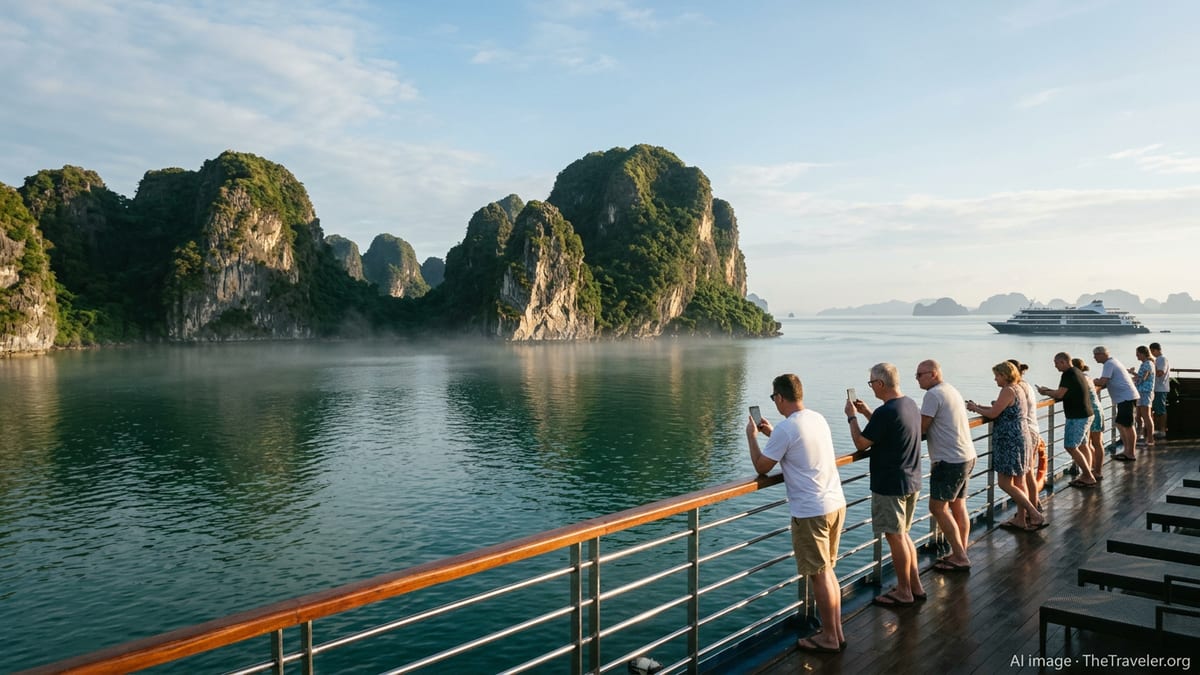
Ha Long Bay, accessed via the port of Cai Lan near Hanoi, has become a near-automatic inclusion on Vietnam–Thailand routes that venture into northern waters. Ships promote the chance for passengers to transfer to smaller vessels that navigate between limestone karsts and fishing villages, positioning the call as a scenic counterpoint to the urban energy of Ho Chi Minh City in the south.
Central Vietnam ports such as Da Nang, gateway to the imperial city of Hue and the heritage town of Hoi An, are increasingly paired with the beach resort of Nha Trang on itineraries heading toward Thailand. These stops give guests a snapshot of Vietnam’s coastal diversity, from lantern-lit riverfront streets to modern seaside promenades.
On the Thai side, Laem Chabang serves as the main cruise gateway to Bangkok, with many lines now scheduling late departures or overnight calls to allow time for temple visits, river cruises and street-food tours. Phuket and other island destinations in the Andaman Sea or Gulf of Thailand frequently round out the picture with snorkeling, beach excursions and resort-style day passes.
Industry planners say these ports are being curated not just for sightseeing, but also for operational reliability. As cruise lines lengthen their Asia seasons, they are increasingly focused on pairing marquee destinations with terminals that can handle larger ships, longer stays and growing passenger volumes.
Operational Shifts Highlight Port Capacity Challenges
The rapid growth in Southeast Asia cruising is putting fresh scrutiny on port capacity and logistics in both Vietnam and Thailand. Recent seasons have seen ships adjust calls at short notice when cargo congestion or berth limitations clash with passenger operations, underscoring the complexity of sharing infrastructure between commercial and tourism traffic.
Itinerary changes this year, including diversions from busy Vietnamese gateways to alternative ports in the region, have highlighted both the vulnerability and flexibility of current schedules. While such last-minute shifts can disappoint guests hoping to tick off specific cities, they also underline the depth of options available in the Gulf of Thailand and surrounding waters.
Port authorities in Vietnam and Thailand are meanwhile investing in terminal upgrades and access roads to better accommodate larger ships and rising passenger numbers. Cruise lines are closely watching these developments as they shape deployment plans for late 2026 and beyond, balancing demand for headline destinations with the practicalities of safe, efficient operations.
Travel experts advise would-be cruisers to read itinerary fine print carefully and understand that ports may change, even as the broader promise of an immersive Vietnam and Thailand journey remains intact. For many travelers, the opportunity to discover an unexpected coastal town or island when plans shift has become part of the region’s appeal.
What Travelers Can Expect Onboard and Ashore
Onboard, the Vietnam and Thailand focused sailings follow wider cruise-industry trends toward more regional flavor, with menus spotlighting pho, fresh seafood and Thai curries alongside familiar international dishes. Enrichment programs often feature lectures on regional history, language basics and responsible behavior at temples and sacred sites.
Ashore, curated excursions in Vietnam range from street-food tours in Ho Chi Minh City’s markets and cycling trips through the countryside to overnight junk-style cruises on Ha Long Bay. In Thailand, classic city highlights such as the Grand Palace and Wat Pho are joined by canal tours, night markets and beach days that emphasize local culture alongside relaxation.
For 2026 departures, pricing and availability vary widely by brand and cabin category, but agents note that early-booking offers and added-value promotions remain common as lines compete for long-haul guests. With more ships than ever combining Vietnam and Thailand in a single itinerary, travelers are likely to find options that match both budget and preferred style of cruising.
As deployment details continue to firm up over the coming months, the emerging picture is clear: the sea bridge between Vietnam and Thailand is set to play a central role in Southeast Asia’s next wave of cruise growth, giving travelers an expansive yet convenient way to explore two of the region’s most compelling destinations in one journey.