

More news on this day
New York City is preparing for what analysts describe as a pivotal year for tourism in 2026, with fresh projections pointing to a surge in visitor numbers, spending and global visibility that could reset the benchmark for urban travel in the United States.
Get the latest news straight to your inbox!
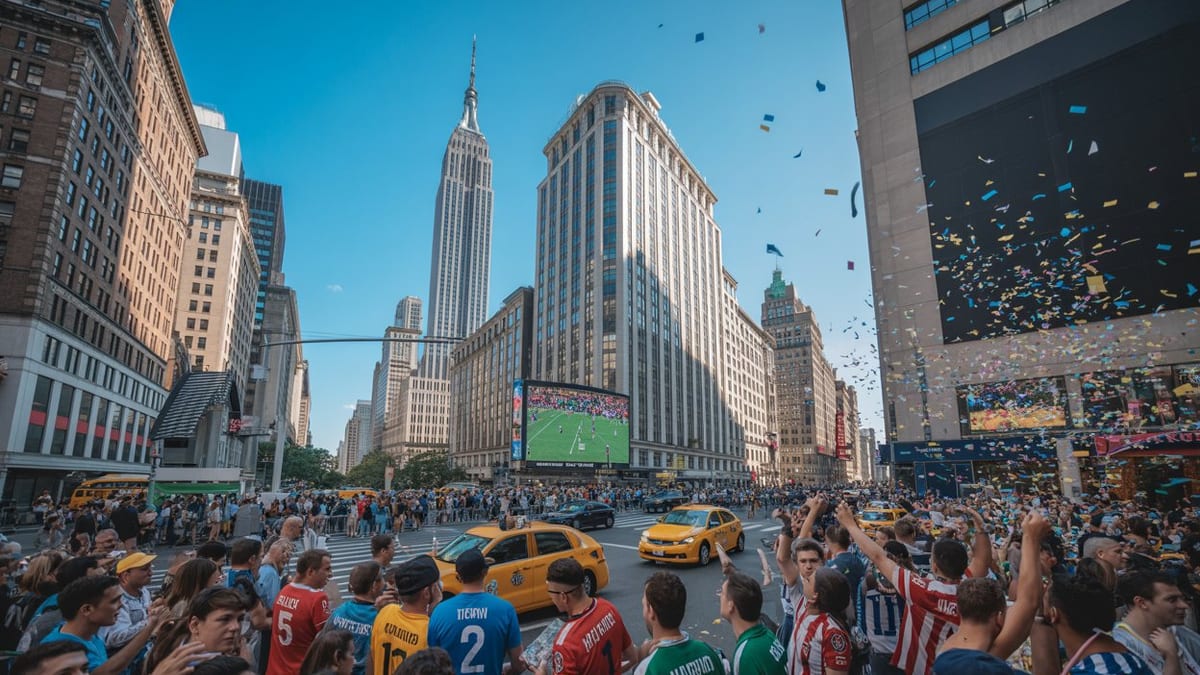
Image by Travel And Tour World
Visitor Numbers Poised to Climb Past Pre‑Pandemic Highs
Recent travel and economic outlooks suggest that New York City is on track for another step‑change in tourism in 2026. City budget documents drawing on figures from New York City Tourism + Conventions indicate that the destination welcomed roughly 64 to 65 million visitors in 2024, and is expected to edge higher in 2025. Forecasts now point to about 66 million visitors in 2026, a level that would narrow the gap with the city’s 2019 record while setting a new high for the post‑pandemic era.
The anticipated increase is part of a broader rebound in U.S. travel. National estimates from federal and industry sources show international arrivals to the United States are expected to exceed 2019 levels in 2026, following a softer patch in 2025. New York City, as the country’s most prominent gateway, typically captures an outsized share of this traffic, benefiting from dense air connections, marquee attractions across the five boroughs and a hotel inventory that has been steadily expanding again.
City economic reports also underscore how central tourism has become to New York’s jobs and tax base. Leisure and hospitality employment has been recovering alongside visitor demand, and tourism‑related spending delivered tens of billions of dollars to the local economy in 2023 and 2024. The expectation is that 2026 will extend that trajectory, helped by a calendar of events that skews more global than at any time in the past decade.
World Cup Spotlight Turns Region into a Global Stage
The single most visible catalyst for the 2026 surge is the FIFA World Cup, which will be staged across North America from June 11 to July 19. The New York New Jersey host cluster, centered on MetLife Stadium in East Rutherford, has secured one of the tournament’s most coveted roles, with a slate of high‑profile matches culminating in the final scheduled for July 19, 2026.
An economic impact analysis commissioned for the New York New Jersey host committee and summarized in recent public documents projects roughly 3.3 billion dollars in total economic benefit for the bi‑state region from the tournament. Tourism Economics, a travel data firm whose findings have been widely cited in national coverage, has pointed to billions of dollars in additional visitor spending across U.S. host cities, with New York New Jersey among the biggest projected winners.
While MetLife Stadium sits across the Hudson River in New Jersey, New York City’s role as the area’s primary international gateway means many supporters are expected to stay, dine and shop in the five boroughs. Airlines have already begun positioning additional capacity into the region’s airports around tournament dates, and hospitality analysts tracking hotel and short‑term rental patterns report that pricing for key match periods in and around the city is running well above typical summer levels.
Local planning documents indicate that the World Cup will be accompanied by a network of fan zones and branded experiences across both states, including sites in Queens and Manhattan that are expected to funnel spectators into nearby neighborhoods and transit hubs. Even with recent adjustments to specific festival locations, authorities on both sides of the Hudson are banking on weeks of global media exposure and a surge of first‑time visitors who may return in later years.
International Travel Recovery Repositions NYC as a Gateway
Beyond the World Cup, 2026 is expected to mark a turning point for international tourism to the United States after a period of volatility. Forecasts from the National Travel and Tourism Office show overseas arrivals climbing again in 2026 and surpassing the country’s 2019 total, reversing earlier downward revisions that had pointed to weakness in 2025.
New York City’s tourism agency has framed international markets as a critical growth engine in its recent annual reports, noting that foreign visitors typically stay longer and spend more per trip than domestic travelers. In pre‑pandemic years, international guests accounted for a smaller share of total arrivals but a significantly larger share of tourism spending. As long‑haul air routes are restored and new services are added, industry observers expect New York’s global reach to widen further.
That recovery is being supported by heavy investment in aviation infrastructure across the region. The ongoing transformation of terminals at John F. Kennedy International Airport, the completed overhaul of LaGuardia and upgrades at Newark Liberty are collectively designed to streamline passenger flows and improve the first impressions of arriving visitors. Air service announcements over the past year have highlighted additional capacity on transatlantic and Latin American routes in particular, markets where interest in both New York and the World Cup is strong.
At the same time, travel analysts point out that international demand for U.S. destinations is not evenly distributed. Shifts in exchange rates, changing perceptions of the United States and localized economic pressures in source markets have weighed on some segments, particularly in parts of Europe and Canada. New York’s challenge in 2026 will be to capture a larger slice of those visitors who do decide to cross the Atlantic or the border, using its mix of culture, sports and major events as a differentiator.
Events, Culture and Meetings Add to the Momentum
Layered onto the World Cup and the broader international rebound is a dense schedule of conventions, trade shows and cultural programming that is expected to keep New York’s visitor economy busy well before and after the final whistle at MetLife Stadium. New York City Tourism + Conventions has reported more than one thousand meetings and events already booked through the latter half of the decade, with 2026 shaping up as a particularly active year.
Large‑scale gatherings at the Javits Center, Madison Square Garden and other venues are projected to draw business travelers, exhibitors and media from around the world. Industry coverage notes that corporate interest in in‑person events has strengthened compared with the early pandemic recovery period, with hybrid formats increasingly supplemented by fully on‑site conferences. For hotels and restaurants, these midweek peaks can be as important as the leisure crowds that fill rooms on weekends.
New York’s cultural institutions are also positioning 2026 as a showcase year. Major museums, performing arts organizations and neighborhood festivals have begun aligning programming around global themes, anniversaries and cross‑city collaborations that can be promoted to both domestic and international audiences. This activity is intended to disperse visitors more widely across the five boroughs, easing pressure on traditional hotspots while directing spending into smaller venues and local businesses.
The city’s tourism strategy emphasizes the importance of year‑round demand, and analysts expect that the concentration of high‑profile events in 2026 will have spillover effects on shoulder seasons. Travelers planning World Cup trips may be encouraged by package offers to extend stays before or after match days, while repeat visitors could be drawn back later in the year for different cultural or business experiences.
Opportunities and Strains for the Urban Tourism Model
The anticipated surge is not without complications. New York’s tourism and economic reports acknowledge that strong demand places new strain on housing, transit and public services. Short‑term rental regulations in the city have tightened in recent years, and those rules are being closely watched ahead of 2026 to curb illegal listings while ensuring enough legal accommodation to meet peak crowd levels.
Transportation networks will also be tested as tens of thousands of visitors move daily between airports, Manhattan, outer‑borough neighborhoods and World Cup venues across the river. Regional agencies have been advancing capacity upgrades on commuter rail, subway connections and bus networks, though rider advocates continue to raise concerns about congestion and reliability during major events.
There is also an environmental dimension to the 2026 tourism spike. International travel and large sporting events add to carbon emissions, and sustainability campaigners have urged both city planners and tournament organizers to expand mitigation measures. Publicly available planning documents reference commitments around greener operations, public transit promotion and community engagement, though the real impact will depend on execution.
Even with these pressures, analysts view 2026 as a milestone year that could redefine how New York balances its global brand with the needs of residents. If the city can channel heightened attention from the World Cup and revived international travel into longer‑term investment, repeat visitation and more equitable distribution of tourism benefits, the explosive surge many forecasters anticipate may serve as a foundation for the next chapter of urban travel rather than a one‑off peak.