

More news on this day
New York is stepping up its tourism investment with a new wave of grants and incentive programs for events, festivals and cultural attractions, joining states such as Colorado, Florida, Washington and Illinois in using targeted funding to drive heritage and local travel across the Americas.
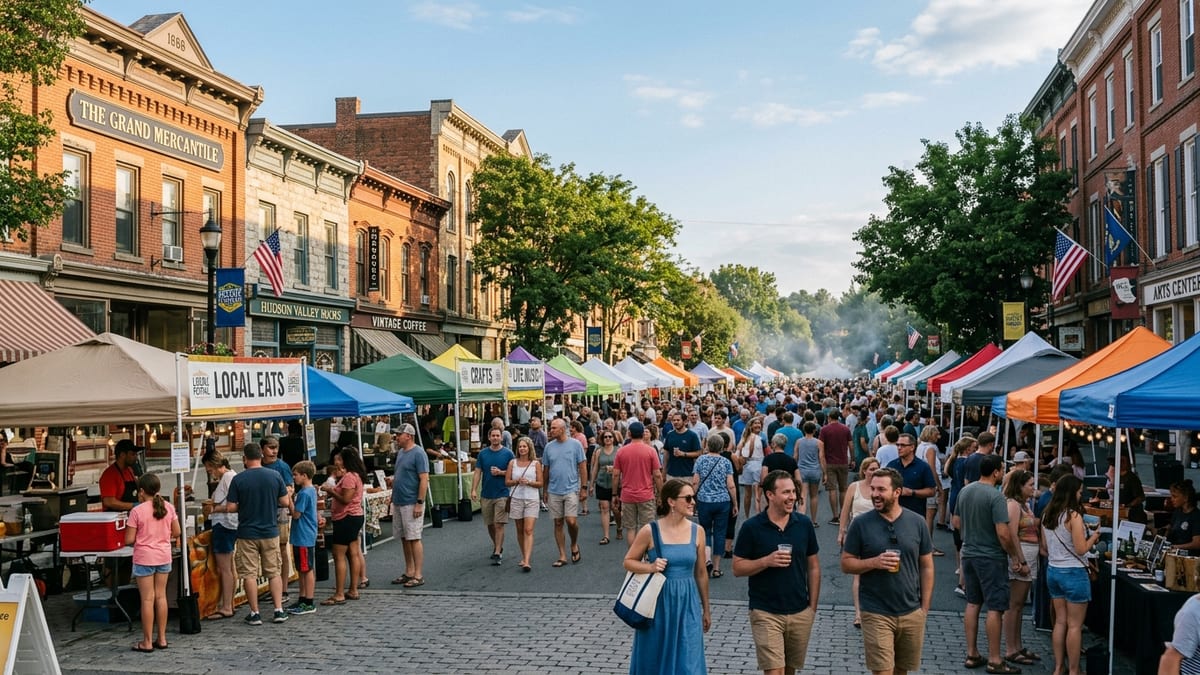
New York Unveils Fresh Funding to Promote Events and Destinations
New York is sharpening its focus on events and destination marketing through a series of grant initiatives aimed at boosting visitation and spending in 2025 and 2026. Publicly available information from Empire State Development shows that the long-running Market New York Tourism Grant Program is entering a new round with up to 7 million dollars available for the 2025–2026 fiscal year to support tourism marketing, attraction development and special events across the state.
The Market New York program is designed to strengthen tourism by promoting destinations, attractions and unique events, with particular attention to projects that can attract overnight visitors and generate measurable economic impact. Recent program materials highlight support for everything from outdoor festivals and live arts events to heritage trails and multi-day regional celebrations that encourage visitors to explore beyond major urban centers.
Alongside Market New York, the state is maintaining a separate Tourism Matching Funds Program, which provides more than 3.4 million dollars in 2025 for partnerships with county and regional tourism promotion agencies. Those funds are typically directed toward campaigns that market local festivals, cultural experiences and seasonal events, helping smaller communities package their offerings for regional and international audiences.
New York is also continuing the Meet in New York Grant Program, first introduced in the recovery period following the pandemic. The initiative offsets a portion of costs for conferences, trade shows and business events, with eligible gatherings required to be held by the end of 2025. While targeted to meetings and conventions, program documents emphasize that these events are expected to drive wider tourism activity including hotel stays, dining, performances and visits to local attractions.
Heritage, Fairs and Local Festivals Take Center Stage
New York’s latest tourism support is closely aligned with heritage travel and local cultural experiences, echoing similar priorities in other states. State agriculture and tourism agencies have introduced grants that specifically encourage attendance at county and local fairs, framed as venues that showcase agricultural traditions, regional foodways and community history. One competitive program supports transportation for youth to attend fairs, while a separate promotional campaign uses advertising and passport-style incentives to raise awareness of local fairgrounds as destinations.
At the county level, New York jurisdictions are deploying hotel occupancy tax revenues to sustain and expand festivals. Program guidelines from Tompkins County, for example, show tourism advancement grants backing initiatives such as outdoor theater, heritage walks, museum exhibits and seasonal festivals scheduled during shoulder periods when local accommodation providers have capacity. These funds are intended to draw new visitors while deepening residents’ engagement with local culture.
Major statewide initiatives are also reshaping the physical and experiential landscape for visitors. In Rochester, the long-term Roc the Riverway waterfront revitalization effort has attracted more than 100 million dollars in state support and significant private investment. While not a festival grant per se, the initiative is framed as a tourism and placemaking project that will create new spaces for events, riverfront programming and cultural gatherings, reinforcing New York’s broader strategy of linking infrastructure with experiential tourism.
New York’s I LOVE NY campaign, refreshed for summer 2025, is amplifying these investments by taking a mobile experience to music festivals, street fairs and sporting events across key markets. The campaign’s on-the-road presence is promoting state attractions and encouraging visitors to plan trips around events, festivals and seasonal celebrations, effectively turning individual gatherings into gateways for wider exploration.
Colorado, Florida, Washington and Illinois Expand Event-Focused Grants
Across the United States, other states are intensifying similar efforts to harness festivals and heritage events as tourism engines. In Colorado, recent tourism strategies have featured grant programs aimed at outdoor recreation, cultural heritage and signature events in mountain towns and rural regions, often supported by lodging tax revenues and federal recovery funds. These grants are typically awarded to local organizations that can demonstrate regional draw and economic impact, helping communities scale up festivals that celebrate local history, food and outdoor lifestyles.
Florida continues to use a mix of state-level tourism promotion funding and local grants to support a dense calendar of events, from coastal seafood festivals and heritage celebrations in historic districts to sports tournaments that anchor shoulder-season visitation. County-level tourism development councils frequently allocate grants for event marketing, with an emphasis on driving overnight stays and promoting attractions beyond the most visited beach corridors.
In Washington State, industry materials highlight a conference and festivals grant stream that supports tourism-related gatherings including arts festivals, heritage events and museum programming. One presentation from the state tourism office describes a competitive process with a maximum request cap of 30,000 dollars, oriented toward projects that can demonstrate their capacity to attract out-of-area visitors and generate media exposure for Washington destinations.
Illinois has likewise leaned on tourism grant rounds that channel millions of dollars to local tourism organizations and municipalities. State news releases describe funding for events and festivals that highlight history, culture and community identity, including living history weekends, heritage parades and downtown cultural series. These grants are promoted as tools not only to increase visitor spending, but also to reinforce local pride and preserve historic sites and stories.
Federal Support and Local Tax Revenues Underpin the Trend
The expansion of event-focused tourism grants at the state level is also tied to broader shifts in U.S. tourism funding. The U.S. Economic Development Administration’s Travel, Tourism and Outdoor Recreation program, backed by 750 million dollars in American Rescue Plan funds, has provided a key boost for states and regions seeking to rebuild tourism infrastructure, design new destination experiences and market local events. Award documents show that grants have supported a range of projects, including trail networks, visitor centers and cultural venues that host festivals and heritage programming.
States including New York have layered this federal support onto long-standing state grant mechanisms, creating a multi-tiered funding environment for local tourism projects. In New York’s case, an EDA grant dedicated to travel, tourism and outdoor recreation has been used in part to promote events such as bicentennial paddling festivals and multi-day regional celebrations, illustrating how federal recovery dollars are being channeled into experiential offerings that attract visitors while marking local history.
At the local level, lodging and hotel occupancy taxes remain a primary source of tourism grant funding. Counties and cities across the country, from New York to Washington and Virginia, use these revenues to run competitive grant cycles for festivals, sports events, arts programs and cultural experiences. Application guidelines typically prioritize projects occurring during off-peak seasons, aiming to smooth visitor demand throughout the year and support year-round employment in hospitality and cultural sectors.
Tourism observers note that this alignment of federal, state and local funding can create a multiplier effect, with modest grants enabling communities to test new event concepts, expand existing festivals or invest in marketing that reaches new audiences. In many cases, successful pilot events supported by grants are then able to attract sponsorships, ticket revenue and additional public funding for future editions.
Heritage and Local Travel in the Americas Gain Momentum
The surge in U.S. tourism grant activity is contributing to a wider trend across the Americas, where destinations are emphasizing heritage, community narratives and local experiences as key differentiators. By investing in festivals that celebrate Indigenous cultures, immigrant histories, regional cuisines and historic main streets, states are responding to traveler demand for authentic, place-based experiences rather than generic attractions.
Event calendars in states such as New York, Colorado, Florida, Washington and Illinois now feature a growing mix of music festivals, agricultural fairs, riverfront celebrations and arts walks that invite visitors to explore neighborhoods and small towns. Many of these events are marketed as gateways to nearby trails, wineries, heritage sites and outdoor recreation areas, encouraging travelers to extend stays and disperse spending beyond central urban cores.
The latest grant rounds and program updates suggest that this model is likely to continue through 2025 and into 2026, as states track the economic returns from festival-driven travel and adjust their strategies accordingly. With new funding windows opening in New York and other states, local organizers across the Americas are positioning their events not only as cultural highlights, but as central pillars of regional tourism economies.