

More news on this day
Some of America’s most iconic destinations, from the neon canyons of the Las Vegas Strip to the trails of Great Smoky Mountains National Park, are wrestling with visitor numbers so large that popular areas are buckling under the strain even as some regions record slight overall declines.
Get the latest news straight to your inbox!
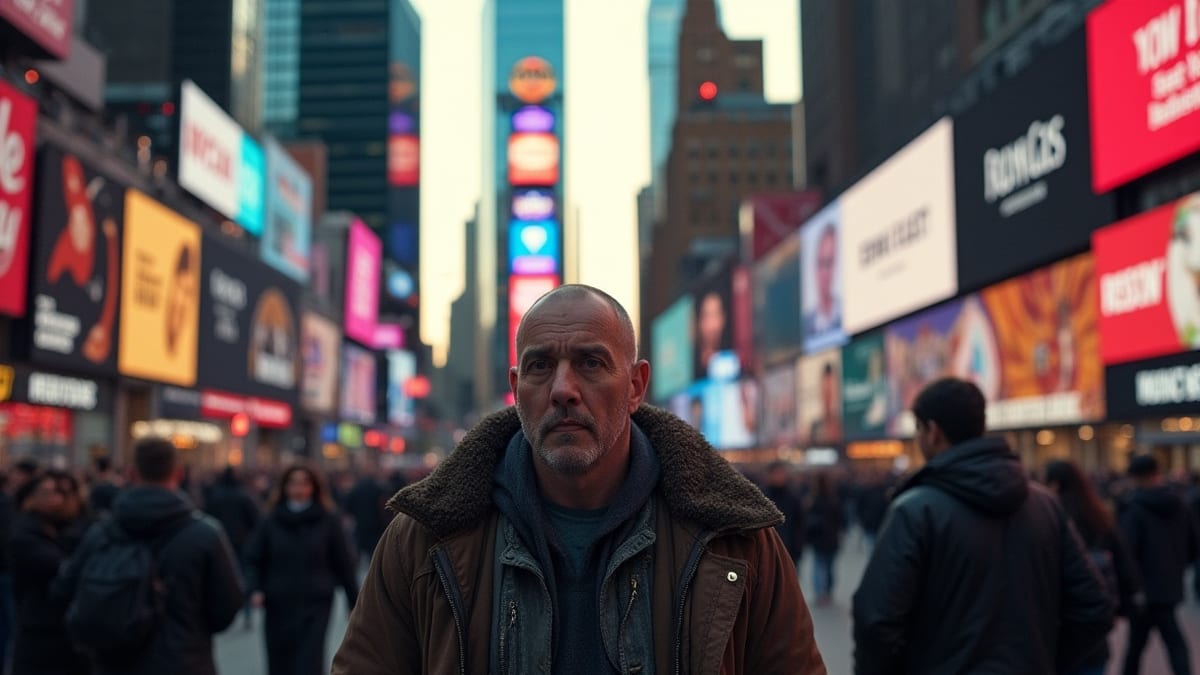
Image by Global Travel Alerts, Advisories, International Travel Alerts
Record Foot Traffic Turns New York City Hotspots Into Pressure Cookers
New York City’s tourism rebound is colliding with already dense urban life, creating crowded bottlenecks in Midtown and Lower Manhattan. Publicly available data compiled by city agencies and tourism boards indicates that overall visitation has returned to, and in some pockets exceeded, pre‑pandemic norms, even as spending patterns shift. Times Square alone is estimated to draw around 360,000 pedestrians on an average day, or more than 130 million people a year, making it one of the busiest urban crossroads on the planet.
Recent analyses of mobility data show that New York’s core business districts collectively host tens of millions of visitors in a typical month, many of them leisure travelers clustering around a handful of marquee sights such as Central Park, the Brooklyn Bridge and the High Line. Observers note that this concentration is intensifying crowding at specific hours and locations, even as some neighborhoods elsewhere in the city remain relatively calm. The result is what urban planners describe as “hyper‑congestion” in tourist corridors, with packed sidewalks, long queues for attractions and mounting frustration among workers who share the same space.
Policy shifts are starting to reshape these patterns. Congestion pricing in Manhattan, framed primarily as a traffic and climate measure, is also being watched as an unintended tourism tool that could nudge some visitors onto public transit and away from private cars and tour buses. Reports indicate that some hospitality businesses already sense a cooling in high‑spending international visitors, even while headline footfall remains enormous. For residents, however, the daily experience in hubs like Times Square and around major museums still feels like navigating a year‑round peak season.
Las Vegas: Fewer Visitors, But Crowding Still Feels Intense
In Las Vegas, a different paradox is unfolding. Visitor statistics compiled by the Las Vegas Convention and Visitors Authority and industry analysts point to a notable downturn in 2025 after banner years in 2023 and 2024, when about 41.7 million people came to the city and gaming revenue on the Strip hit new highs. More recent tallies suggest that total visitor volume in the first half of 2025 fell between 6 and 11 percent compared with the previous year, with particular weakness in international travel and convention attendance.
Yet on the ground, crowding in the most popular stretches of the Strip can still feel overwhelming. Analysts attribute this to the way visitor activity is clustering into shorter, high‑profile periods built around major sports events, concerts and festivals. Even with a smaller annual headcount, mega‑weekends anchored by headline residencies or championship games pack sidewalks, hotel lobbies and rideshare queues, creating the perception of a city perpetually on the brink of gridlock.
At the same time, the city’s long‑running strategy of building bigger casinos, larger arenas and denser entertainment districts is contributing to a sense of compression. Expanded resorts, pedestrian bridges, digital billboards and tightly programmed plazas are designed to keep people circulating in a relatively small area of the Strip. Travel commentators argue that this model amplifies the feeling of overcrowding, as visitors spend more time in heavily engineered “experience zones” rather than dispersing to quieter corners of the metro area.
Economic headwinds are also reshaping how overtourism plays out in Las Vegas. With hotel occupancy and room rates coming off their peaks, operators are weighing how to maintain profitability without returning to the promotional tactics that once flooded the city with bargain‑seeking visitors. Some industry watchers suggest the Strip is entering a new phase in which slightly lower numbers, but more concentrated and higher‑spending crowds, define the rhythm of the destination.
Honolulu and Waikiki Grapple With Island Overtourism
Honolulu, and particularly the beachfront neighborhood of Waikiki, has become central to the United States’ overtourism debate. Hawaii’s state tourism data shows that annual arrivals to the islands rebounded sharply after the pandemic, with Oahu continuing to capture the largest share. Visitor counts at or near record levels are intersecting with housing pressures, climate worries and cultural concerns, creating a complex political backdrop for policies intended to manage tourism’s footprint.
Local news coverage in recent months has detailed a steady drumbeat of efforts to rein in numbers or reshape visitor behavior. These include higher transient accommodation taxes, proposals to regulate or restrict short‑term rentals in residential neighborhoods and visitor fees for access to fragile natural sites. In Waikiki, where hotel towers press close to the shoreline, crowding on sidewalks, beaches and major shopping avenues has become a focal point in arguments about how much tourism is too much.
Residents have increasingly voiced frustration with traffic congestion, packed beaches and strain on parks and trails in and around Honolulu. Environmental groups warn that heavy daily usage of coastal areas and hiking routes is accelerating erosion and habitat damage. Travel analysts note that the island’s limited land area and reliance on a small number of major roads leave little slack in the system, so spikes in arrivals around holidays and school breaks quickly translate into gridlock and overfull public spaces.
Tourism advocates counter that the sector remains a critical pillar of the state economy, and they argue that the solution lies in “higher value, lower impact” visitation rather than simple volume cuts. That approach hinges on steering tourists away from a short list of iconic beaches and lookouts and toward lesser‑known cultural and natural attractions, a strategy that may ease pressure on Waikiki and other hotspots but requires sustained investment and messaging.
Great Smoky Mountains: America’s Most Visited Park Feels the Squeeze
Far from the bright lights of Manhattan and the Strip, Great Smoky Mountains National Park continues to exemplify overtourism in the American outdoors. National Park Service figures and independent analysis show that the park remained the most visited in the United States in 2025, drawing roughly 11.5 million recreation visits. Although that was slightly below recent peaks and came amid a modest overall decline in national park visits, the totals still dwarf those of most other protected areas.
The geography and infrastructure of the Smokies magnify crowding pressures. Many of the park’s most popular viewpoints, waterfalls and trailheads are accessed from just a few main roads, with limited parking and narrow two‑lane routes winding through steep terrain. Travel reports from recent peak seasons describe long lines of cars at entrance corridors, full parking lots by mid‑morning and heavy foot traffic on headline trails, particularly near gateways such as Gatlinburg and Cherokee.
Over the past two years, the park has experimented with reservations and parking fees in high‑demand areas, sparking debate across nearby communities that rely on tourism for jobs and tax revenue. Outdoor advocates warn that unmanaged visitation not only erodes trails and disturbs wildlife but also erodes the visitor experience, as newcomers who encounter wall‑to‑wall crowds may be less inclined to support conservation funding in the future.
Despite a small drop in overall numbers since a pandemic‑era surge, the Smokies’ position at the top of the national park visitation rankings underscores the challenge of reconciling mass access with ecological limits. Analysts say the park has become a case study in how limited infrastructure and a social media‑driven focus on “must see” spots can transform a vast natural landscape into a handful of overcrowded havens.
Rethinking How Visitors Are Managed Across U.S. Hotspots
Taken together, New York City, Las Vegas, Honolulu and Great Smoky Mountains illustrate how different forms of overtourism are converging across the United States. In each case, the issue is less about absolute visitor numbers than about timing, concentration and the capacity of streets, transit systems and trails to absorb repeated surges. Even where recent statistics show slight softening in totals, peak‑period pressure in specific districts or attractions continues to rise.
Destination managers and policymakers are increasingly looking to a shared toolbox that includes timed entry systems, congestion and parking charges, dynamic pricing for accommodations and concerted efforts to disperse visitors across seasons and lesser‑known neighborhoods. Publicly available planning documents from cities and parks show growing interest in using real‑time data to redirect crowds away from saturated blocks and trailheads, an approach that gained momentum during the pandemic and is now being refined.
For travelers, the new reality at these marquee destinations may mean more advance planning, higher costs at the most iconic spots and greater incentives to explore beyond the usual postcard scenes. For host communities, the debate is shifting from how to attract more visitors to how to define an acceptable level of tourism and then enforce it. As overtourism flashpoints spread from urban plazas to mountain valleys, the contest over who gets to enjoy America’s overcrowded havens, and on what terms, is likely to sharpen in the seasons ahead.