

More news on this day
New Zealand’s tourism sector is confronting a fresh wave of disruption in early 2026 as global safety concerns, airspace tensions and higher operating costs trigger flight cancellations and weaken international forward bookings to the South Pacific destination.
Get the latest news straight to your inbox!
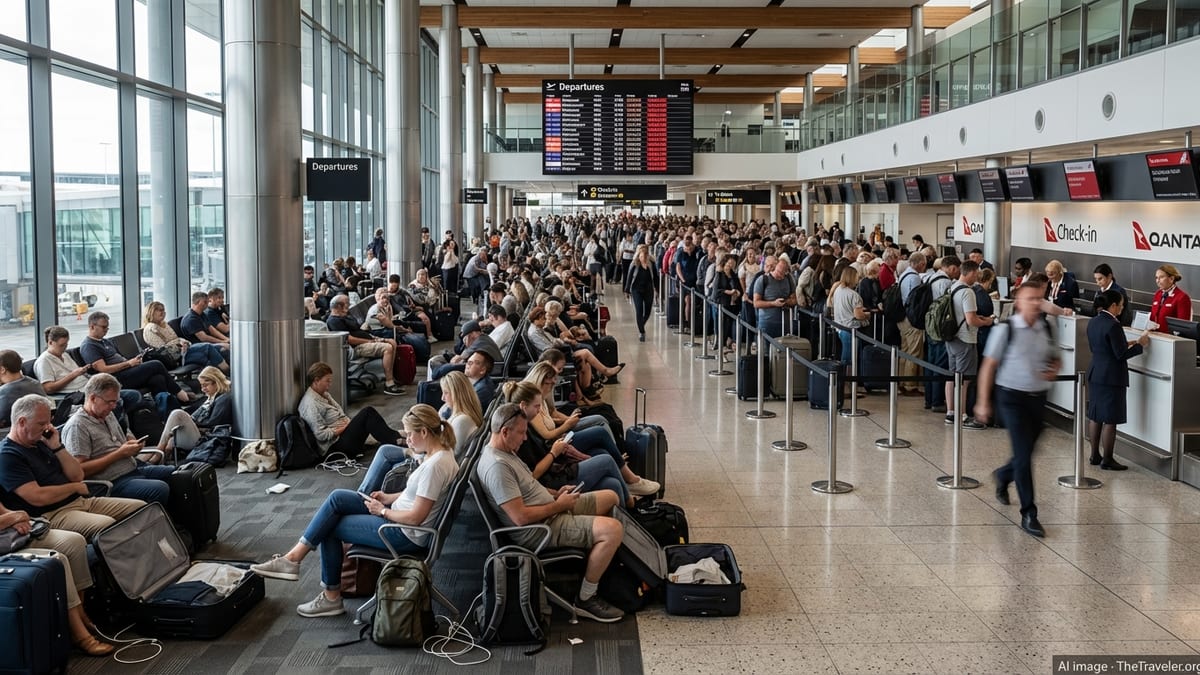
Global Security Turmoil Disrupts Long-Haul Routes
Reports from aviation and travel industry outlets indicate that intensified conflict in the Middle East and surrounding regions has led to thousands of flight cancellations worldwide, with ripple effects reaching long-haul markets such as New Zealand. Analysts note that the closure or restriction of key air corridors has prompted airlines to reroute, reduce capacity or temporarily suspend services on some multi-stop itineraries connecting Europe and parts of Asia to the South Pacific.
Middle Eastern and Gulf hubs, which act as critical waypoints for travellers from Europe, Africa and parts of Asia heading to New Zealand, have experienced heightened disruption. As carriers adjust schedules or consolidate services through alternative hubs, travellers have faced longer journey times, extra connections and, in some cases, the cancellation of previously ticketed itineraries. This has created additional uncertainty for holidaymakers and tour operators planning trips for the 2026 peak seasons.
Publicly available analyses of global flight data show that these disruptions coincide with a sharp spike in cancellations in late February and March 2026. While New Zealand’s domestic network remains largely stable, the fragility of long-haul connections has reinforced concerns among tourism businesses that are heavily reliant on predictable, year-round international air access.
New Zealand Officials Highlight Ongoing Travel Disruptions
Government agencies in New Zealand have acknowledged that international travel to and from the country is being affected by the situation in the Middle East and other geopolitical flashpoints. Public advisories issued in early March drew attention to cancellations and delays on routes transiting major offshore hubs, and provided guidance for temporary visa holders and visitors who find themselves unable to depart as planned.
These notices underscore that some travellers in New Zealand, particularly those scheduled to return home via disrupted corridors, may need to alter itineraries at short notice. While airlines and travel agents remain responsible for rebooking and refunds, the official information reflects an environment of elevated uncertainty for people relying on complex, multi-leg journeys.
Industry commentators say such advisories tend to heighten public awareness of risk and can influence perceptions of long-haul travel safety and reliability. Although New Zealand itself is not the locus of the security tensions, its distance from major source markets and dependence on long-haul flights magnify the impact of disruptions occurring thousands of kilometres away.
Forward Bookings Soften as Travellers Reassess Risk
Travel trade publications and regional tourism updates suggest that forward bookings to New Zealand for late 2026 have begun to soften, particularly from some European and Asian markets that are more exposed to disrupted transit routes and higher long-haul fares. Tour wholesalers have reportedly observed a cooling of inquiry volumes for itineraries that involve multiple connections or routings through conflict-adjacent regions.
At the same time, some market intelligence points to travellers favouring shorter-haul or non-stop options perceived as less vulnerable to geopolitical events. This shift has the potential to divert would-be long-haul visitors away from New Zealand in the near term, even as overall global tourism demand remains relatively robust in established regional corridors.
New Zealand tourism analysts had previously forecast a gradual climb back to, and eventually beyond, pre-pandemic arrival levels by the mid-2020s. Those projections already factored in economic headwinds and cost pressures. The added overlay of global safety concerns and airspace instability introduces new downside risks, particularly if airlines maintain reduced frequencies on certain long-haul routes into 2027.
Capacity, Costs and Airline Strategy Under Pressure
Aviation market commentary indicates that airline planners serving New Zealand are reassessing capacity in light of higher fuel costs, extended flight times around restricted airspace and fluctuating demand. Long-haul services are especially sensitive to fuel price spikes and route inefficiencies, and some carriers are reported to be trimming marginal frequencies or pausing planned expansions to secondary New Zealand gateways.
Analysts note that while core trunk routes from Australia and North America remain comparatively resilient, indirect traffic from Europe and parts of Asia can be more quickly affected by schedule changes at intermediary hubs. When combined with ongoing labour and maintenance cost pressures, these factors may make airlines more cautious about committing additional seats into longer, lower-yield segments.
Higher operating costs are ultimately feeding through to airfares, reinforcing perceptions that New Zealand is an expensive and logistically complex destination for long-haul leisure travel. Travel trade feedback suggests that some potential visitors are deferring trips or shortening itineraries in response, which in turn affects revenue forecasts for airlines, hotels and tour operators across the country.
Tourism Sector Balances Resilience With New Uncertainty
Despite the current challenges, recent economic and tourism performance data show that New Zealand entered 2026 with a solid base of international demand. Arrivals from key markets such as Australia, China and the United States had been trending upward through late 2025, and regional visitor industry reports highlight strong event-driven travel and improving hotel performance in several cities.
However, sector commentators warn that the latest wave of safety-related disruptions could slow or temporarily reverse some of that momentum. Operators who had invested for continued recovery now face a planning environment shaped by volatile air access, uneven demand across markets and a more risk-aware global traveller.
Tourism businesses are responding by diversifying source markets where possible, refocusing on near-shore visitors, and working with trade partners to provide clearer information on routing options and travel insurance coverage. Many are also watching airline schedules closely for signs of further cancellations or capacity adjustments that could affect the coming high seasons.
With global security conditions still fluid, New Zealand’s tourism outlook for the remainder of 2026 will likely depend on how quickly long-haul air networks stabilise and whether traveller confidence in complex international itineraries can be restored. For now, the country’s position at the end of some of the world’s longest air routes remains both a defining strength and a growing vulnerability.