

More news on this day
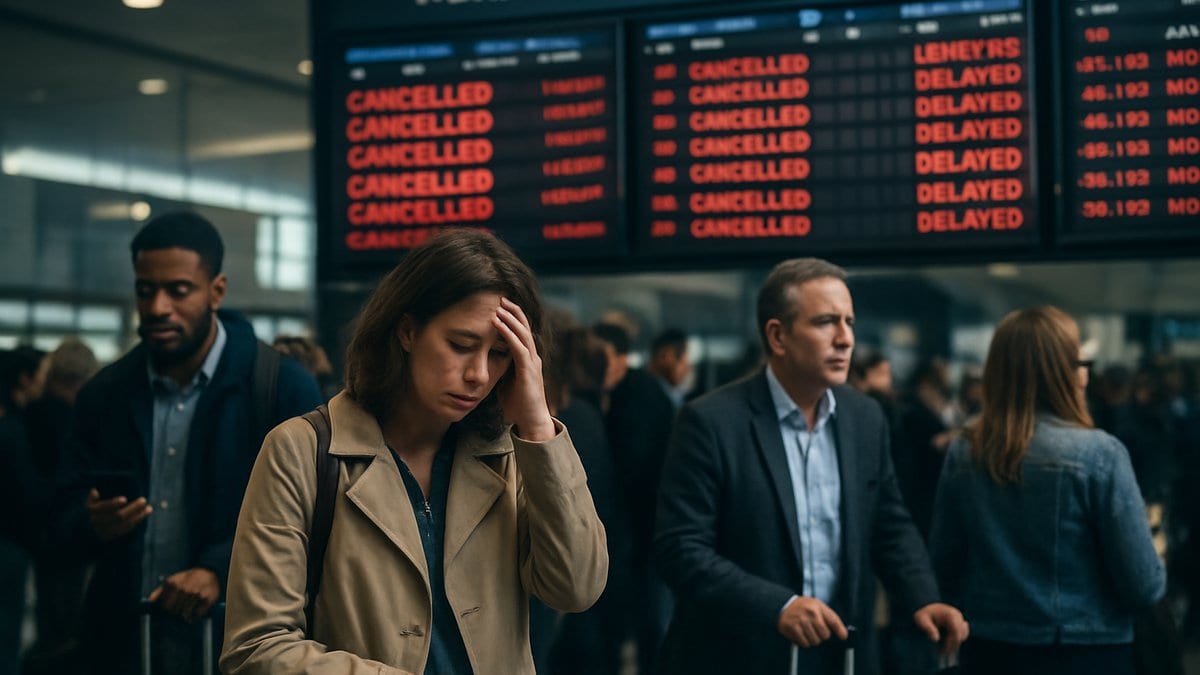
Newark Liberty International Airport faced another turbulent travel day on April 6, with more than 260 flight delays and at least a dozen cancellations disrupting United, Delta, Spirit and Air France services across the United States and on key international routes.
Get the latest news straight to your inbox!
Stormy Weather and a Strained System Collide
Publicly available flight tracking data and industry coverage indicate that operations at Newark Liberty intensified sharply on April 6 as spring storms swept across the Northeast, triggering rolling delays throughout the day. Reports point to roughly 260 delayed departures and arrivals and at least 13 outright cancellations, affecting one of the country’s most congested hubs at the start of the busy spring travel period.
The disruption built on an already fragile operating environment. Newark is regularly cited among the most delay prone major airports in the United States, with federal assessments noting persistent congestion, air traffic control staffing constraints and earlier infrastructure work that has compressed capacity. Recent regulatory orders continue to cap arrivals and departures there in an effort to keep chronic gridlock from worsening during peak periods.
On April 6, that tight margin for error appeared to evaporate as adverse weather interacted with a still constrained airspace. As thunderstorms moved through the mid Atlantic and Northeast, aircraft inbound to Newark faced holding patterns and reroutes, while departing flights were subject to ground delay programs that pushed schedules back by hours.
While weather was a primary trigger, the scale of the disruption underscored how quickly delays at Newark can cascade, with congested taxiways, limited runway flexibility and high traffic volumes combining to magnify each operational hiccup into network wide repercussions.
Major Carriers Hit Across Domestic and International Networks
Among the hardest hit were United Airlines, Delta Air Lines, Spirit Airlines and Air France, all of which operate prominent schedules into and out of Newark. United, which uses the airport as a key transatlantic and domestic hub, registered dozens of delayed flights across short haul routes to cities such as Chicago, Houston and Orlando, along with longer haul domestic services.
Delta and Spirit also experienced a wave of disruption, with published tallies showing multiple delayed departures on popular leisure and visiting friends and relatives routes. Spirit’s flights to Florida and Caribbean gateways were particularly affected, compounding pressure on already full services at the tail end of the spring break period.
International connectivity from Newark was not spared. Air France services linking the airport with Paris Charles de Gaulle encountered delays, adding uncertainty for travelers making onward European and long haul connections. Other foreign carriers using Newark as a secondary New York area gateway also faced schedule pressure as they navigated congestion in the shared airspace.
Across all affected airlines, the pattern was similar. Morning delays, many attributed to weather and flow control measures, bled into afternoon and evening rotations as aircraft and crews fell out of position. Even flights not directly impacted by storms or ground stops often departed late because inbound aircraft arrived behind schedule, illustrating the network wide nature of the disruption.
Ripple Effects for Travelers Across the U.S. and Beyond
The scale of the delays at Newark on April 6 reverberated far beyond New Jersey. Because the airport functions as a major connecting point, especially for United and its partners, disruptions there quickly spread through domestic and international networks. Passengers traveling between secondary U.S. cities who might not normally think of Newark as their destination still found themselves facing missed connections and unexpected overnight stays.
Reports from recent days show that other airports, including Tampa and Atlanta, have been grappling with their own bouts of irregular operations as storms and operational bottlenecks move across the country. Against that backdrop, Newark’s struggles added another layer of complexity for travelers attempting to rebook, with limited spare seats available on alternate routings during peak weekend travel.
Travel industry observers note that the timing is particularly sensitive. Early April sits between the Easter travel surge and the ramp up to summer, traditionally a period when airlines work to reset schedules and recover from winter weather hangovers. Instead, this shoulder season has seen repeated flare ups of disruption at major hubs, leaving many passengers wary of routings that rely on tight connections through Newark and other congestion prone airports.
For long haul travelers, especially those connecting between domestic U.S. flights and transatlantic services, the Newark disruption translated into missed evening departures to Europe and compressed connection windows on morning returns. With some flights operating only once daily, a delay of several hours could easily push a trip into the next day.
Newark’s Longstanding Capacity and Reliability Challenges
The latest wave of delays arrives as Newark continues to navigate structural challenges that predate the current spring weather pattern. Planning documents and federal analyses describe Newark as one of the most constrained major hubs in the country, with limited runway and gate capacity relative to demand and an operating environment that leaves little room to absorb shocks.
In recent years, regulators have moved to reimpose and then extend caps on arrivals and departures at the airport in an effort to manage congestion and reduce extreme delay spikes. Those limits, currently in place through much of 2026, are designed to keep schedules at levels that air traffic control and airport infrastructure can handle more reliably, especially during periods of adverse weather or equipment constraints.
Even with those measures, Newark has remained vulnerable to cascading disruptions when storms, technical issues or staffing shortfalls hit the regional airspace. A series of outages and controller shortages in the broader Northeast corridor over the past two years has periodically constrained traffic flows into the airport, compounding the impact of local weather and runway work.
The events of April 6 appear to follow that familiar pattern. While the immediate trigger was a band of storms, the breadth of the disruption reflects the cumulative effect of high baseline congestion, air traffic control limitations and tight scheduling by airlines seeking to maximize use of valuable Newark slots.
What Travelers Can Expect in the Coming Days
As airlines work to reset schedules after April 6, passengers flying through Newark over the coming days may continue to see residual delays as aircraft and crews are repositioned. Industry experience from previous disruption events suggests that it can take several operating cycles for performance metrics to return fully to normal, particularly when weather remains unsettled across large portions of the country.
Public guidance from airlines and travel providers consistently encourages passengers to monitor their flight status closely, use mobile apps for real time updates and consider longer connection windows when itineraries route through Newark. Some carriers have historically issued travel waivers during periods of sustained disruption, allowing affected customers to adjust plans without change fees, although such options vary by airline and fare type.
Travel specialists also note that early morning departures tend to be more reliable on days following major disruptions, as aircraft are already in place overnight and schedules have not yet absorbed the full impact of airspace congestion. However, with Newark’s structural capacity challenges and ongoing federal arrival and departure limits, even first wave flights can be vulnerable when storms and traffic restrictions coincide.
For now, Newark Liberty remains an essential but challenging hub for both U.S. and international travelers. The April 6 disruption underlines how quickly operations there can unravel when weather and systemic constraints intersect, and it is likely to fuel continued debate over how best to balance demand, infrastructure and reliability at one of the nation’s most important gateways.