

More news on this day
Newark Liberty International Airport experienced a sharp surge in disruptions today, with 24 flight cancellations and 121 delays snarling operations across carriers including Spirit, United, Republic and Endeavor and affecting passengers bound for major destinations in the United States, the United Kingdom, Japan, Germany and Canada, according to publicly available tracking data and airport status reports.
Get the latest news straight to your inbox!
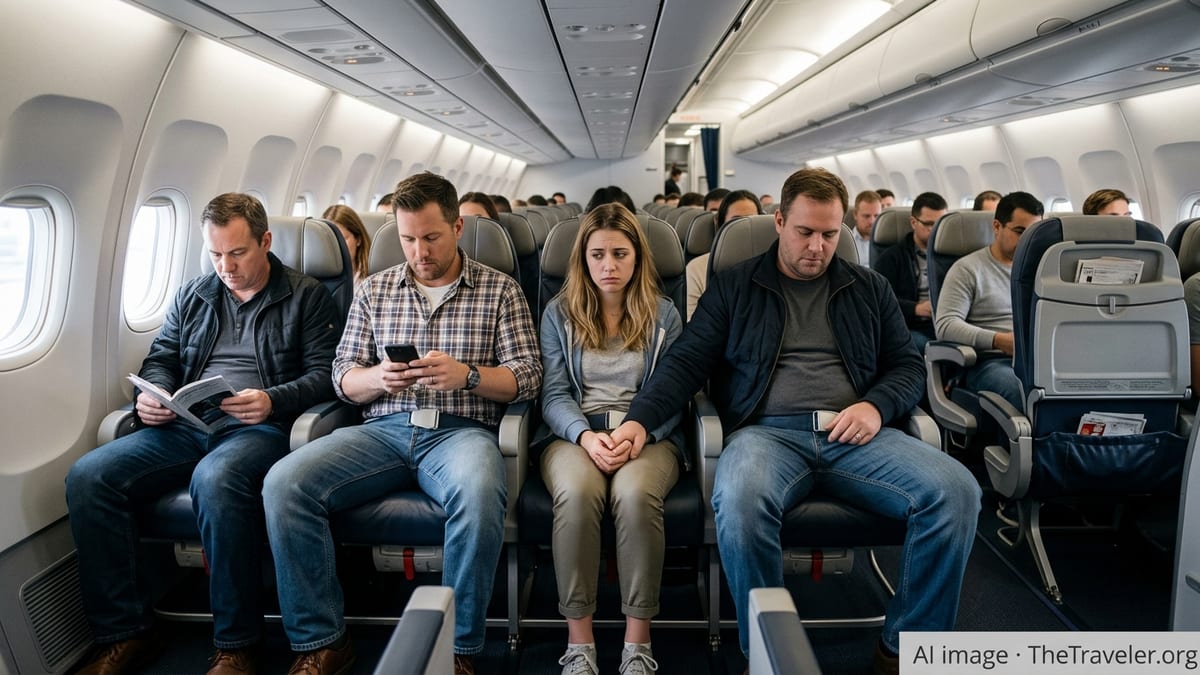
Wide Ripple Effects on Transatlantic and Transpacific Routes
The wave of cancellations and delays at Newark is hitting some of the airport’s most in-demand international corridors. Schedules show disruptions on services linking New Jersey with key European and Asian gateways including London, Tokyo and major German hubs, complicating onward connections for long-haul travelers. Passengers bound for Canada are also seeing itineraries reshuffled as regional and mainline operators adjust timetables.
Publicly available tracking information indicates that United Airlines, which operates a major hub at Newark, is absorbing a significant share of the long-haul impact as widebody and connecting feeder flights fall out of sequence. Routes to the United Kingdom and Germany, in particular, are vulnerable when delays cascade through tightly timed banks of departures and arrivals.
Travelers headed to Japan face similar uncertainty when Newark departures fall behind schedule. Even modest delays at the start of the day can push transpacific flights into tight arrival windows, sharpening the risk of missed domestic or regional connections once passengers land in Asia.
For Canada-bound passengers, disruptions at Newark can quickly spread across multiple cities. With major Canadian airports heavily integrated into U.S. hub-and-spoke networks, a cluster of delays at a single American hub can leave travelers from Toronto, Montreal, Vancouver and other cities waiting for rebooked seats or diverted routings.
Spirit, Republic, Endeavor and United Under Pressure
The latest figures highlight how concentrated Newark’s disruption can be among a handful of carriers. Spirit Airlines, known for its dense leisure schedules, has faced multiple instances of cancellations and extended delays at the airport in recent weeks, according to traveler reports and historical schedule data. Even a small number of scrubbed flights can significantly affect budget-conscious passengers who have limited alternative options on identical routes.
United, as Newark’s primary hub carrier, remains highly exposed whenever operations slip. Public data and past disruption patterns show that delays on regional feeder services operated by partners such as Republic Airways and Endeavor Air can quickly erode the stability of United’s mainline network, especially on days when demand is strong and spare capacity is limited.
Republic and Endeavor, which operate many short-haul and connecting flights under major airline brands, play a critical role in feeding passengers from smaller U.S. markets into Newark’s long-haul departures. When those regional legs are delayed or canceled, travelers risk losing transatlantic and transpacific connections to the United Kingdom, Germany and Japan, amplifying the practical impact of what may look like a modest disruption on paper.
Industry performance data published in recent government and airline reports has repeatedly flagged Newark as one of the country’s more delay-prone large airports, underscoring how quickly operational challenges can escalate into wider network problems for the carriers most active there.
Underlying Strains at a Historically Congested Hub
Although today’s specific tally of 24 cancellations and 121 delays is modest compared with some historic meltdowns, it fits into a longer pattern of strain at Newark Liberty. Federal documentation and prior analyses have pointed to a combination of heavy traffic volumes, airspace constraints, construction projects and air traffic control staffing pressures as recurring contributors to irregular operations at the airport.
Recent regulatory filings and infrastructure summaries highlight how even temporary runway closures or lane reductions around the terminals can reduce the margin for error during busy travel windows. When adverse weather, minor mechanical issues or staffing gaps coincide with this reduced capacity, ground holds and rolling delays can mount rapidly.
Analysts reviewing publicly available data on Newark’s performance note that the airport generates millions of hours of aggregate delay for passengers each year, reflecting not only airborne holds but also lengthy waits on taxiways and at crowded gates. Once such delays accumulate over several hours, carriers often resort to preemptive cancellations to prevent further gridlock.
Travelers using Newark as a connection point to international destinations feel these systemic pressures most acutely. With many itineraries depending on swift transfers between regional jets and long-haul widebodies, a relatively small disruption in morning or early afternoon operations can echo across multiple continents by nightfall.
What Today’s Numbers Mean for Travelers
For passengers departing Newark today or in the coming days, the cluster of 24 cancellations and 121 delays is a reminder of the importance of monitoring itineraries closely and building extra time into tight connections. Publicly available airport status dashboards and airline apps provide real-time updates on gate changes, revised departure times and disrupted services, giving travelers the best chance to adjust plans early.
Those heading to long-haul destinations such as the United Kingdom, Germany or Japan may wish to prioritize longer layovers at intermediate hubs when possible, particularly if traveling on separate tickets. Even for nonstop services, the potential for knock-on disruptions from delayed inbound aircraft can leave departure times uncertain until relatively close to boarding.
Passengers booked on low-cost carriers like Spirit often have fewer alternative flights to choose from in the event of a cancellation, making it especially important to review options in advance. Publicly available policy summaries and consumer resources point out that travelers can sometimes secure refunds or free changes when disruptions are significant, though eligibility can vary by route, cause and jurisdiction.
For regional flights operated by partners such as Republic and Endeavor, travelers may find that rebookings involve rerouting through different hubs or even shifting to mainline aircraft. These changes can lengthen overall journey times but may provide the most reliable path to reaching final destinations when Newark’s schedule is under strain.
Broader Context of a Strained U.S. Aviation System
The turmoil at Newark today comes amid a broader period of stress across the U.S. aviation network. Recent storm systems, infrastructure projects and periodic technology outages at various airports have contributed to rolling disruptions that move from region to region, affecting both domestic and international operations.
Industry analysts draw links between Newark’s challenges and wider issues in the national airspace system, including outdated equipment, staffing gaps in critical control facilities and the complexity of managing dense traffic in congested corridors along the East Coast. When one major hub experiences a spike in delays, knock-on effects can quickly appear at others.
Internationally, the situation is compounded by growing demand for transatlantic and transpacific travel as airlines rebuild schedules to major markets in Europe and Asia. Routes connecting Newark to the United Kingdom, Germany, Japan and Canada are integral to this recovery, making any localized disruption more visible to travelers on both sides of the Atlantic and Pacific.
While today’s disruptions may ease as operations stabilize, publicly available performance data and forward-looking infrastructure plans suggest that Newark Liberty International is likely to remain a closely watched hub for delay-prone days, particularly during peak travel periods and in challenging weather. For now, passengers are left navigating a familiar mix of crowded terminals, shifting departure boards and the hope that their flight is not among the next to be added to the growing list of delays.