

More news on this day
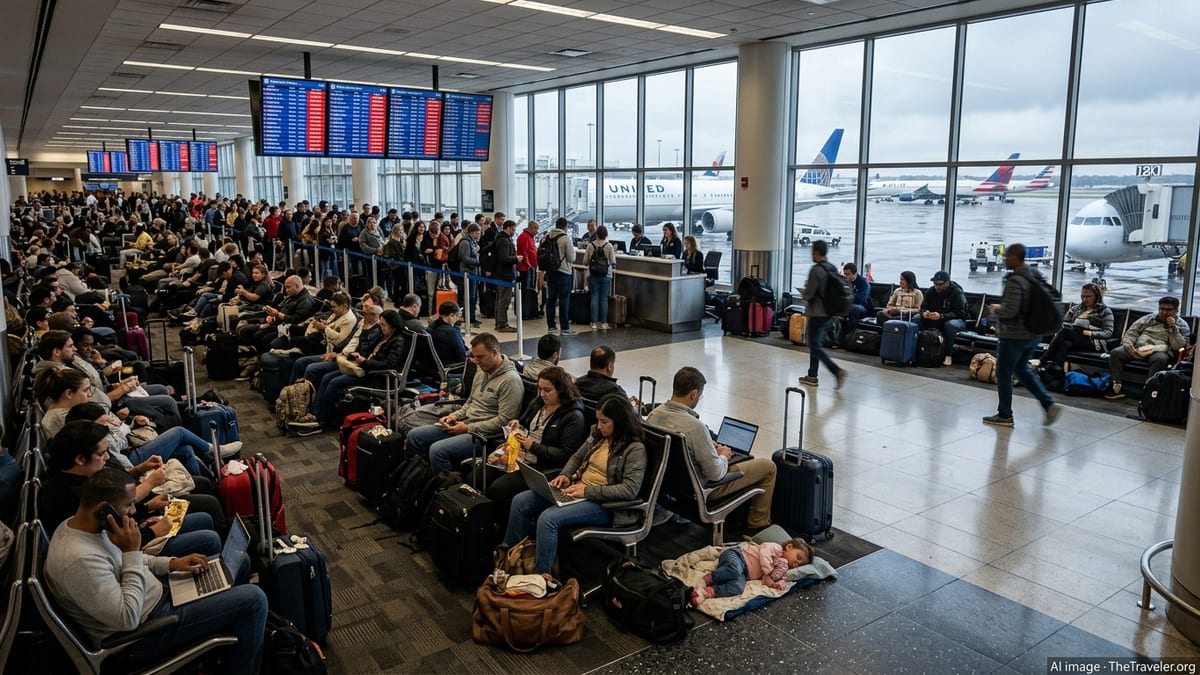
Hundreds of passengers were left stranded at Newark Liberty International Airport in Newark, New Jersey, as publicly available data on Monday showed at least 168 flight delays and 10 cancellations across multiple airlines, disrupting links to major hubs including Chicago, Miami and Orlando.
Get the latest news straight to your inbox!
Wide Ripple Effects Across Major U.S. Routes
The latest disruptions at Newark Liberty International Airport affected a mix of domestic and connecting flights, with routes to Chicago, Miami, Orlando and other key destinations among the hardest hit. Tracking services showed departure and arrival boards dominated by late departures, rolling delay estimates and scattered cancellations, complicating travel plans for business travelers, families and international passengers connecting through the busy New Jersey hub.
United Airlines, which operates a major hub at Newark, appeared to bear a substantial share of the schedule impact, alongside carriers such as Delta Air Lines, American Airlines and several low-cost operators. Flights to major Midwest and Sun Belt destinations, including Chicago and Florida cities, were among those listed as significantly delayed, in some cases by more than an hour, as schedules were repeatedly adjusted through the day.
Passengers reported long queues at check-in counters, rebooking desks and customer service kiosks as they attempted to secure alternate connections or overnight accommodations. With aircraft and crews out of position due to earlier disruptions, even flights technically still operating faced longer-than-usual turnaround times, amplifying delays through the afternoon and evening peak periods.
The congestion at Newark created knock-on effects at downline airports, where inbound flights waited for delayed departures to arrive and crews to become available. As aircraft rotation plans tightened, some departures from other cities bound for Newark were held or rescheduled, further complicating national flight operations.
Underlying Strain at One of the Nation’s Most Delay-Prone Hubs
Newark Liberty has been identified in recent federal documents and industry analyses as one of the most congestion-prone airports in the United States, with chronic delay patterns tied to a combination of high traffic demand, limited runway capacity and regional air traffic control constraints. Publicly available information from transportation authorities highlights Newark’s consistently high rate of late arrivals and departures compared with many other large U.S. airports.
Federal aviation materials show that, in recent years, authorities have imposed operating limits and scheduling caps at Newark in an effort to reduce chronic delays and improve reliability. These measures aim to balance intense demand from airlines with the physical and operational limits of the airport’s two-runway layout and crowded Northeast airspace, where even minor weather or traffic control disruptions can quickly cascade into widespread delays.
Industry coverage also points to the broader context of staffing challenges in air traffic control facilities serving the New York metropolitan area, which includes Newark, LaGuardia and John F. Kennedy airports. When combined with seasonal weather systems and ongoing infrastructure work, these constraints have contributed to periods of acute disruption, particularly during peak travel seasons such as summer, winter holidays and spring break.
Monday’s wave of delays and cancellations at Newark appears to fit into this wider pattern, with a concentrated spike in disruptions at a facility already flagged in government reports as operating near or above its optimal capacity for significant portions of the day.
Impact on Airlines and Passengers
For airlines, the operational impact of 168 delays and 10 cancellations at a single, high-volume hub stretches well beyond Newark’s terminals. Airlines rely on tightly coordinated aircraft and crew schedules, and delays at a critical node such as Newark can quickly ripple through national networks, affecting flights hours and even days later. Aircraft scheduled to operate multiple legs in a day may miss subsequent rotations, while pilots and cabin crews can reach duty-time limits more quickly when faced with extended ground holds.
For passengers, the effects are immediate and personal. Travelers heading to Chicago, Miami, Orlando and other major destinations faced missed connections, shortened vacations and unexpected overnight stays. Families with young children, elderly travelers and those with tight onward connections were among the most vulnerable, often facing limited options on already full alternate flights.
Publicly available consumer guidance from transportation regulators notes that passengers affected by delays and cancellations may be eligible for certain accommodations or rebooking options, depending on airline policies and the specific cause of disruption. In practice, however, high demand during peak travel periods means same-day alternatives can be scarce, with some travelers accepting long layovers or connections through secondary airports to reach their destinations.
Airlines typically respond to such events by waiving certain change fees, adding larger aircraft on key routes where possible and adjusting schedules in subsequent days to restore regular operations. However, the complexity of Newark’s role as a transatlantic and domestic hub can lengthen recovery times, particularly when disruptions coincide with other operational challenges across the network.
Weather, Seasonal Demand and Systemic Vulnerabilities
Recent weather systems across the eastern United States have periodically disrupted air travel, compounding Newark’s structural constraints. Published weather and aviation reports from this season describe strong storm complexes and winter systems that swept through key air corridors, triggering thousands of delays and cancellations nationwide and leaving airports like Newark especially exposed.
When severe weather intersects with already crowded airspace, air traffic managers often implement ground delay programs or reduce arrival and departure rates to maintain safety and manage traffic flow. Such measures can quickly create long backlogs at airports where demand is high and runway capacity is limited, as is the case at Newark. The operational strain is further magnified when storms stretch over multiple days or affect several major hubs simultaneously.
Seasonal travel surges also play a role. Spring break and late winter holidays drive higher passenger volumes on routes to warm-weather destinations such as Miami and Orlando, concentrating demand through key hubs. At times when many flights are already near full, even a modest number of cancellations or extended delays can leave hundreds of travelers without straightforward rebooking options.
Aviation analysts frequently note that the combination of weather vulnerability, constrained infrastructure and high demand leaves major Northeast airports particularly susceptible to disruption. The latest episode at Newark mirrors previous events in which storms and staffing pressures converged with the airport’s underlying capacity challenges.
Calls for Long-Term Improvements and Traveler Preparedness
The recurring nature of delays at Newark Liberty has prompted ongoing discussions in public policy and industry forums about long-term solutions. Publicly accessible planning and regulatory documents reference initiatives such as air traffic control technology upgrades, runway rehabilitation projects and continued caps on scheduled operations as tools to stabilize performance at the airport.
While such measures are designed to reduce the frequency and severity of disruption, they often require years to implement and can themselves temporarily add to operational complexity. During periods of construction or transition, airlines and passengers may continue to experience heightened levels of delay and occasional spikes in cancellations, even as long-term prospects improve.
Travel experts commonly advise passengers using Newark and other busy Northeast hubs to build extra time into itineraries, especially when making same-day connections or traveling during seasons known for volatile weather. Early-day departures are often cited in public guidance as less susceptible to rolling delays, and flexible ticket options can provide more room to adjust plans when schedules unravel.
The latest wave of disruptions at Newark underscores the ongoing tension between strong passenger demand for convenient flights through a major metropolitan gateway and the operational limits of an airport and airspace system working near capacity. For hundreds of travelers stranded or significantly delayed, Monday’s numbers on the departure board translated into missed events, reshuffled plans and another reminder of the fragility of modern air travel when a busy hub stumbles.