

More news on this day
Travelers passing through Newark Liberty International Airport faced another day of disruption as publicly available flight-tracking data showed 151 delays and 12 cancellations, snarling schedules across key domestic and international routes.
Get the latest news straight to your inbox!
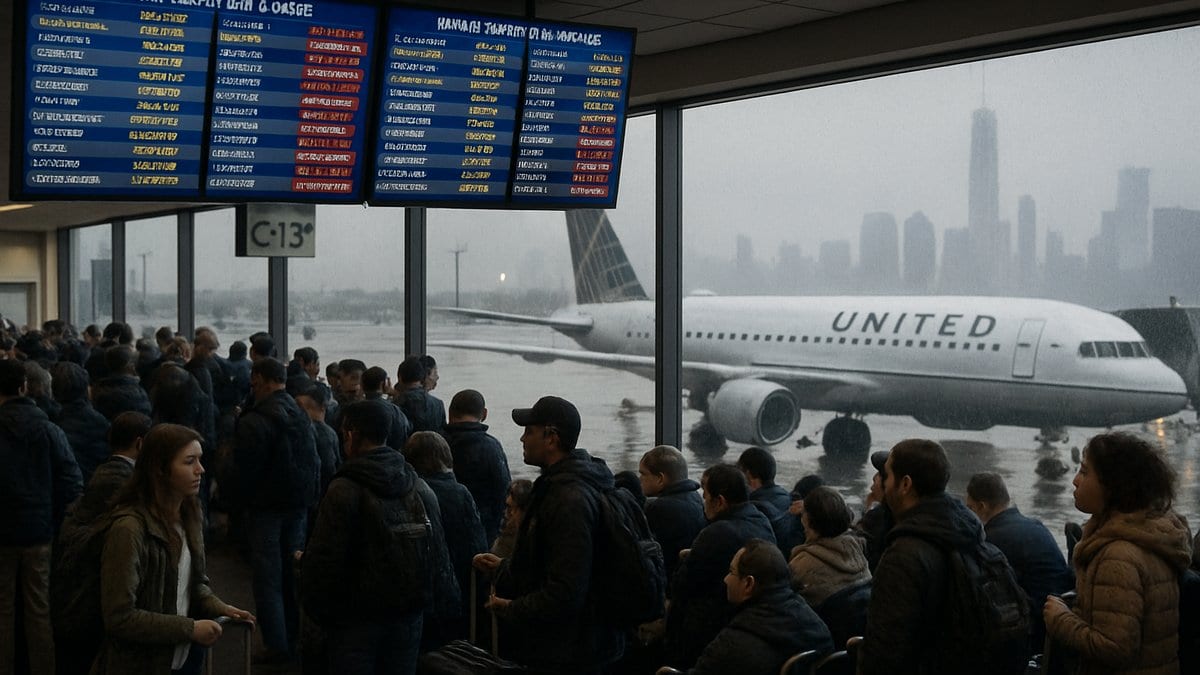
Image by Nomad Lawyer
Delays Outpace Cancellations at Major New York–Area Hub
Newark Liberty International Airport, one of the primary gateways for the New York metropolitan area, experienced a delay-heavy operating day, with late departures and arrivals far outnumbering outright cancellations. Reports drawing on flight-tracking platforms and specialist travel industry coverage indicate that 151 services were delayed compared with 12 that were canceled, pointing to widespread schedule slippage rather than a full-scale shutdown of operations.
The disruption affected a mix of domestic and international flights, including services linking Newark with major North American hubs such as Chicago and Toronto, as well as long haul routes to destinations including London, Munich, and Delhi. Industry-focused reporting notes that the pattern at Newark mirrored broader strains in the United States aviation network, where chronic congestion, staffing limitations, and tightly packed timetables regularly contribute to cascading delays.
While cancellations remained comparatively limited in number, the volume of delayed flights created ripple effects throughout the day. Passengers faced missed connections, extended airport waits, and last-minute rebookings, especially on itineraries that relied on tight transfer windows through Newark.
United, Spirit and Other Carriers Bear the Brunt
Publicly available breakdowns of the day’s performance show that United Airlines, the dominant carrier at Newark, recorded the highest number of delayed flights. Coverage in travel trade media places United’s delay tally at more than 70 departures and arrivals, underscoring the carrier’s exposure at its New Jersey hub. United also reported several cancellations, contributing significantly to the overall disruption.
Low cost operator Spirit Airlines was among the most affected in terms of cancellations, with reports indicating five scrapped flights alongside a series of delays. Other large US carriers, including American Airlines, Delta Air Lines and JetBlue, as well as transatlantic operators such as British Airways, all encountered schedule reliability issues as the day progressed.
The uneven impact on different airlines reflects Newark’s role as a strategic hub for some carriers and a key spoke for others. High-frequency operations, particularly on shuttle-style routes to major business centers, tend to be more vulnerable to small timing shifts that accumulate into significant delays by late afternoon and evening.
Knock-On Effects Across North American and International Routes
The disruptions at Newark reverberated along some of the busiest corridors in North American aviation. Travel industry reporting highlights recurrent problems on routes linking Newark with Chicago O’Hare, Toronto Pearson, and major Sun Belt and West Coast destinations such as Fort Lauderdale and San Francisco. Delays on these segments compounded operational complexity further down the network as aircraft and crews arrived late for subsequent rotations.
International services were not spared. Flights connecting Newark with major European and Asian hubs, including London and Munich, experienced schedule creep that, in some cases, extended overnight connections or required passengers to be rebooked onto later departures. Such long haul delays can have outsized consequences for travelers with onward legs, including those bound for secondary European cities or South Asia through New York–area gateways.
These ripple effects underscore how a single day of operational strain at a large hub can spill across borders. Even when the majority of flights ultimately depart, extended ground times, slower turnarounds, and revised departure slots can lead to missed meetings, disrupted vacation plans, and overnight stays for affected passengers.
Structural Congestion Adds Pressure at Newark
Newark’s latest day of disruption unfolded against a backdrop of longstanding concerns about chronic congestion at the airport. Federal aviation planning documents and previous policy notices have repeatedly identified Newark as one of the most delay-prone major airports in the United States, citing heavily utilized runways, dense scheduling in peak periods, and the concentration of hub operations by a single large carrier.
In recent years, regulators have introduced temporary limits on the number of scheduled arrivals and departures at Newark in an effort to ease gridlock and improve reliability. Publicly released orders from the Federal Aviation Administration show caps on movements per hour and temporary relief measures tied to runway construction, air traffic staffing constraints, and modernization of equipment in the New York airspace.
Despite these steps, operational data and industry commentary indicate that Newark remains sensitive to even modest disruptions, whether from weather, air traffic control initiatives, or local infrastructure work. When those factors intersect with peak travel periods, delays can build quickly and persist throughout the day, as seen in the latest round of 151 delayed flights.
What Passengers Experienced on the Ground
For travelers, the statistics translated into longer lines at check in and security, crowded gate areas, and uncertain departure times. Those booked on affected services often encountered rolling delay estimates, with departure boards updating incrementally as airlines and air traffic managers adjusted to evolving conditions. Some travelers with tight connections through Newark were forced to rebook on later flights, while others opted to reroute via alternative New York–area airports.
Publicly available guidance from airlines operating at Newark typically encourages passengers to monitor mobile apps and airport displays for real time updates, and to allow extra time at the airport on days when disruption levels are elevated. Same day change policies, waivers during significant irregular operations, and the option to reroute within a defined radius of the original destination are among the tools carriers highlight for affected customers.
The latest wave of delays and cancellations at Newark illustrates how even a relatively contained number of flight cancellations can still result in a difficult travel day when accompanied by a high volume of late departures and arrivals. For passengers planning upcoming trips through the airport, observers suggest building in schedule buffers, checking flight status frequently, and considering flexible itineraries that can accommodate shifting departure and arrival times.