

Niagara Falls is one of North America’s most spectacular natural sights, and it rewards a bit of planning. Whether you are crossing an international border for the day or building a longer itinerary around the region, knowing when to go, what to prioritize and how to move between key viewpoints can turn a rushed stop into a memorable trip. The following guide focuses on timely, practical advice to help you make the most of your visit in 2026 and beyond.
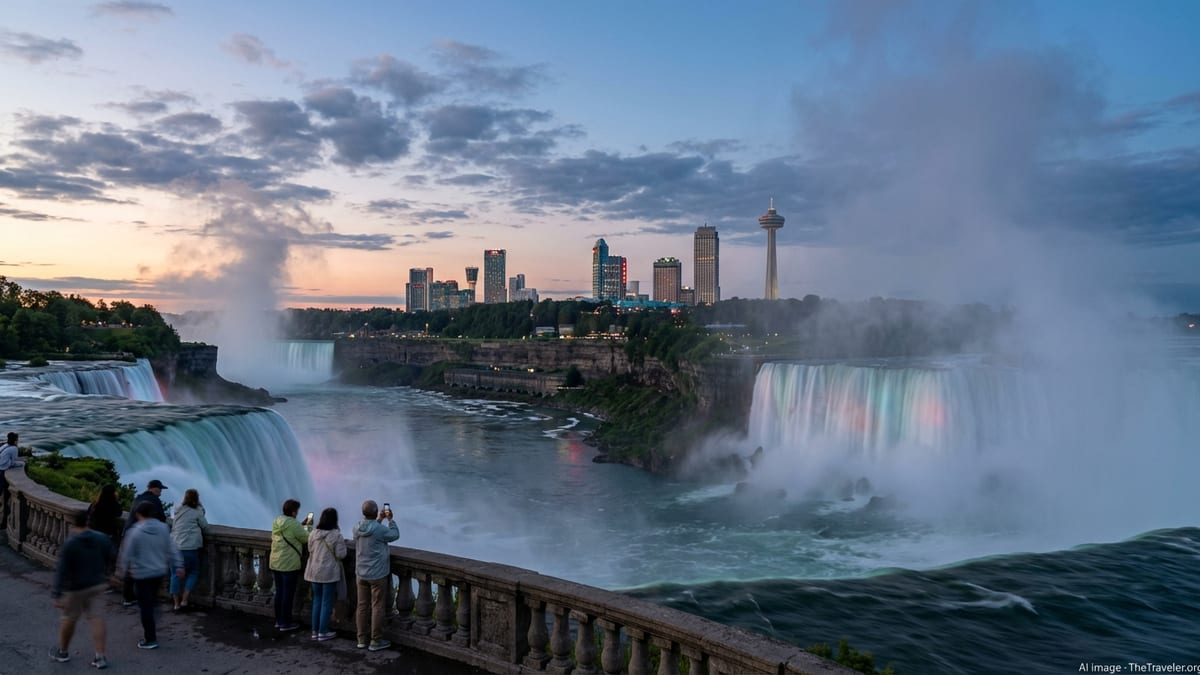
Understanding Seasons, Crowds and When to Go
Niagara Falls is technically a year round destination, but the experience changes significantly with the seasons. From roughly late May through early October, most attractions on both the U.S. and Canadian sides run at full capacity, including the major boat tours and adventure activities. This is when the weather is warmest, flower displays are in bloom and evening fireworks are scheduled most nights in peak months, but it is also when crowds and prices are at their highest.
The shoulder seasons of spring and fall often strike a balance between atmosphere and elbow room. April, May, late September and October usually bring milder temperatures, fewer visitors and good visibility, with many attractions still operating on regular or slightly reduced schedules. Early in spring some boat tours may not yet be running, and late in fall hours can shorten, so checking current opening dates and times before you go is especially important in those months.
Winter, from roughly November through March, offers a very different kind of Niagara experience. The falls themselves do not fully freeze, but ice forms along the gorge and mist coats nearby railings, trees and walkways in layers of white. This can be magical, particularly in photographs, and accommodation prices are typically lower. The trade off is that several outdoor or water based attractions break for the season, and conditions can be bitterly cold at the viewpoints. For many visitors, a winter trip works best as a short, focused stay centered on the views, indoor attractions and regional dining rather than a full activity program.
Ultimately, the best time to visit depends on your priorities. If you want every attraction available and long daylight hours, accept the crowds and heat of high summer. If you care more about easier parking, calmer paths and potentially lower costs, target the shoulders of the season or plan for a brisk but rewarding cold weather visit.
Choosing Between the American and Canadian Sides
One of the biggest decisions first time visitors face is whether to focus on the American side, the Canadian side or both. Niagara Falls State Park in New York offers very close proximity to the water, with paths that bring you almost to the edge of the American Falls and Bridal Veil Falls. Goat Island, accessible by bridge, splits the river and provides intimate viewpoints near the lip of the Horseshoe Falls. The overall feel is more like a traditional U.S. state park, with wooded sections, picnic areas and walking trails.
On the Canadian side, Queen Victoria Park and the surrounding promenade in Niagara Falls, Ontario, open up the classic panoramic postcard view. From here you see all three waterfalls at once, including the full curve of the Horseshoe Falls. This side also concentrates many of the tall hotels, restaurants, casinos and observation decks, providing more options for rooms with a view and elevated perspectives. The Canadian side can feel more overtly commercial, but it is also where many visitors find the most dramatic sightlines.
If you carry a valid passport and meet current entry requirements, it is worth planning to see both sides in a single trip. The Rainbow Bridge, which sits a short walk or drive from the main viewing areas, is open 24 hours a day in 2026, allowing vehicle and pedestrian crossings between the cities. Border inspections are usually straightforward, but you should still allow some extra time, especially on summer and holiday weekends. When deciding where to stay, remember that you can cross more than once during a stay; some travelers overnight on the Canadian side for the views and spend a day exploring the American state park, or vice versa.
If you cannot or prefer not to cross the border, do not worry. Each side offers a complete experience on its own. The American side excels in closeness to the water and a more nature forward feel, while the Canadian side delivers sweeping vistas and a high concentration of attractions within walking distance.
Essential Attractions and How to Tackle Them
Certain experiences have become nearly synonymous with a trip to Niagara Falls. Foremost among them are the boat tours that run into the mist at the base of the Horseshoe Falls. On the U.S. side, Maid of the Mist departs from within Niagara Falls State Park, typically operating from spring into November depending on ice conditions. On the Canadian side, a similar boat experience runs from the base of the gorge below the main promenade during the warmer months. Both issue ponchos, and both deliver a visceral, wet, windblown perspective that many visitors describe as the highlight of their trip.
Because these boat tours are highly popular, it makes sense to prioritize them early in the day, especially in summer. Lines grow steadily from late morning onwards, and same day tickets can sell out during peak holiday periods. Booking tickets in advance where possible and arriving early can substantially reduce your wait time. If you are traveling with children or older family members, this strategy also allows you to schedule a rest or indoor attraction in the heat of the afternoon rather than standing in a long queue.
Other major attractions worth considering include Cave of the Winds on the American side, which brings you by elevator down into the gorge near Bridal Veil Falls, and Journey Behind the Falls on the Canadian side, where tunnels lead to observation portals behind and beside the Horseshoe Falls. Observation towers, such as the one rising from the American side of the gorge or the tall tower on the Canadian side, provide elevated views and are particularly rewarding at sunset and after dark when the waterfalls are illuminated.
When time is limited, it can be helpful to choose a mix of one boat tour, one close up platform experience and one higher viewpoint to appreciate the falls from several angles. Multi attraction passes offered by park authorities and local operators can simplify planning and may save money if you intend to visit multiple sites in a single day.
Practical Logistics: Getting There, Getting Around and Border Tips
Niagara Falls is relatively straightforward to reach by road. On the U.S. side, Interstate 190 connects the area to the rest of western New York, with well signed exits for Niagara Falls State Park. On the Canadian side, Highway 420 and the Queen Elizabeth Way link Niagara Falls, Ontario, with Toronto and other cities in the Golden Horseshoe region. Driving gives you the most flexibility, but peak season weekends can bring traffic congestion near the main viewpoints, so patience and extra time in your schedule are useful.
Parking regulations and fees vary by lot and by season, with higher prices and shorter time limits near the brink of the falls and in core tourist districts. If you are willing to park a bit farther away and walk, you can often find slightly lower rates and less congestion. Public transit and seasonal shuttles operate on both sides of the border, connecting popular attractions, hotels and transport hubs. Many visitors appreciate these services, especially if they prefer not to move the car repeatedly during the day.
For those crossing between the United States and Canada, the Rainbow Bridge is the most convenient link, within easy walking distance of major viewpoints. It operates 24 hours a day, and pedestrians pay a small toll when heading from Canada into the U.S. Standard border rules apply, so bring proper identification, such as a passport, and be prepared to answer routine questions about your trip. NEXUS and other trusted traveler programs can speed up processing for eligible travelers, but regular lanes usually move steadily outside of major holiday surges.
Once in the immediate area, the falls themselves are highly walkable. Plan on doing more walking than you might expect, especially if you intend to visit Goat Island, multiple viewpoints and several attractions spread along the gorge. Comfortable, broken in footwear and a willingness to climb short hills or stairs will make your day more enjoyable, and taking brief breaks to sit, rehydrate and simply watch the water can become some of the most memorable moments of your visit.
Packing Smart for Mist, Weather and Long Days
The microclimate right around Niagara Falls often surprises first time visitors. Even on a warm summer afternoon, the combination of constant mist, gusting wind and shade in the gorge can leave you damp and chilled after a while. In cooler seasons, that same mist can freeze on railings and form slick patches on the ground. Packing with these conditions in mind will help you stay comfortable and safe.
At minimum, bring a light waterproof jacket or shell that you do not mind getting soaked, and consider a compact packable rain layer for each member of your group. The plastic ponchos handed out on boat tours and at some attractions do their job, but they do not always keep arms, legs and shoes dry. Non slip, closed toe footwear is preferable to sandals, especially on wet decks and stairs. In colder months, add a warm hat, gloves and an insulating mid layer; wind chill near the brink of the falls can feel markedly lower than the forecasted temperature.
Waterproof or water resistant cases and straps for phones and cameras are wise additions. Mist can accumulate quickly on lenses and screens, so bringing a soft cloth to wipe them dry helps preserve image quality. If you wear prescription glasses, a simple cap or brim can reduce the amount of spray on the lenses. Finally, pack sunscreen and sunglasses, even if your forecast looks cloudy. Reflected light from water and mist can be intense, and you may spend hours outside without realizing how much sun exposure you are accumulating.
Because days at the falls often involve more walking and waiting than anticipated, a small daypack stocked with water, a few snacks, hand sanitizer and tissues can make your schedule more flexible. While food is widely available, lines can be long at peak meal times, and having something on hand helps tide you over while you wait for a table or a quieter moment to eat.
Saving Time and Money Without Sacrificing the Experience
Niagara Falls does not have to be an expensive destination, but costs can add up quickly if you plan multiple ticketed attractions, dine in busy tourist districts and visit in the height of summer. A bit of advance planning often leads to meaningful savings without diminishing the experience. One effective strategy is to cluster paid attractions together on a single day and use bundled passes where offered. These passes typically combine several popular sites at a modest discount and can streamline entry.
Lodging prices fluctuate by season, day of the week and view category. Rooms that face the falls on the Canadian side command a premium, particularly on summer weekends and during holidays. Booking well ahead for peak dates, considering Sunday through Thursday stays rather than Friday and Saturday, and comparing rates across both sides of the border can help you find better value. If you are comfortable staying slightly farther from the brink and walking or using transit, you may secure more space for the same price.
When it comes to food and drink, stepping just a few blocks away from the busiest viewpoints often reveals more moderately priced options frequented by locals. Picnicking in park areas is another way to control costs while making the most of the scenery. Just be aware of posted rules about alcohol, grills and waste disposal; the goal is to enjoy the setting while keeping it clean and safe for everyone.
Time is as valuable as money on a short trip, so align your schedule with crowd patterns. Early morning and later evening typically bring lighter foot traffic at major viewpoints, even in high season. Midday is a sensible time to focus on indoor attractions, quiet walks, a leisurely lunch or a rest at your accommodation. By thinking of your day in these broad waves, you can often see more while feeling less rushed.
Staying Safe and Respecting the Environment
The sheer power of Niagara Falls can be easy to underestimate when you are preoccupied with taking photographs, managing family members or navigating crowds. Safety infrastructure on both sides, from railings and fences to clear warning signs, exists for good reasons and deserves close attention. Climbing over barriers for a better angle, leaning far beyond railings or stepping onto closed paths introduces real risk in an environment where surfaces can be wet and wind gusts unpredictable.
On boat tours and at close up attractions, staff instructions are designed to keep large groups safe around moving water and machinery. Listen carefully to briefings, hold on to railings when the boat or platform moves, and keep children close. If you are visiting with young kids, agree in advance on simple rules such as staying within arm’s reach at viewpoints and waiting to move until everyone in your party is ready. Those wearing flip flops or shoes with smooth soles should take extra care on damp surfaces, especially stairs.
The natural environment around the falls is resilient but not indestructible. Staying on marked paths and avoiding trampling vegetation along the gorge helps preserve fragile riverbank habitats. Litter can quickly blow or wash into the water, so carrying your trash to proper bins or back to your accommodation is a small but meaningful contribution. If you are using reusable bottles and coffee cups, take advantage of refill stations where available to cut down on disposable plastics.
Finally, remember that weather near the falls can change faster than in surrounding areas. Sudden showers, mist shifts and localized wind can arrive with little warning. Checking the short term forecast, dressing in layers and accepting that you may get wet are all part of traveling safely and comfortably in this environment.
The Takeaway
Niagara Falls has drawn visitors for generations, and in 2026 it remains both a classic road trip stop and a destination worthy of a dedicated journey. The difference between a quick look and a deeply satisfying visit often comes down to preparation. Choosing the right season for your priorities, deciding whether to see one or both sides, and identifying a manageable set of must do experiences will help keep your days focused and enjoyable.
With a bit of strategic planning around crowds, transport and tickets, you can spend less time in lines and more time simply taking in the water’s roar, the play of light in the mist and the changing colors after dark. Packing appropriately for the microclimate around the gorge, respecting safety guidelines and traveling with a flexible attitude will further improve your experience, whether you stay for an afternoon or a long weekend.
Above all, allow yourself unstructured moments. Step back from the camera, find a quieter railing or a bench under the trees, and watch the river surge past on its way to the brink. Those unscripted pauses, framed by the sound of falling water, often become the memories that last longest after you have left Niagara behind.
FAQ
Q1. What is the best month to visit Niagara Falls?
The most popular time is June through August for warm weather and full operations, but May, September and early October often offer fewer crowds and pleasant conditions.
Q2. Do I need a passport to see both sides of Niagara Falls?
Yes. To cross between the United States and Canada over the Rainbow Bridge, adult visitors generally need a valid passport or other approved travel document that meets current border requirements.
Q3. Are the boat tours at Niagara Falls open all year?
No. Major boat tours typically operate from spring into late fall, with exact opening and closing dates varying by year and ice conditions. In winter they usually pause for the season.
Q4. How many days do I need to see Niagara Falls?
One full day is enough for key viewpoints and a single attraction, but two or three days allow time for both sides of the border, multiple experiences and a more relaxed pace.
Q5. Is Niagara Falls safe for children and older travelers?
Yes, provided you follow posted safety rules, stay behind railings and move at a comfortable pace. Many paths are paved, and attractions offer elevators, but some areas involve stairs and wet surfaces.
Q6. Can I visit Niagara Falls on a budget?
Yes. Viewing the falls from public parks is free, and costs can be managed by visiting in the shoulder or winter seasons, using attraction bundles and staying slightly away from the busiest districts.
Q7. What should I wear to stay dry near the falls?
Wear non slip closed toe shoes and bring a light waterproof jacket or poncho. Expect to get wet on boat tours and close up platforms, and pack a spare layer if temperatures are cool.
Q8. Do the falls light up at night?
Yes. Powerful colored lights illuminate the waterfalls every night, with times varying by season. In warmer months, fireworks are also scheduled regularly on select evenings.
Q9. Is parking difficult at Niagara Falls?
Parking is available on both sides but can be expensive and busy in peak season near the brink. Arriving early, considering park and ride options and being willing to walk help ease the experience.
Q10. Can I see Niagara Falls in winter, and is it worth it?
Yes. The viewing areas remain open year round, and winter brings striking ice formations and lighter crowds. You will need to dress warmly and accept that some attractions will be closed.