

Few destinations spark as much debate among travelers as Niagara Falls. Is the American side or the Canadian side better? The reality is that both offer remarkable but very different experiences. Which one is “best” depends less on the falls themselves and more on what kind of trip you want, how long you have, and whether you are comfortable crossing an international border. This guide breaks down the key differences, from views and attractions to prices, nightlife and logistics, so you can decide where to spend your time and money.
The Big Picture: How the Two Sides Feel
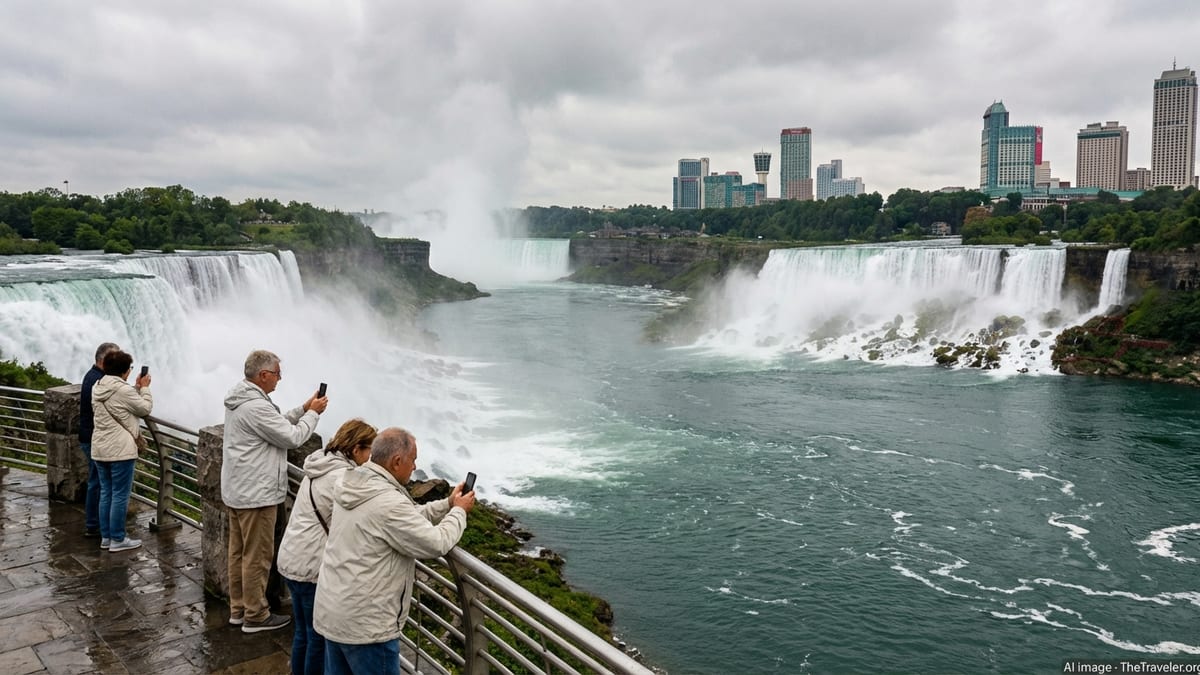
Standing on either side of the Niagara River, you are looking at the same natural wonder, but the setting and atmosphere feel distinct. On the American side in Niagara Falls, New York, the falls are framed by Niagara Falls State Park, a largely green, low-rise landscape designed for walking, hiking, and quiet viewpoints. The focus is on the water, the gorge and the parkland more than on commercial development.
On the Canadian side in Niagara Falls, Ontario, the falls meet a much more built-up skyline. High-rise hotels, a dense strip of attractions at Clifton Hill, casinos and restaurants cluster along the rim of the gorge. The experience is more urban and resort-like, with a long promenade overlooking the falls and easy access to entertainment and dining late into the evening.
Both sides stay open year-round for viewing. The parks on each bank operate daily, and current tourism updates confirm that Niagara Falls State Park and Queen Victoria Park remain open throughout the year, even when seasonal attractions pause in late autumn and winter. The boat tours and some adventure activities generally run from around April or May through October or, on the Canadian side, into early December, depending on conditions.
If you imagine a quieter, nature-heavy trip with lower-rise surroundings and walking trails, the American side may fit you best. If you want a lively atmosphere, expansive skyline views of the falls and plenty of evening options, the Canadian side usually comes out ahead.
Views Of The Falls: Panoramas vs Up-Close Angles
The most common argument in favor of Canada is simple: the views. Because the Canadian bank curves opposite the full width of the Horseshoe Falls and much of the American Falls, it offers a sweeping, front-facing panorama you simply cannot replicate on the American side. Walking the promenade in Queen Victoria Park, you can see all three waterfalls in a single grand arc, with unobstructed photo opportunities from many points along the railing.
The American side offers more intimate vantage points at the very edge of the water. From Prospect Point and Goat Island, you are nearly at eye level with the brink of the American and Bridal Veil Falls. It is dramatic to feel the ground vibrating near the drop and to look straight down into the churning water, but the trade-off is that you do not get the same complete postcard view of the entire horseshoe shape of the Canadian falls. Observation platforms help compensate, but the perspective is inherently more side-on.
The Maid of the Mist Observation Tower on the U.S. side provides one of the best overall lookouts there, with elevated views of both the American Falls and, in the distance, the Horseshoe Falls. On the Canadian side, the Skylon Tower and various Fallsview hotel rooms give elevated panoramas, but for most visitors the simple promenade railings offer more than enough drama, especially at sunrise and sunset when the light softens the mist and rainbows are common.
If your priority is the single classic panoramic photograph that appears in brochures, Canada has the stronger vantage points. If you are more interested in feeling the force of the water from the brink and walking out over the river, the American viewpoints deliver a different kind of intensity.
Iconic Attractions: Boat Rides, Cave Walks And More
On both sides, boat tours into the mist are the signature experience. In the United States, Maid of the Mist departs from the base of the Observation Tower in Niagara Falls State Park. In Canada, Niagara City Cruises (often still called Hornblower by visitors) leaves from docks below the Canadian promenade. Both operate modern boats, both hand out ponchos and both sail into the same turbulent basin at the base of the Horseshoe Falls, where you are drenched in spray and surrounded by roaring water.
Recent pricing information suggests that Maid of the Mist adult tickets are around 30 US dollars, while Niagara City Cruises adult tickets are in the low 40s in Canadian dollars, with child tickets a bit lower on each side. After currency conversion, the cost is broadly similar, though actual totals vary with tax, exchange rates and seasonal changes. The American cruise tends to operate roughly April through October, while the Canadian service often runs a bit later into the year.
Beyond the boat rides, the attractions diverge. On the U.S. side, Cave of the Winds on Goat Island is a standout: a series of wooden walkways and decks that lead you right beside the Bridal Veil Falls, where the wind and spray can be intense. Entry is typically priced as a separate ticket or folded into seasonal passes, and it offers one of the closest, most physical encounters with any of the falls.
On the Canadian side, Journey Behind the Falls allows you to walk through tunnels bored into the rock and emerge at portals and platforms just behind and beside the Horseshoe Falls. Along the Canadian bank you also have White Water Walk along the rapids downstream, the Butterfly Conservatory, Niagara’s Fury multimedia attraction, and zipline experiences that launch near the brink area and descend toward the gorge. Bundled attraction passes from Niagara Parks often combine several of these at moderate savings compared with buying individually.
Costs, Value And Where Your Money Goes Furthest
Overall costs on both sides depend heavily on your travel style, season and where you stay, but some patterns have emerged. Reports from recent seasons show that major attractions on the Canadian side, such as Journey Behind the Falls and Niagara City Cruises, are generally priced in the range of roughly 25 to 45 Canadian dollars for adults, while U.S. signature attractions like Maid of the Mist and Cave of the Winds tend to range from the low 20s to low 30s in U.S. dollars per adult, exclusive of any bundled skip-the-line packages.
Entry to Niagara Falls State Park itself is free, with parking fees at various lots forming the main cost of access. In Canada, the main viewing promenades in Queen Victoria Park are also free to stroll, but there can be more temptation to spend on nearby paid attractions and arcades. On both sides, paid parking near the falls is common and can increase significantly in peak summer and holiday periods.
Accommodation patterns differ as well. In general, Niagara Falls, Ontario, offers more Fallsview hotels with direct room views of the Horseshoe Falls, particularly in the mid to upper price brackets. These properties typically charge a premium for rooms with unobstructed views, especially in summer. On the U.S. side, many travelers find somewhat lower average hotel rates a short walk or drive from the park, though true falls-view rooms are less common. Budget motels and chain hotels are widely available on both sides, but competition and exchange rates can make one side more favorable in a given year.
If you are visiting for a single day primarily to walk the park and take one boat ride, total out-of-pocket costs can be comparable whether you stay in the United States or Canada. If you envision multiple attraction tickets, arcade-style entertainment and a Fallsview room in the height of summer, Canada can become more expensive but may also feel like a fuller resort experience.
Border Crossing, Documents And Practical Logistics
For many travelers, the deciding factor is not price or views, but border formalities. Niagara Falls sits on the international boundary between the United States and Canada, and crossing from one side to the other requires appropriate documentation. For most U.S. and Canadian citizens, that means a valid passport, an enhanced driver’s license in some regions, or a trusted traveler card such as NEXUS. Visitors from other countries may need visas or electronic travel authorizations depending on nationality and mode of arrival.
The Rainbow Bridge, located right beside the falls area, is the most convenient crossing for tourists and is open around the clock. Current information from regional travel resources indicates that wait times for private vehicles are often brief outside of peak weekends and holidays, though delays can increase during busy summer periods. There is a modest toll for crossing by car, typically charged only when entering Canada, with a smaller fee for pedestrians walking from Canada into the United States.
Pedestrians can walk across the Rainbow Bridge for outstanding elevated views of the river and falls from mid-span. The walk itself takes only a few minutes, but you must still clear border formalities at each end and carry the required identity documents. Frequent announcements remind visitors that rules for children are somewhat more flexible, with minors from Canada under a certain age often permitted to cross with a birth certificate or proof of citizenship rather than a full passport, though families should always verify current requirements before travel.
If you do not have the documents or time to cross the border, you can still have a satisfying visit on either side. However, travelers who are comfortable with international crossings often find that staying on one side and making a day visit to the other gives the most complete perspective on the falls in a single trip.
Seasonality, Weather And Nighttime Experiences
Niagara Falls is a year-round destination, but the experience varies by season. Tourism updates for early 2026 confirm that core viewing areas on both sides are open every day of the year. Winter can bring ice, snow and dramatic frozen mist formations, but many boat tours, outdoor decks and water-focused attractions pause operations from roughly late October until spring for safety and maintenance.
Spring and early summer typically mark the ramp-up of the full attraction schedule, with boat rides, behind-the-falls experiences and adventure activities reopening over April and May as river conditions allow. Peak visitation usually occurs in July and August, when warm temperatures, school holidays and long daylight hours draw crowds. Fall offers colorful foliage along the gorge and slightly thinner crowds, though weekends can still be busy.
One area where the Canadian side has a notable edge is nighttime atmosphere. The falls are illuminated nightly from both banks, but the broad Canadian promenade and cluster of Fallsview hotels create an especially vibrant after-dark scene. Current schedules indicate that nightly illumination generally runs for many hours after sunset, with seasonal adjustments, and that fireworks are planned over the falls on many evenings from May through October.
On the American side, the park becomes quieter at night, with fewer commercial lights and less late-night foot traffic. If you prefer tranquil evening walks and stargazing over neon, this can be a major advantage. If you want restaurants, bars and family attractions open late within walking distance of the viewpoints, Canada provides more choice.
Food, Nightlife And Family Fun
Dining and entertainment styles differ dramatically. In Niagara Falls, Ontario, Clifton Hill is the focal point for casual fun: a compact district of themed restaurants, arcades, mini-golf, haunted houses and the Niagara SkyWheel. It has a clear family-friendly, amusement-park feel by day and remains lively into the evening. Along the Fallsview area, higher-end hotel restaurants and lounges offer more polished dining, often with windows facing the illuminated Horseshoe Falls.
The American side around Niagara Falls State Park has a smaller cluster of restaurants and bars, with more options a short drive away rather than directly at the brink. The overall mood is quieter, and many visitors treat the park as a daytime destination before returning to hotels or dining areas in nearby communities such as Niagara Falls, New York, or across the border in Canada.
For families, both sides can work well. Canada’s side wins on sheer quantity of attractions if you want to fill a day with arcades, wheels and museums between falls viewpoints. The U.S. side may appeal more to families focused on nature, picnics, and educational walks along the river, especially for those trying to keep food and entertainment costs more controlled.
Couples and adult groups may lean toward Canada for nightlife and casino options or toward the U.S. for a quieter, park-oriented escape. In all cases, availability and opening hours can vary by season, so checking current schedules in the months leading up to your trip is wise.
Which Side Is Better For Different Types Of Travelers?
Rather than searching for a single winner, it is more useful to match each side’s strengths to your travel priorities. If photography and sweeping vistas are at the top of your list, the Canadian side is generally the better base. Its elevated promenade, frequent rainbows in the mist, and broad views of all three waterfalls make it easier to capture classic images in a short time, especially at sunrise or sunset and during nighttime illuminations and fireworks in season.
If you define “best” by how close you can get to the water while staying on land, the American side’s Cave of the Winds and brink-level walkways are hard to beat. The feeling of standing on Goat Island within a few steps of the drop, or on wooden platforms in the spray below Bridal Veil Falls, is very different from looking across the river at a safe distance.
Budget-conscious travelers might lean toward the U.S. side for slightly lower average hotel rates and the free entry to Niagara Falls State Park, especially when combined with a single major paid attraction. Those planning to buy attractions bundles, enjoy a Fallsview room and spend evenings in a lively entertainment district may find that the higher costs on the Canadian side feel justified by the density of things to do.
Finally, first-time visitors who have the documents and time to cross the border often report that combining both sides in a single trip offers the richest experience: perhaps two nights in Canada for views and nightlife, and one day focused on the trails, islands and close-up encounters in the U.S. park.
The Takeaway
Niagara Falls is not a contest where one country “wins” and the other loses. Instead, it is a shared natural wonder that offers two distinct ways to experience the same phenomenal rush of water. The Canadian side provides broad, cinematic views, a lively resort town atmosphere and an array of attractions and dining steps from the gorge. The American side offers more of a classic park setting, closer contact with the water at the brink and along boardwalks, and a quieter, often more budget-friendly environment.
If you must choose only one side, ask yourself what matters most: panoramic views and nightlife, or intimate encounters with the falls and calmer surroundings. If you can cross the border and sample both, you will understand why so many travelers consider Niagara Falls one of North America’s great short-break destinations, worth revisiting in different seasons and from both perspectives.
Whichever side you pick, planning around seasonality, border requirements, attraction operating schedules and your own comfort with crowds will have as much impact on your enjoyment as the choice between countries. With realistic expectations and a bit of flexibility, either bank of the Niagara River can deliver a visit that feels like the best side of the falls.
FAQ
Q1. Which side of Niagara Falls has the best overall views?
The Canadian side generally offers the most expansive panoramic views of all three waterfalls from a single promenade, which many visitors prefer for photography.
Q2. If I only have one day, should I visit the USA or Canada side?
With one full day, Canada is often recommended for first-timers because of its sweeping views and dense cluster of attractions, though the U.S. side is better if you prefer a quieter, park-focused visit.
Q3. Do I need a passport to visit both sides of Niagara Falls?
Yes, to cross between the United States and Canada you generally need a valid passport or equivalent approved document, and some travelers may also need visas or authorizations.
Q4. Are the boat tours very different on each side?
Both Maid of the Mist in the U.S. and Niagara City Cruises in Canada follow similar routes into the mist below the Horseshoe Falls, with comparable experiences and slightly different ticketing systems.
Q5. Which side is more budget friendly?
The U.S. side often works out a bit cheaper for simple trips focused on the state park and one major attraction, while the Canadian side can become pricier once you add Fallsview hotels and multiple paid attractions.
Q6. Is Niagara Falls open in winter?
Yes, main viewing areas on both sides remain open year-round, though boat tours and some close-to-the-water attractions typically shut down from late fall until spring.
Q7. Which side is better for families with children?
Canada’s Clifton Hill area offers more kid-focused attractions and entertainment in a compact area, while the U.S. side suits families who prioritize nature walks, picnics and a calmer pace.
Q8. Can I walk across the border at Niagara Falls?
Yes, you can walk across the Rainbow Bridge between the two countries, enjoying elevated views, but you must clear border formalities and carry the required documents.
Q9. Are the viewpoints accessible for travelers with limited mobility?
Both sides provide a range of accessible viewing areas and attractions, though specific access details vary; checking current information for individual sites before your visit is important.
Q10. If I stay on one side, is it still worth visiting the other?
Many travelers feel that seeing both sides, even briefly, provides a more complete understanding of the falls, but each side alone can still deliver a memorable experience if time or documents are limited.