

More news on this day
Recent flight disruptions involving United Nigeria Airlines, including a dramatic jet blast incident in Lagos and a series of bird strike related groundings, are sharpening concerns about aviation reliability in Africa’s largest economy and raising fresh questions for UK and US tourists planning trips to Nigeria.
Get the latest news straight to your inbox!
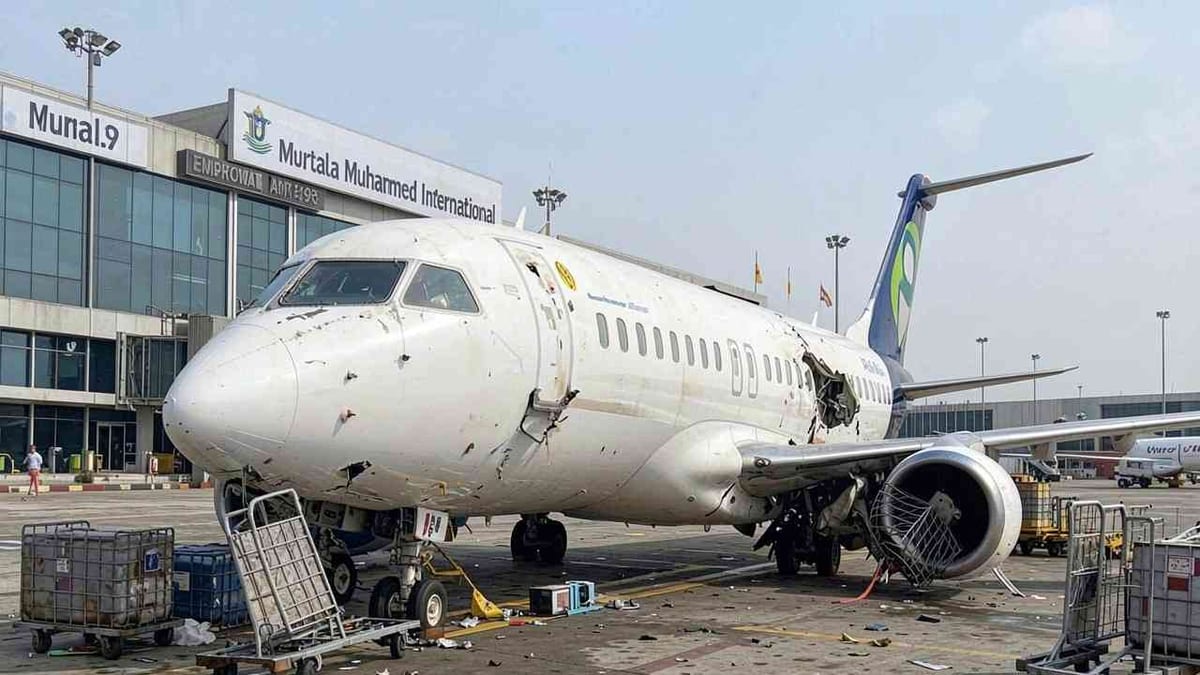
Image by Travel And Tour World
Jet Blast Chaos In Lagos Highlights Operational Strain
Reports from Lagos indicate that a recent jet blast incident at Murtala Muhammed Airport disrupted ground operations and left domestic passengers facing lengthy delays and cascading cancellations. While detailed official timelines remain limited, accounts from local aviation outlets describe an aircraft engine power-up on the ramp that scattered equipment, forced temporary closure of part of the apron, and required reactive rescheduling of departures.
The Lagos hub already operates under heavy pressure, with tight turnaround times and limited spare aircraft capacity for many Nigerian carriers. When a single aircraft is taken out of rotation unexpectedly, as appears to have happened in the wake of the jet blast, knock-on effects can ripple quickly across routes linking Lagos with Abuja, Port Harcourt, Enugu and smaller regional airports.
Publicly available information on recent operational data shows that United Nigeria Airlines has historically struggled with punctuality, recording a significant proportion of delayed services on its domestic network compared with total scheduled flights. That background has intensified scrutiny of how sudden airside incidents, even when they do not lead to injuries or aircraft damage, can nonetheless deepen public frustration about reliability.
For foreign visitors, especially those connecting from intercontinental flights into domestic services on arrival in Lagos, such episodes increase the risk of missed onward connections to business centres and tourist destinations such as Calabar or Owerri.
Bird Strikes Force Groundings And Network Disruption
Alongside the jet blast scare, bird strike events have emerged as a major headache for United Nigeria Airlines. Travel trade coverage in February indicated that the carrier suffered a fourth bird strike in the space of two weeks, prompting the grounding of at least two aircraft and schedule disruptions focused on the busy Lagos and Abuja corridors.
In one widely reported case, an Abuja to Lagos flight returned to the ramp after a bird strike before takeoff, with the airline stating that the precaution was taken in line with standard safety procedures. While the aircraft landed or taxied back safely in these instances, inspections and maintenance checks are mandatory after such encounters, which can damage fan blades and engines.
The cumulative effect has been cancellations and delays across United Nigeria’s network, with passengers rebooked onto later flights or shifted to alternative carriers where capacity allows. In a market already contending with high fuel prices and scarce spare parts, the loss of just a handful of narrowbody jets to unplanned maintenance has an outsized impact on available seats.
Bird activity around Nigerian airports is a longstanding concern, heightened by nearby waste sites and wetlands that attract flocks. Recent clusters of incidents have reignited debate over the effectiveness of wildlife management and airfield surveillance, even as regulators maintain that commercial aviation in the country remains broadly safe.
Knock-On Effects For UK And US Visitors
For travellers from the United Kingdom and United States, the immediate implication is not a direct safety emergency but a higher likelihood of disruption once inside Nigeria’s domestic system. Long haul arrivals into Lagos and Abuja from London, New York, Washington, Houston and other hubs often connect onwards to local flights operated by Nigerian carriers, including United Nigeria Airlines.
When aircraft are grounded following bird strikes or jet blast related inspections, airlines have limited options to protect international passengers on tight itineraries. Some travellers may face forced overnight stays in gateway cities, lost prepaid hotel nights in regional destinations, or missed business meetings outside Lagos and Abuja.
Travel analysts tracking the Nigerian market note that domestic fares and ancillary costs have climbed sharply over the past two years, driven by currency volatility and soaring jet fuel prices. In this context, sudden schedule shocks can feel particularly acute for visitors who have already paid premium prices for internal connections relative to similar distances in Europe or North America.
UK and US visitors who are combining city stays with cultural or eco-tourism in states such as Cross River, Plateau or Ekiti may find their itineraries compressed if domestic links are cut back at short notice. Tour operators with fixed departure dates are especially exposed when local carriers trim rotations or consolidate flights after aircraft are temporarily withdrawn from service.
How Travellers Can Respond To A More Volatile Market
Publicly available guidance from industry bodies and risk consultancies suggests that foreign tourists can mitigate some of the uncertainty by building additional slack into Nigerian flight plans. Allowing longer connection windows between intercontinental arrivals and domestic departures, and avoiding last flights of the day on key routes where possible, can reduce the impact of a single disruption.
Specialists also recommend checking whether tickets are issued on a single booking reference or as separate tickets. When long haul and domestic segments are on different itineraries, travellers bear more of the risk if a local cancellation causes a missed international flight home. Aligning with one airline group or using travel agencies that understand Nigerian operations can provide more options when rebooking becomes necessary.
Another practical step is to consider travel insurance that explicitly covers missed connections, schedule changes and additional accommodation costs stemming from operational issues, not only severe weather or medical emergencies. Policy wording varies considerably, and recent Nigerian aviation disruptions underline the value of reading those clauses closely before purchase.
Given the recent cluster of incidents, some UK and US travellers may also prefer to route to regional destinations overland from Lagos or Abuja where road conditions and security assessments permit. However, experts continue to emphasize that, statistically, commercial air travel remains far safer than long highway journeys in many parts of Nigeria.
What The Incidents Mean For Nigeria’s Tourism Ambitions
The timing of the United Nigeria Airlines disruptions is awkward for a country eager to grow its profile as a tourism and meetings destination. Federal and state authorities have highlighted plans to attract more visitors from Europe and North America, banking on Nigeria’s music, film, culinary and cultural appeal as well as major events in Lagos and Abuja.
However, repeated headlines about technical incidents, bird strikes and on-the-day cancellations risk undermining that narrative, especially among first time visitors weighing Nigeria against other West African or global options. International media coverage of Nigeria’s aviation sector often emphasizes problems more than progress, magnifying the reputational damage from each operational scare.
Industry commentators argue that addressing these concerns will require a combination of stricter adherence to schedules, investment in airport infrastructure, more effective wildlife and debris control around runways, and clearer communication with passengers when things go wrong. Carriers that demonstrate transparency and proactive service recovery may be better placed to retain the confidence of foreign tourists.
For now, the jet blast disruption in Lagos and the sequence of bird strike incidents involving United Nigeria Airlines serve as a reminder that, in Nigeria as elsewhere, the smoothness of a trip can hinge on factors far beyond an individual traveller’s control. UK and US tourists are unlikely to abandon the destination entirely, but many are already recalibrating expectations and building more flexibility into their plans for journeys through Nigerian skies.