

More news on this day
Nigerian airlines are estimated to have lost about N32.5 billion in a single year as a result of chronic flight delays, cancellations and schedule disruptions, underscoring the growing economic cost of operational and regulatory bottlenecks in the country’s aviation sector.
Get the latest news straight to your inbox!
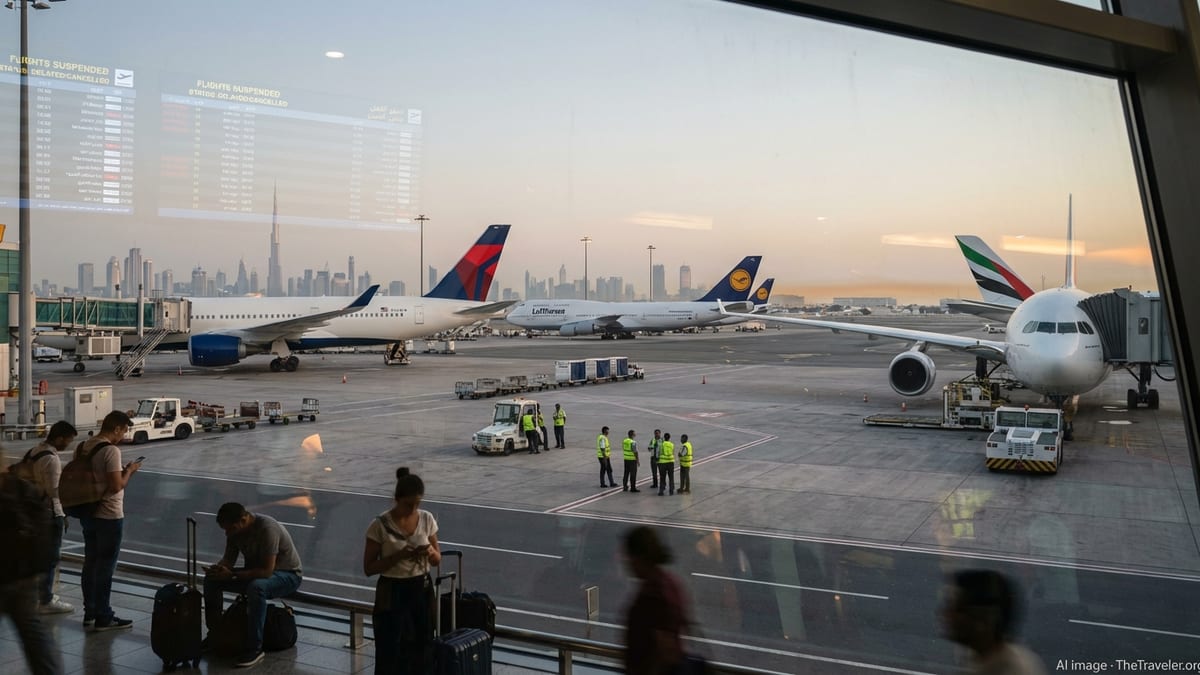
Billions wiped out by grounded aircraft and disrupted schedules
The N32.5 billion estimate reflects the combined impact of direct airline expenses and the knock-on effect of repeated schedule failures across domestic networks. Industry analyses and recent financial disclosures from Nigerian carriers and airport operators indicate that prolonged ground time, additional fuel burn, crew repositioning and passenger care obligations are eroding already thin margins.
Available data for recent operating years show that a significant share of Nigerian domestic flights arrived behind schedule, with some routes recording delays on most operating days. Each delayed rotation reduces aircraft utilisation, limits the number of daily sectors an airline can fly and increases unit costs, particularly for carriers operating older, less fuel-efficient fleets.
According to publicly available information, cost pressures have already pushed several carriers into restructuring, consolidation discussions or outright collapse. Lost revenue from passengers who abandon air travel for road transport, alongside compensation, refunds and rebooking, is increasingly cited in industry commentary as a drag on profitability and a barrier to long-term investment in fleet renewal.
The N32.5 billion figure also captures the opportunity cost of seats that go unsold when schedules lose credibility. Frequent travellers report gravitating toward a small cluster of operators perceived as more reliable, leaving weaker airlines with lower load factors and fewer options to recover their costs.
Operational bottlenecks compound infrastructure and weather challenges
While adverse weather and limited airport infrastructure are recurring themes in Nigerian aviation, reports indicate that a large portion of delays and cancellations can be traced to operational and planning problems. These range from aircraft unavailability and maintenance overruns to crew scheduling gaps and slow ground handling turnaround times at busy terminals.
Congestion at key hubs, particularly during peak travel periods, often magnifies small disruptions into systemwide breakdowns. A single inbound aircraft arriving late can cascade into multiple late departures, missed connections and eventually cancellations as airlines struggle to reset their rotations before night curfews or crew duty-time limits are reached.
Fuel scarcity episodes and price volatility have also contributed to irregular operations. When aviation fuel supply tightens or prices spike, carriers sometimes consolidate flights, cancel lower-yield services or extend ground time to manage uplift and payment. These decisions may stabilise short-term cash flow but add to the annual tally of disrupted services and lost revenue.
On top of this, several Nigerian airports are still undergoing phased upgrades and maintenance projects that constrain runway and terminal capacity at certain hours. Temporary closures, reduced approach minima and navigational restrictions can force diversions or lengthy holding patterns, all of which feed into the broader cost of delays.
Passengers bear hidden economic and social costs
The N32.5 billion estimate focuses on airline-side losses, but the wider economic impact on passengers and businesses is considerably higher. Missed meetings, hotel nights, connecting tickets on international carriers and extra ground transport all add layers of unrecorded expense that rarely appear in aviation balance sheets.
Business travellers have reported adopting defensive strategies, such as flying a day earlier for critical engagements or booking flexible, more expensive fares to hedge against cancellations. This behaviour not only drives up travel budgets, it also reduces productivity as more time is spent in transit or waiting out delays in terminals.
Leisure travellers and migrant workers are affected in different ways. Family events, academic schedules and medical appointments can be disrupted by last-minute cancellations, while stranded passengers sometimes incur unplanned accommodation and feeding costs. Consumer protection rules require airlines to provide certain forms of care, but patchy enforcement means these obligations are not always met, leaving travellers to absorb much of the burden.
Tourism operators and hospitality businesses also feel the strain when flights are repeatedly rescheduled. Reports from destinations reliant on domestic connections suggest that late arrivals and missed weekend trips are dampening demand, with small hotels and tour guides particularly exposed to last-minute no-shows.
Regulatory scrutiny and calls for stronger consumer protection
Publicly available information from regulatory filings and policy statements shows that Nigerian aviation regulators have been under growing pressure to tighten oversight of airline schedules and passenger rights. Consumer groups and travel associations have urged more rigorous enforcement of compensation rules for cancellations that are within a carrier’s control, as well as clearer standards for care during long delays.
Regulators have responded at different times with directives on on-time performance reporting, minimum service levels and sanctions for repeated schedule failures. However, analysts note that regulatory capacity, data quality and follow-through remain uneven, which can dilute the deterrent effect of penalties and allow chronic operational weaknesses to persist.
There are also ongoing discussions around aligning Nigeria’s consumer protection framework more closely with international aviation standards. Advocates argue that clearer and more predictable rules on refunds, rebooking and compensation would encourage airlines to invest in reliability, while also giving passengers better tools to seek redress when trips are severely disrupted.
At the same time, there is recognition that indiscriminate penalties could further strain airlines that are already financially fragile. This tension is shaping a policy debate over how to improve punctuality and service quality without accelerating industry consolidation or triggering further exits from the market.
Pressure grows for structural reforms and investment
The reported N32.5 billion in annual losses attributed to delays and cancellations is reinforcing calls for structural reforms across Nigeria’s aviation ecosystem. Industry commentators point to the need for coordinated investment in airport infrastructure, modern air traffic management and more efficient ground handling to reduce turnaround times and enhance resilience.
Fleet modernisation is another area of focus. Newer aircraft, with better reliability and lower fuel burn, can support tighter schedules and reduce the likelihood of technical delays. However, weak balance sheets and currency pressures make it difficult for local carriers to secure favourable financing, particularly when their revenue streams are vulnerable to disruption.
Strategic partnerships, code-sharing agreements and potential mergers are being floated as ways to build more robust networks with deeper pools of aircraft and crew. Proponents argue that larger, better-capitalised carriers would be better equipped to absorb shocks, maintain contingency capacity and invest in digital tools for proactive disruption management.
For now, the estimated N32.5 billion lost to irregular operations in a single year serves as a stark indicator of how fragile the current system remains. Unless airlines, regulators and infrastructure providers can align around a long-term reliability agenda, Nigeria’s domestic aviation market risks continued erosion of public confidence and foregone growth in a country where air travel is vital for connecting distant regions.