

More news on this day
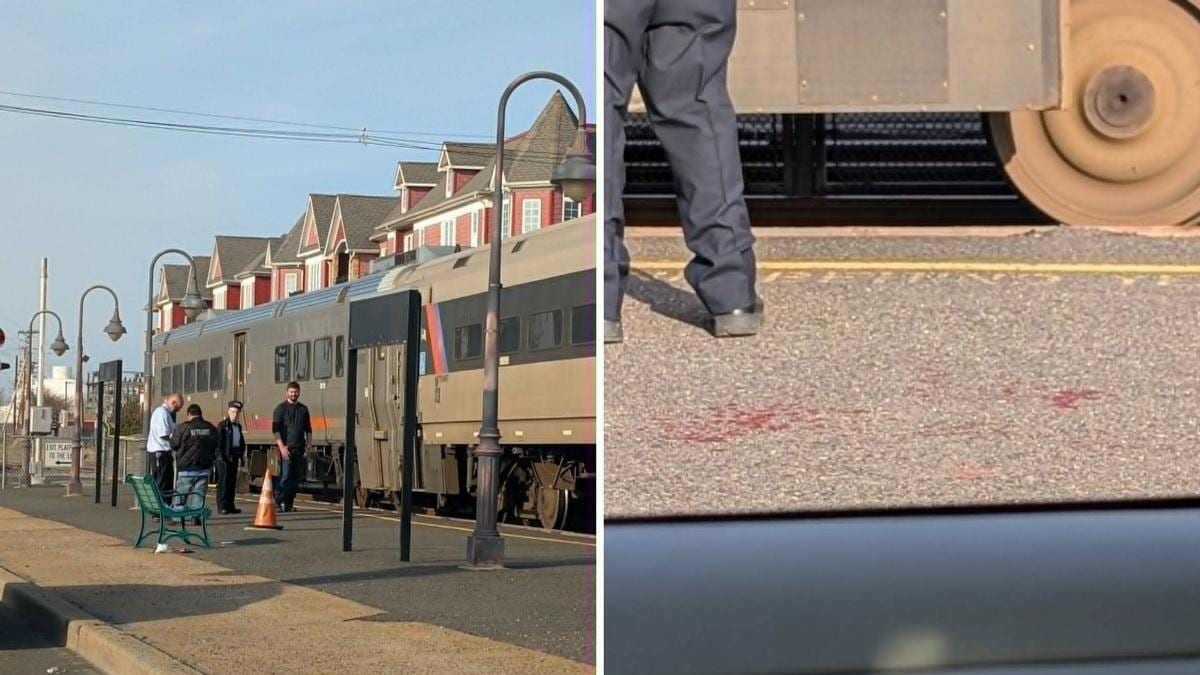
An NJ Transit North Jersey Coast Line train was brought to an abrupt halt near Bradley Beach on Friday evening after a conductor was assaulted during a fare dispute, leaving passengers stranded and highlighting ongoing concerns about safety for frontline transit staff.
Get the latest news straight to your inbox!
Fare Dispute Turns Violent on North Jersey Coast Line
Publicly available reports indicate that the incident occurred on the evening of Friday, April 3, 2026, on a southbound North Jersey Coast Line train heading toward Ocean County. The altercation reportedly began as a disagreement over a fare, escalating when a passenger allegedly struck the conductor in the face.
Coverage from regional outlets describes the conductor being punched in the nose after attempting to resolve the fare issue in a railcar crowded with end-of-week commuters. The train stopped just short of the Bradley Beach station as crew members and responding personnel dealt with the aftermath of the assault.
Early accounts suggest that other passengers quickly alerted additional crew and emergency responders. The conductor was removed from duty for medical attention and to provide information about the confrontation, rendering the train unable to continue its scheduled trip.
The confrontation unfolded at a time when North Jersey Coast Line services are heavily used by riders traveling between the Jersey Shore communities and major employment centers, exacerbating the disruption for those on board.
Passengers Stranded and Scrambling for Alternatives
According to published coverage, the halted train left approximately 150 passengers stuck on or near the tracks outside Bradley Beach as NJ Transit and local responders assessed the situation. With the crew no longer able to operate the train and an investigation under way, riders faced an extended wait with limited information about when, or how, they would be able to continue their journeys.
Some travelers reported through local media that they were eventually escorted off the disabled train and directed toward the nearest station area. Without immediate replacement service, many turned to ride-hailing apps and taxis to reach destinations in Ocean County and other shore communities.
Reports indicate that the stoppage also caused ripple delays for following trains on the single-track segment of the line, as rail traffic was held or rerouted until the incident scene was cleared. The combination of an immobilized train and constrained track capacity contributed to longer than usual travel times across the corridor.
Riders described a mix of frustration and concern, noting that a routine fare check had turned into a prolonged evening disruption. For visitors and occasional riders unfamiliar with local geography and transit options, the sudden need to arrange alternative transportation added cost and complexity to their trips.
Transit Worker Safety Back in the Spotlight
The episode near Bradley Beach comes amid a longer running discussion in New Jersey about violence toward transit workers. Prior legislative measures and union campaigns have focused on increasing penalties for assaults on NJ Transit train crews and bus operators, pointing to a series of confrontations linked to fare disputes and, more recently, conflicts over behavioral rules.
Recent public statements from labor groups have emphasized a rise in incidents in which passengers allegedly threaten, berate, or physically attack front-line staff. In prior years, state lawmakers expanded potential fines and prison terms for those convicted of assaulting crew members, presenting the tougher penalties as a deterrent intended to protect essential workers.
Despite those efforts, the Bradley Beach case suggests that the risk to on-board personnel remains a pressing concern. The confrontation reportedly began over something as routine as verifying payment, a task that conductors carry out repeatedly each trip. The prospect that a standard interaction could end in violence has renewed calls, in commentary and editorials, for additional staffing, better de-escalation tools, and more visible enforcement on trains.
Passenger advocates also note that safety for riders is closely tied to the safety of crew members. When conductors are targeted or incapacitated, as in this case, the entire operation of the train is disrupted, leaving travelers vulnerable to extended delays and sudden changes in plans.
Operational Disruption and Service Recovery
Publicly available information shows that rail traffic on the North Jersey Coast Line was temporarily affected while the incident was addressed and the assaulted conductor received treatment. A following train was brought in to assist, and select services were adjusted to manage congestion around Bradley Beach and nearby stations.
Rail operations in this part of the corridor are particularly sensitive to unexpected stoppages, because trains often share limited tracks and move through a mix of shore communities and interlockings that can be difficult to access quickly. Any unplanned halt, whether mechanical or related to a security incident, can take significant time to clear safely.
In the wake of the assault, riders reported residual delays and crowded conditions on subsequent trains, as displaced passengers transferred to later departures. Travel patterns were further complicated by the evening timing of the disruption, when options such as connecting buses can be less frequent.
The situation also rekindled long-standing discussion about how NJ Transit communicates with passengers during unplanned disruptions. Online comments and rider accounts pointed to uneven updates, with some travelers relying on social media and broadcast traffic reports for more detailed explanations of what had happened.
Broader Questions About Rider Behavior and Enforcement
The assault has also fed into a broader regional conversation about passenger conduct and expectations of civility on public transportation. Incidents on trains and buses across the Northeast in recent years have involved disputes over fares, seating, luggage, and personal space, sometimes escalating into threats or violence.
Advocates for safer transit environments argue that clear codes of conduct, visible signage about penalties for assaulting staff, and improved reporting channels for riders can help discourage confrontational behavior. They also emphasize that fare disagreements should never turn physical and that passengers have avenues to contest charges or file complaints without endangering crew members or fellow riders.
For now, the Bradley Beach assault serves as a stark reminder of how quickly a routine commuter run can be derailed by a single act of aggression. As NJ Transit reviews the circumstances of the case and its impact on service, riders and workers alike are watching to see whether additional measures will be taken to reduce the risk of similar incidents on the state’s busy rail network.