

More news on this day
Holland America Line’s Noordam is emerging as a key player in a new wave of West Coast cruising, with its latest repositioning plans highlighting how rapidly the Pacific Coast is regaining momentum as a cruise corridor between Alaska, Mexico and Hawaii.
Get the latest news straight to your inbox!
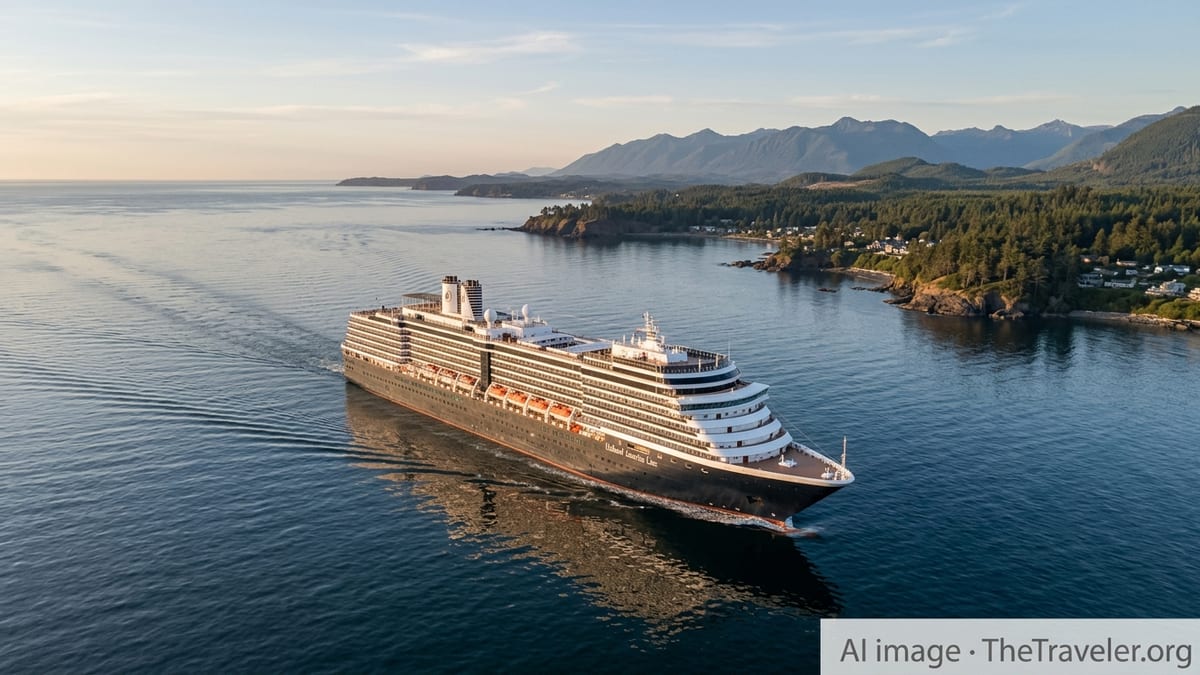
Noordam Shifts Focus to Pacific Gateways
The 1,918-passenger Noordam, a Vista-class ship launched in 2006 and most recently refreshed in 2024, is being woven more tightly into Holland America Line’s growing web of Mexico, Pacific Coast and Hawaii itineraries. Publicly available deployment planners for the 2025 to 2027 seasons show the ship cycling between marquee ports such as Seattle, Vancouver and San Diego as it transitions between Alaska summers and warm-weather sailings farther south.
Instead of remaining tied to a single homeport, Noordam is scheduled on a mix of seasonal routes that naturally require repositioning along the coast. Travel industry coverage and cruise line planners indicate that the ship will host Alaska voyages roundtrip from Seattle as well as longer “Legendary Voyage” itineraries reaching the Arctic Circle and Hawaii, before shifting back toward Southern California and British Columbia for shoulder-season sailings.
These movements effectively turn Noordam into a floating connector between some of the West Coast’s busiest and most competitive cruise hubs. Each repositioning segment helps fill gaps between marquee seasons, creating one-off coastal voyages that appeal to travelers looking for shorter, value-focused escapes or unusual port combinations rather than traditional roundtrip cruises.
While individual sailings can still change as schedules are refined, Noordam’s emerging pattern illustrates how cruise lines are using existing tonnage more dynamically, moving ships along the coast to chase shoulder-season demand and link North America’s Pacific gateways in new ways.
Repositioning Voyages Become Destination Experiences
Historically, repositioning cruises were marketed primarily as convenient ways to move a ship from one deployment region to another. Recent scheduling around Noordam and other Holland America vessels suggests that these journeys are now being treated as full-fledged destination products in their own right, especially along the Pacific Coast.
Schedules and promotional planners for the 2025 to 2027 seasons point to coastal itineraries that trace routes between San Diego, Vancouver and Seattle, often over several days with scenic daylight sailing past the California and Oregon coasts and through British Columbia’s island-studded waterways. Some itineraries layer in calls on San Francisco or Victoria, while others are positioned to connect seamlessly with Alaska or Mexico sailings.
By elevating these repositioning runs into curated coastal itineraries, cruise operators are tapping pent-up demand for West Coast travel without deploying new ships. Noordam’s schedule is a clear example of this strategy, transforming what would otherwise be operational transfers into marketable voyages that highlight wine regions, national parks access and iconic cityscapes along the Pacific Rim.
Travel planners note that these sailings often come with competitive pricing compared with traditional seven-night cruises, making them attractive to experienced cruisers looking for new routes as well as first-timers based in West Coast drive-to markets.
West Coast Ports Ride a Renewed Cruise Wave
Noordam’s repositioning movements are unfolding against a backdrop of significant growth for key West Coast ports. Recent port statistics indicate that San Diego expects close to 800,000 cruise passengers and nearly 200 ship calls in the 2025 to 2026 season, driven in part by expanded homeporting from multiple lines and a stronger mix of Mexico, Hawaii and coastal itineraries.
Vancouver and Seattle are also reinforcing their roles as gateway ports, especially for Alaska and longer Pacific voyages. Published cruise planners show an increased number of open-jaw itineraries between San Diego and Vancouver, along with one-way and roundtrip sailings from Seattle that give ships like Noordam additional flexibility to pivot between Alaska, Hawaii and Mexico seasons.
This network of itineraries effectively strings together the Pacific Coast’s major cruise hubs, with repositioning voyages providing the connective tissue. As Noordam and sister ships move between regions, they help distribute passenger traffic more evenly throughout the year, smoothing seasonal peaks and supporting tourism economies in multiple cities rather than concentrating activity solely in summer Alaska or winter Caribbean deployments.
The trend also aligns with investments ports have made in upgraded terminals and streamlined security and customs facilities, positioned to handle larger passenger volumes and more frequent shoulder-season calls.
Strategic Expansion Across Mexico, Hawaii and the Pacific Coast
Holland America Line has been steadily broadening its Mexico and Pacific Coast programs, and Noordam’s deployment is being integrated into this wider strategy. Company announcements and planning documents for the 2025 to 2028 seasons outline dozens of itineraries across the Mexican Riviera, the Sea of Cortez, Hawaii and the broader Pacific, many operating from West Coast homeports.
San Diego features prominently as a launch point for Mexico and Hawaii sailings, while Vancouver and Seattle anchor the northern end of the network with Alaska cruises and longer Pacific routes. Noordam is part of a five-ship rotation that also includes Eurodam, Koningsdam, Nieuw Amsterdam and Zaandam, a grouping that allows the line to maintain a near-continuous presence along the coast.
Within this framework, repositioning voyages are used to bridge complex schedules, opening up shorter coastal routes or extended one-way journeys that connect major seasons. As a result, travelers booking Noordam’s sailings in the coming years are more likely to encounter coastal repositioning options that can be paired with longer itineraries, creating back-to-back combinations that touch multiple regions in a single trip.
For the cruise line, this approach maximizes fleet utilization while showcasing its long-standing experience in West Coast waters, from British Columbia’s fjord-like channels to the sun-drenched ports of Baja California and mainland Mexico.
What Noordam’s Moves Mean for West Coast Travelers
The increasing prominence of Noordam’s repositioning cruises signals a wider shift in how the West Coast is being framed as a cruise destination. Instead of serving only as a gateway to Alaska or a seasonal embarkation point for Mexico, the region itself is being marketed as a standalone cruising playground, with coastal segments forming essential links between marquee itineraries.
For travelers based in cities such as Los Angeles, San Diego, Seattle and Vancouver, this creates more accessible options that do not require long-haul flights to Florida or Europe. Drive-to embarkation and shorter sailings allow cruisers to test the waters of longer itineraries, while seasoned passengers gain opportunities to explore familiar regions in new combinations, using repositioning legs as creative building blocks.
Industry observers also point to the role of these voyages in supporting year-round tourism along the Pacific Coast. Shoulder-season visits can bring added business to hotels, restaurants and tour operators that might previously have seen more pronounced off-peak lulls. As Noordam continues to swing between northern and southern deployments, each repositioning cruise helps anchor this emerging year-round cruise calendar for the West Coast.
With new seasons already on sale through the late 2020s, the pattern appears set to continue. Noordam’s evolving schedule hints at a future in which repositioning cruises are no longer an afterthought, but a cornerstone of how West Coast travel is experienced at sea.