

More news on this day
A Caribbean voyage aboard Princess Cruises’ Star Princess has been disrupted by a gastrointestinal illness outbreak, with more than 150 passengers and crew reportedly affected by suspected norovirus.
Get the latest news straight to your inbox!
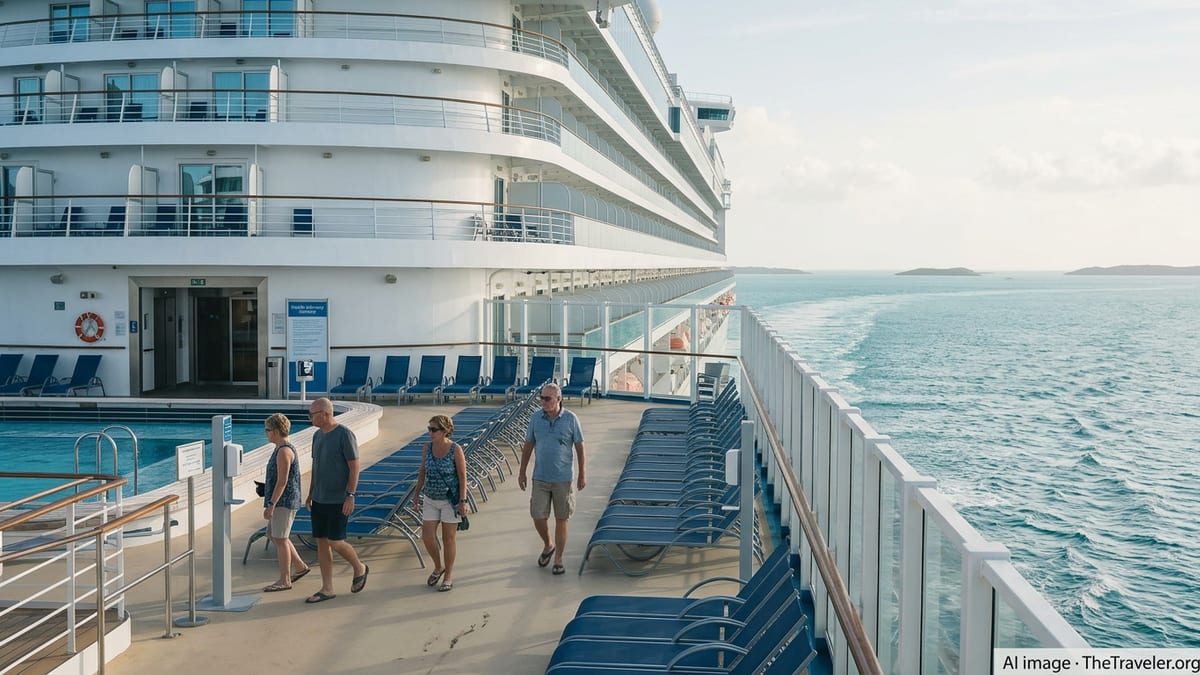
Caribbean Sailing Disrupted by Widespread Illness
The outbreak emerged during a seven night Caribbean itinerary that departed Fort Lauderdale’s Port Everglades on March 7, 2026. Publicly available itinerary data indicates that the ship has been operating round trip Caribbean cruises from South Florida, with the current voyage scheduled to return to Fort Lauderdale on March 14, 2026.
According to multiple news and passenger reports shared online, at least 153 guests and crew members have experienced symptoms consistent with norovirus, including vomiting and diarrhea. Social media posts and discussion threads from travelers booked on the next departure reference email notifications of “gastrointestinal illness” on board and enhanced sanitation measures ahead of embarkation.
Passenger accounts describe illness beginning to circulate several days into the cruise, with some guests choosing to remain in their cabins and others seeking medical care from the onboard medical center. While many cases are described as mild and short lived, others report more intense symptoms that temporarily curtailed their vacation plans.
The Star Princess, one of Princess Cruises’ newest and largest vessels, is sailing near full capacity at the height of the winter Caribbean season, increasing concern among travelers about the ease with which highly contagious norovirus can spread in a busy, enclosed environment.
Suspected Norovirus and Cruise Line Response
Reports indicate that the pattern and speed of transmission closely resemble typical norovirus outbreaks, a common cause of gastrointestinal illness on cruise ships. Norovirus is known for its extremely low infectious dose, rapid onset, and ability to spread through contaminated surfaces, food, water, and person-to-person contact.
Publicly available information and passenger descriptions suggest that standard cruise industry outbreak protocols have been activated on Star Princess. These measures typically include stepped up cleaning and disinfection of high touch surfaces, temporary adjustments to dining operations, and reminders to guests about frequent handwashing and use of hand sanitizer stations throughout the ship.
Travelers discussing the current voyage online mention more visible cleaning activity in public spaces, staff served service in buffet areas, and notices encouraging anyone with symptoms to report to the medical center and remain isolated in their cabins until at least 24 hours after symptoms subside. Such moves are consistent with practices outlined in health authority guidance for managing gastrointestinal illness outbreaks at sea.
While the exact proportion of affected guests compared with the total number on board has not been formally detailed in public health summaries, the figure of more than 150 cases places this incident among the more significant recent gastrointestinal events associated with a major cruise line in the Caribbean region.
Context: Norovirus and Cruise Travel
Norovirus has long been associated with cruise travel, not because ships are uniquely risky, but because large numbers of people share dining venues, public restrooms, and entertainment spaces in a confined setting. Public health data from similar outbreaks on other vessels show that even modest lapses in hand hygiene or surface sanitation can enable the virus to move quickly through a closed population.
Recent records of gastrointestinal events on other Princess Cruises ships, including previously documented norovirus outbreaks on Coral Princess, illustrate how even well established hygiene protocols may be challenged during peak travel seasons. Industry wide data over the past two decades show that multiple cruise ships each year report outbreaks to health authorities, most of which are attributed to norovirus.
Health agencies advise that careful handwashing with soap and water, particularly before eating and after using the restroom, remains the most effective way for travelers to reduce their personal risk. Alcohol based sanitizers can be a useful supplement but are not considered a complete substitute for thorough handwashing when norovirus is circulating.
Travel insurance policies and cruise line contract terms generally treat norovirus and similar gastrointestinal illnesses as known travel risks, and most affected guests recover within one to three days. However, for older travelers and those with underlying health conditions, the dehydration associated with severe vomiting and diarrhea can pose more serious concerns.
Impact on Guests and Upcoming Sailings
The outbreak has raised understandable anxiety among guests scheduled to embark on upcoming Star Princess voyages out of Fort Lauderdale. Discussion boards and social platforms show some travelers contemplating cancellations or last minute changes, while others indicate they plan to sail but with heightened attention to hygiene and possible itinerary adjustments.
Based on public information about standard cruise industry practices, ships experiencing recent gastrointestinal outbreaks often undergo intensified cleaning and disinfection between voyages. Turnaround days may involve additional time devoted to sanitizing cabins, dining rooms, public restrooms, and high traffic venues such as theaters, lounges, and kids’ clubs.
For guests already on board, the most immediate impacts tend to be changes to onboard routines rather than major itinerary overhauls. Previous outbreaks on other vessels have resulted in self service buffets being temporarily suspended, more frequent announcements emphasizing hand hygiene, and occasional limitations on certain group activities where close contact is unavoidable.
Some passengers sharing their experiences from the current Caribbean sailing report spending part of their cruise resting in their cabins or adjusting dining times and shore plans to accommodate illness and recovery. Others describe continuing to enjoy ports of call and entertainment, while remaining wary of potential exposure in crowded indoor spaces.
What Travelers Should Know Going Forward
The current situation aboard Star Princess highlights recurring questions for cruise travelers about how to assess health risks and make informed decisions when booking vacations at sea. Publicly available health guidance consistently emphasizes that gastrointestinal outbreaks can occur in any environment where people gather in large numbers, including resorts, schools, and hospitals, not just cruise ships.
Prospective guests considering Caribbean sailings on Star Princess and other large vessels in the coming weeks may wish to review cruise contract terms related to illness, understand any options for rebooking or credits in case of significant onboard outbreaks, and pay close attention to pre cruise communications about health protocols.
Travel medicine specialists typically recommend that cruise passengers stay well hydrated, practice meticulous hand hygiene, avoid touching the face with unwashed hands, and promptly report gastrointestinal symptoms so that onboard medical teams can advise on isolation and treatment. Families traveling with young children, older adults, or individuals with chronic health conditions may want to discuss personalized precautions with a healthcare provider before departure.
As Star Princess completes its current Caribbean itinerary and prepares for subsequent sailings, the handling of this outbreak will be closely watched by cruise watchers and prospective guests alike. For many travelers, the episode serves as a reminder that while cruises offer convenient access to multiple Caribbean destinations in a single trip, maintaining health at sea requires both robust shipboard protocols and consistent vigilance from passengers.