

More news on this day
A Caribbean cruise on Princess Cruises’ Star Princess has been hit by a norovirus outbreak that sickened 193 people on board, according to publicly available federal data and recent media coverage, drawing renewed attention to gastrointestinal illness risks at sea just months into the ship’s inaugural season.
Get the latest news straight to your inbox!
Outbreak Strikes New Flagship on Caribbean Itinerary
Publicly available information from the U.S. Centers for Disease Control and Prevention indicates that the norovirus outbreak occurred during a March 2026 Caribbean voyage of the Star Princess, one of Princess Cruises’ newest and largest ships. Reports describe at least 193 people falling ill, including both passengers and crew members, with symptoms consistent with acute gastrointestinal infection.
Coverage in major news outlets and cruise industry reports notes that the voyage carried more than 4,000 guests, along with several thousand crew, meaning the outbreak affected a minority of those on board but still exceeded typical thresholds used by health agencies to track gastrointestinal illness events on cruise ships. Norovirus, a highly contagious virus that spreads easily in shared spaces, is a leading cause of such outbreaks worldwide.
The cases were recorded over the course of the sailing as passengers and crew reported vomiting, diarrhea and related symptoms to the ship’s medical center. The pattern is consistent with previous cruise ship norovirus events, where infections often appear in clusters over several days as the virus passes from person to person in cabins, dining venues and common areas.
The incident unfolds as Star Princess is still in its first full season in the Caribbean after debuting in late 2025, adding scrutiny for a vessel that has been marketed as a next-generation flagship for the brand and a marquee ship on popular warm-weather routes.
Scope of Illness and How Norovirus Spreads on Ships
Norovirus is known for its short incubation period and intense but typically brief symptoms, often lasting one to three days. In the closed environment of a cruise ship, the virus can spread efficiently via contaminated surfaces, shared restrooms, buffet tongs, handrails and even through tiny particles released when an ill person vomits.
Health agencies describe norovirus as highly infectious, with only a small number of viral particles needed to cause illness. That reality helps explain why, even with routine sanitation and hand hygiene campaigns, outbreaks still occur on ships that otherwise meet modern public health standards. Cruise vessels, with thousands of people living, dining and recreating in close quarters, offer ideal conditions for the virus to move quickly once introduced.
Although the number of sickened guests and crew on Star Princess represents a fraction of those on board, the total exceeds typical reporting thresholds used by the CDC’s Vessel Sanitation Program. When gastrointestinal illness passes those levels, operators are expected to document case counts and control measures, and voyages may appear in public outbreak summaries.
For most healthy travelers, norovirus is unpleasant but self-limiting. However, young children, older adults and people with underlying conditions can face higher risks of dehydration and complications, prompting cruise lines to emphasize early reporting to medical staff and strict isolation for anyone with active symptoms.
Enhanced Cleaning and Onboard Health Protocols
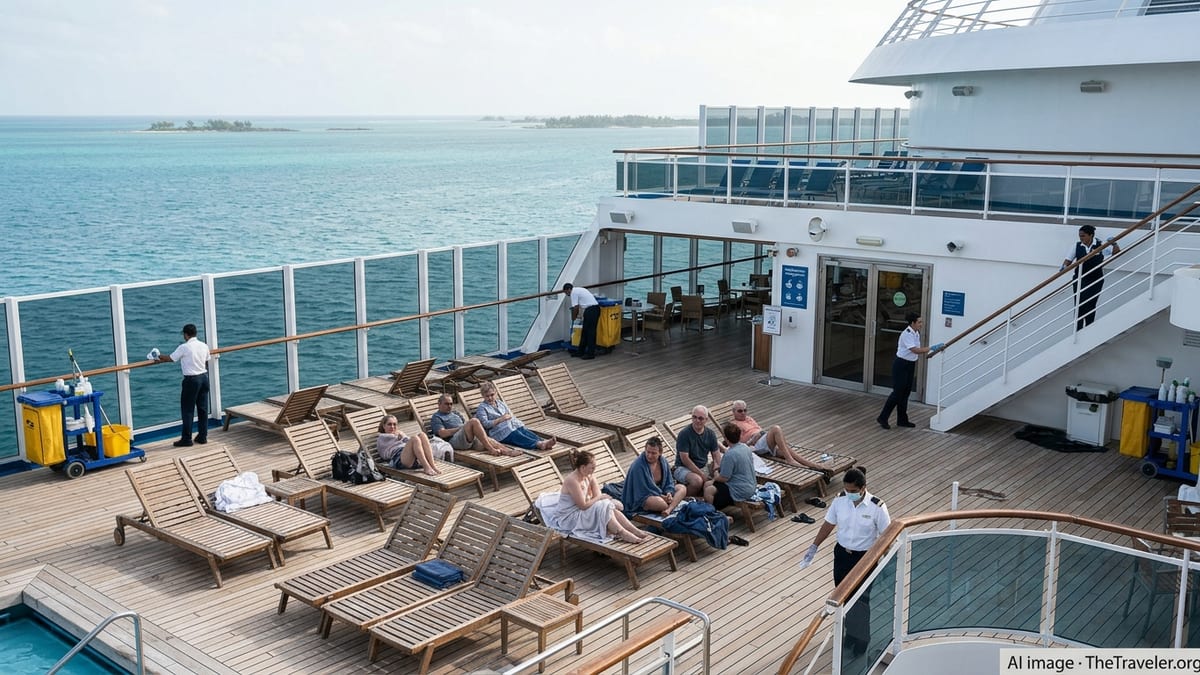
According to published coverage of the Star Princess sailing and accounts shared by recent passengers on cruise discussion forums, the outbreak triggered elevated onboard health protocols. These measures typically include more frequent disinfection of high-touch surfaces, visible cleaning crews in dining and public areas, and temporary adjustments to food service such as having staff, rather than guests, handle serving utensils.
Publicly available descriptions of Princess Cruises’ standard response plans note that cabins occupied by sick guests receive intensified cleaning with disinfectants effective against norovirus, and that individuals with symptoms are generally asked to remain in their staterooms for a period after they feel better to reduce the risk of further spread. Self-service items such as condiments and bread baskets may be removed from tables, and scheduled events can be modified to limit crowding.
While specific day-by-day details from this voyage remain limited to secondhand reports and summary data, the measures described align with broader cruise industry practices that have evolved over years of managing similar outbreaks. Operators have refined these playbooks in cooperation with public health authorities, adjusting everything from housekeeping routines to signage reminding guests to wash their hands with soap and water.
The elevated protocols typically remain in place for several days even after reported case numbers begin to decline, in an effort to break remaining chains of transmission. Some guests may experience minor service changes, such as longer waits in buffet areas or altered entertainment schedules, as crews prioritize sanitation tasks.
Regulatory Oversight and Reporting Thresholds
Cruise ships calling at U.S. ports fall under the CDC’s Vessel Sanitation Program, which monitors gastrointestinal illness trends and conducts regular inspections focused on food safety, water systems and overall hygiene. When the proportion of passengers or crew reporting symptoms on a voyage rises above set thresholds, the program’s public outbreak reporting guidelines call for detailed summaries to be posted and, in some cases, for enhanced collaboration with the cruise line.
Publicly available documentation explains that the goal is not to single out individual ships, but to improve transparency and encourage consistent responses across the industry. Travelers, cruise planners and health researchers use the data to track patterns over time, including seasonal spikes in norovirus activity that often appear during winter and early spring in the Northern Hemisphere.
Star Princess now joins a list of modern cruise vessels that have experienced norovirus outbreaks despite comprehensive sanitation protocols. Historical records show that such incidents have affected a range of brands and ship sizes, underscoring that the virus is an ongoing challenge for the sector rather than a problem limited to any single operator.
Regulators and cruise companies have used past outbreaks as case studies to refine inspection criteria, staff training and public communication strategies. Each high-profile event also tends to renew public debate about hygiene on large ships and the responsibilities of both operators and individual travelers in reducing infection risks.
What Travelers Should Know Before Sailing
The Star Princess outbreak is likely to prompt prospective cruisers to reexamine their own comfort levels with health risks at sea. Public health agencies continue to emphasize that norovirus is common in many environments, including schools, nursing homes, restaurants and resorts, not just cruise ships. However, potential guests may find value in reviewing a line’s illness policies, medical facilities and outbreak history when choosing an itinerary.
Travel health guidance generally highlights several practical steps for passengers: frequent handwashing with soap and water, especially before eating; avoiding touching the face; promptly reporting any gastrointestinal symptoms to the ship’s medical team; and being prepared to follow isolation instructions if illness occurs. Insurance that covers trip interruption and onboard medical care can also help travelers manage unexpected disruptions.
In the wake of this incident, future passengers on Star Princess and other large vessels can expect visible hygiene campaigns, from handwashing stations at dining entrances to announcements about respiratory and gastrointestinal etiquette. Many lines frame these efforts as a shared responsibility between crew and guests to keep ships as healthy as possible.
As Star Princess continues its schedule of Caribbean and upcoming seasonal deployments, the cruise community is likely to watch closely for any further reports of gastrointestinal illness. For now, the norovirus episode serves as a reminder that even the newest ships are not immune to a virus that remains one of the most persistent challenges in global travel.