

More news on this day
North Korea is gradually stitching itself back into the regional travel map alongside China, Japan, Hong Kong and Australia, but international leisure travelers remain largely stranded as tourism access stays tightly restricted and most visa applications are still refused or not accepted at all.
Get the latest news straight to your inbox!
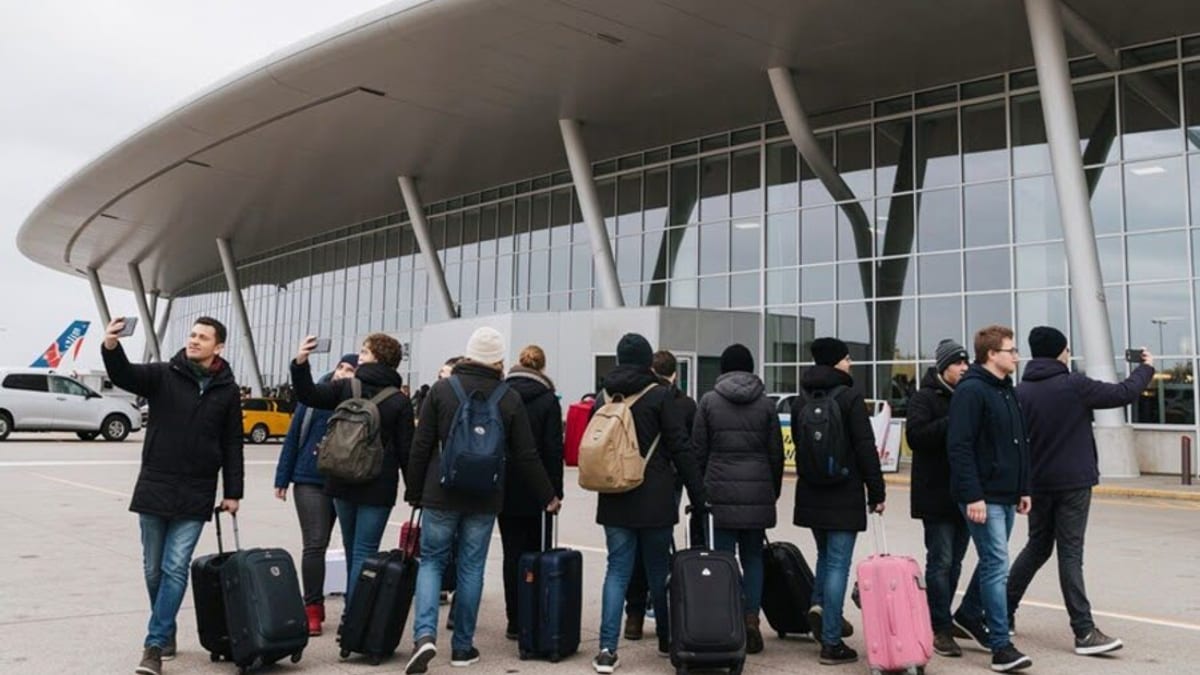
Image by Travel And Tour World
From Pandemic Fortress to Selective Reopening
When North Korea sealed its borders in early 2020, it did so more completely than almost any other destination, suspending commercial flights, halting cross-border trains and banning virtually all foreign visitors. Trade with China plunged, diplomatic rotations froze and a once-niche tourism industry catering to a few thousand foreign visitors a year vanished overnight.
Over the past two years, that posture has begun to shift. Publicly available information shows that North Korean nationals stranded abroad have been allowed to return, cross-border freight has increased and a small number of pre-approved foreign visitors tied to official exchanges or business activity have reappeared. Yet this movement falls far short of a broad reopening, and the country’s tourist visa system has not returned to its pre-pandemic routine.
In contrast, regional neighbors that once shared similarly strict controls have largely moved on. China dismantled nearly all COVID-era entry rules by 2023, progressively restoring visa-free arrangements and regular air links. Japan and Hong Kong reopened to international tourism that same year with testing rules later phased out. Australia ended its remaining pandemic-era entry requirements and welcomed back visitors at scale, helping to restore long-haul travel flows across the Asia-Pacific.
This divergence has left North Korea looking increasingly isolated. While airports in Beijing, Tokyo, Hong Kong and Sydney report visitor totals approaching or exceeding pre-pandemic levels, Pyongyang’s highly managed steps toward reopening remain cautious and tightly targeted at political and economic priorities rather than general tourism.
Trains, Flights and Bridges: Travel Links Restart for the Few
The clearest evidence of North Korea’s gradual reconnection with the outside world lies in its transport corridors. Chinese railway authorities recently announced the resumption of regular passenger trains between Beijing and Pyongyang, along with daily services linking the Chinese border city of Dandong with North Korea’s capital. Air China has followed by restoring direct flights on the Beijing–Pyongyang route, ending a years-long suspension.
To the north, Russia has re-emerged as another key travel partner. Russian carriers have resumed flights between Vladivostok and Pyongyang and introduced direct services from Moscow, largely serving Russian tourists, laborers and officials. On land, work is reported to be advancing on a new road bridge across the Tumen River to supplement the existing rail-only Friendship Bridge, with both projects framed as ways to expand cross-border trade and tightly managed travel.
Inside North Korea, the Rason Special Economic Zone and coastal resort projects near Wonsan have drawn particular attention from analysts. Travel industry updates suggest that Rason saw a brief, tightly controlled return of foreign visitors in 2025 before further restrictions were applied again. Large-scale resort infrastructure on the east coast has also experienced repeated opening delays, undercutting ambitions to attract more regional holidaymakers.
Despite these developments, access remains limited to a narrow band of travelers, such as Russian tour groups admitted under intergovernmental agreements or foreign business visitors invited directly by North Korean entities. For most would-be tourists from other countries, the practical impact of revived rail lines and flight schedules is minimal because the door at the immigration counter remains effectively closed.
Tourism Access: Open for Some, Closed for Most
Prior to the pandemic, specialized tour operators estimated that around 5,000 Western tourists visited North Korea annually, in addition to significantly larger numbers from China. These trips relied on a tightly regulated system of group itineraries, constant local accompaniment and visas issued as separate paper “tourist cards” rather than stamps in passports.
Today, industry advisories paint a very different picture. Several long-established North Korea travel agencies report that as of late 2025 and early 2026, standard tourist visas for non-Russian nationals are still not being issued. Company statements describe the border as technically open for North Koreans and selected foreign invitees, while conventional tourism remains suspended or subject to abrupt reversals.
Russian passport holders are the main exception. Organized Russian tour groups began returning in early 2024 for winter sports, city sightseeing and coastal excursions, often framed as part of broader political and economic cooperation between Moscow and Pyongyang. However, attempts to extend similar access to travelers from Europe, North America or other parts of Asia have repeatedly stalled, with some initial trial tours reportedly halted after only a few weeks.
Reports from regional outlets also indicate that a small number of Chinese nationals have tried to enter North Korea on business or cultural exchange visas that double as de facto tourist permits. North Korean authorities are described as increasingly wary of this practice, and scrutiny of visa use has intensified, underscoring Pyongyang’s determination to keep a tight grip on who crosses its borders and why.
Regional Reopening Highlights North Korea’s Isolation
The rigidity of North Korea’s tourism stance stands out even more sharply when set against the wider region’s travel rebound. China, once home to some of the world’s strictest inbound quarantine policies, has reopened to foreign tourists, reinstated short-stay visa waivers for multiple nationalities and encouraged outbound group tours. Flight capacity between Chinese cities and global hubs has climbed steadily, and cross-border train services with neighbors such as Russia, Vietnam and Kazakhstan are largely back in operation.
Japan has moved from total closure to full reopening, restoring visa exemptions for many travelers and reactivating a tourism sector that broke arrival records before 2020. Hong Kong, after prolonged restrictions that decimated its role as a regional aviation hub, has aggressively promoted itself again as an easy-entry gateway between East and West. Australia, for its part, has leaned on its vaccinated population and flexible border policy to bring back long-haul visitors, students and working holidaymakers in large numbers.
In this environment, North Korea’s pathway appears almost inverted. Instead of using tourism as a fast track to recovery, authorities have prioritized limited travel corridors aligned with strategic partnerships, especially with Russia and China, while keeping broader tourism on hold. Regional airlines, hotel groups and tour operators have largely written North Korea out of their near-term growth plans, focusing instead on destinations where entry rules are predictable and demand more robust.
For travelers, the contrast is stark. A visitor can now fly visa-free or with simplified electronic authorization to many destinations in East Asia and the Pacific, yet has virtually no legal means to book a conventional tourist trip to Pyongyang, Rason or North Korea’s coastal resorts unless they hold a Russian passport and secure a place on a rare, state-approved tour.
Uncertain Outlook for Would-Be Visitors
Looking ahead, there are signs that tourism remains part of North Korea’s long-term economic strategy, even if the short-term outlook is murky. The scale of resort construction, the investment in transport links and continued references in state media to tourism potential all suggest that planners in Pyongyang see value in eventually attracting more foreign visitors.
However, recent history points to a stop-start trajectory. Limited reopenings have been followed by sudden suspensions, and announcements of new tour programs have not always translated into sustained access. Analysts who monitor cross-border trade and aviation data note that broader geopolitical dynamics, including North Korea’s closer alignment with Russia and ongoing tensions with the United States and its allies, are likely to shape any future relaxation of tourist controls.
For now, travel advisories from multiple governments continue to warn against visits to North Korea, citing risks ranging from arbitrary detention to the absence of consular support. In some cases, such as the United States, direct bans on using national passports for travel to North Korea remain in force, further limiting the potential pool of international visitors even if Pyongyang were to open its doors more widely.
Until there is a clear and sustained policy shift, the country’s cautious reopening will largely benefit returning citizens, tightly managed business travelers and a narrow segment of Russian tourists. In a region that has otherwise raced to revive cross-border tourism, North Korea’s border regime remains one of the most restrictive anywhere in the world.