

More news on this day
Norwegian Cruise Line is reinforcing its age requirements and tightening elements of its dinner dress code as the brand prepares to welcome large numbers of families and college travelers for the upcoming spring break cruise season.
Get the latest news straight to your inbox!
Clearer Expectations for Young Travelers and Their Parents
Publicly available policy information shows that Norwegian Cruise Line is using the lead-up to spring break to highlight existing age rules that can surprise first-time cruisers. The company classifies anyone under 21 as a minor for onboard purposes, which affects how cabins are assigned, who can book staterooms alone and how alcohol is served across the fleet.
The line’s health, safety and conduct materials indicate that guests under 21 generally must share a stateroom, or a directly connecting one, with someone at least 21 years old at the time of boarding. Exceptions are made only in specific circumstances, such as married couples who can present proof of marriage even if both partners are under 21. These details are drawing renewed attention as multigenerational groups and college-age passengers finalize spring break plans.
Norwegian’s guest conduct documentation also sets a late-night curfew for younger passengers. Guidance on the company’s frequently asked questions pages notes that guests under 18 are not permitted in public areas after 1 a.m. unless accompanied by a parent or guardian or taking part in an organized youth activity. The curfew is framed as a way to balance teen freedom with the quiet many adults expect late at night on board.
Additional age-linked rules apply to specific venues and amenities, including casinos, nightclubs and spas. Age minimums generally begin at 18 for casinos and adult nightlife spaces, and 16 to 18 for fitness centers and spas, with stricter limits for hot tubs and pools. These longstanding rules are being amplified ahead of spring sailings when ships often carry a higher proportion of teenagers and young adults.
Alcohol Policies Under the Spring Break Spotlight
As more college students and young adults look to cruises as an alternative to land-based spring break destinations, Norwegian’s alcohol policies are also receiving renewed scrutiny. The line’s ticket contracts and guest conduct policies outline a tiered approach to drinking ages that reflects different homeports and itineraries.
In most cases, guests must be 21 or older to purchase and consume spirits and mixed drinks on board. For beer and wine, certain sailings permit guests aged 18 to 20 to drink if they are sailing with a parent or legal guardian who provides written consent, and typically only when the ship is in international waters. These provisions vary by region, with some itineraries, such as Alaska and Hawaii, maintaining a strict minimum age of 21 for all alcoholic beverages.
Norwegian also restricts what guests can bring on board, limiting outside beverages and reserving alcohol sales primarily for onboard bars and lounges. The company states that these rules are designed to support responsible drinking and give crew better oversight of alcohol use, an important concern on sailings that attract large numbers of young adults on break from school.
For parents and group organizers planning spring break voyages, travel advisories and cruise forums indicate that understanding these distinctions in advance can help avoid disappointment at embarkation and reduce the risk of conflicts over underage drinking on board.
Refined Dinner Dress Code After Period of Confusion
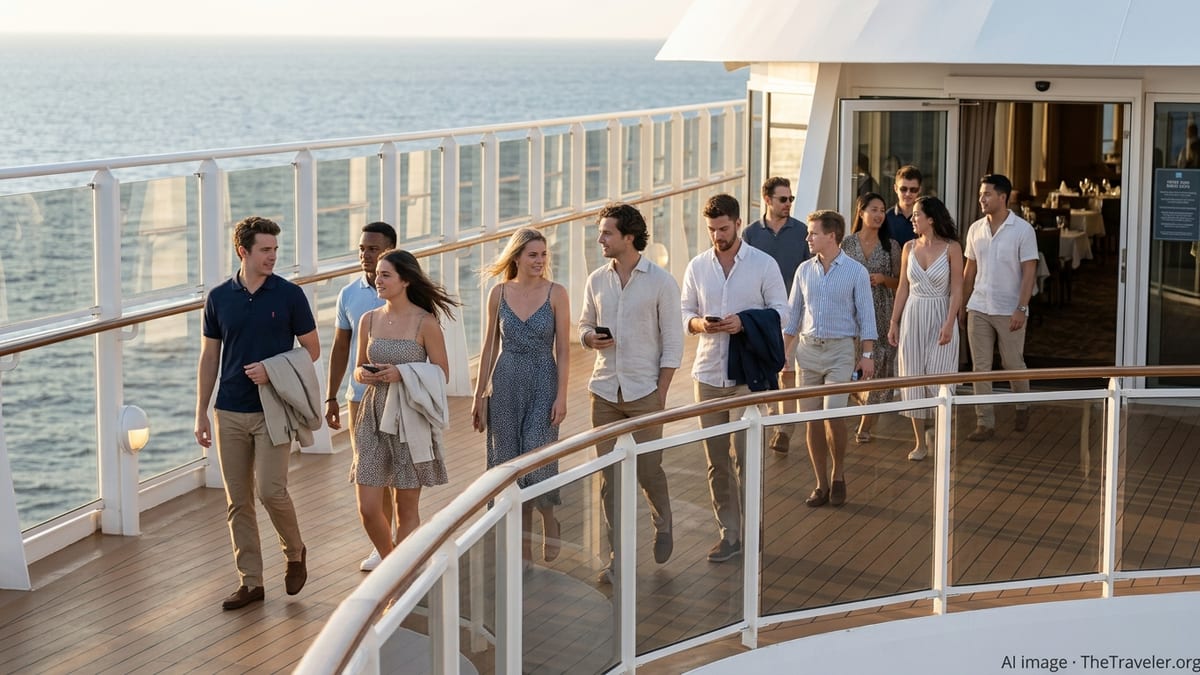
While Norwegian has spent years promoting “freestyle” cruising that emphasizes relaxed attire, the line has recently refined its dress expectations for certain venues, prompting questions ahead of spring sailings. According to current policy language highlighted in recent consumer coverage, several specialty and premium restaurants now expect guests to arrive in more formal or “smart casual” clothing during dinner service.
Reports indicate that the updated guidelines limit clothing associated with very casual vacation wear in these venues. Items such as tank tops for men, baseball caps, heavily distressed or low-slung jeans and some styles of shorts may be declined at select restaurants in the evenings. Separate reports suggest that flip-flops and beach-style footwear can also be restricted in higher-end dining rooms even as Norwegian marketing continues to feature them in broader “freestyle” messaging.
Coverage from cruise industry outlets and general travel media describes the changes as selective rather than fleetwide. Buffet areas and most complimentary dining rooms continue to welcome casual resort wear, while the stricter rules apply to a list of named specialty venues, such as steakhouse and French-inspired restaurants, along with private dining spaces in premium accommodation complexes.
The shift has generated discussion among frequent cruisers, with some observers noting that the new rules appear at odds with older promotional campaigns that emphasized minimal dress restrictions. For spring break travelers, this means paying closer attention to restaurant-specific guidance when packing evening outfits, particularly for ships with multiple specialty venues.
How New Dress Guidance Fits Norwegian’s “Freestyle” Image
The refinements to Norwegian’s dress expectations have prompted debate about how far a brand built on casual cruising can move toward formality without losing its identity. Commentary in travel sections and cruise forums suggests that the line is aiming for a middle ground: keeping daytime and most venues relaxed while signaling that certain dining rooms are intended to feel more upscale.
Public-facing packing and policy pages now emphasize terms such as “smart casual” for these restaurants, suggesting collared shirts, dress shorts or trousers, casual dresses and closed-toe shoes, while stopping short of requiring jackets, ties or evening gowns. This approach appears designed to differentiate Norwegian from lines with strict formal nights while still preserving a sense of occasion in higher-priced venues.
For spring break guests accustomed to land-based resorts where flip-flops and swim cover-ups are common at dinner, this distinction may be new. Travel advisors and online planning resources are urging passengers to review the specific dress suggestions attached to each restaurant before sailing, particularly if they have prepaid for specialty dining packages that include premium venues with tighter standards.
At the same time, Norwegian’s broader messaging continues to highlight flexibility. The majority of onboard spaces, including pool decks, casual bars and buffet restaurants, still accept informal clothing throughout the day and evening, which remains a key part of the line’s appeal to families and younger travelers.
What Spring Break Cruisers Should Know Before Boarding
For travelers planning a Norwegian cruise during the busy March and April period, current guidance suggests a few practical takeaways. First, families and groups with teenagers and young adults are encouraged to review age rules covering cabin occupancy, curfews and access to adult-only venues to ensure that room assignments and expectations align with company policy.
Second, young adults hoping to consume alcohol on board should be aware of regional differences and the requirements for parental consent on eligible itineraries. Because enforcement is tied to the legal framework of departure and destination ports, assumptions based on land-based experiences may not apply at sea.
Third, passengers intending to dine in the line’s higher-end specialty restaurants may want to pack at least one or two evening outfits that meet the “smart casual” description now associated with those venues. That can mean avoiding beachwear, logo-heavy tank tops and highly distressed denim at dinner in those spaces, even if such items are acceptable elsewhere on the ship.
As ships prepare for an influx of spring break travelers, Norwegian’s recent emphasis on age rules and refined dress guidance signals an effort to balance its casual brand image with safety, order and a consistent onboard atmosphere across a diverse passenger mix.