

More news on this day
Norwegian Cruise Line is introducing stricter dress guidelines across many of its most upscale shipboard restaurants, signaling a move toward more formal luxury dining even as the brand continues to market its relaxed “Freestyle Cruising” concept.
Get the latest news straight to your inbox!
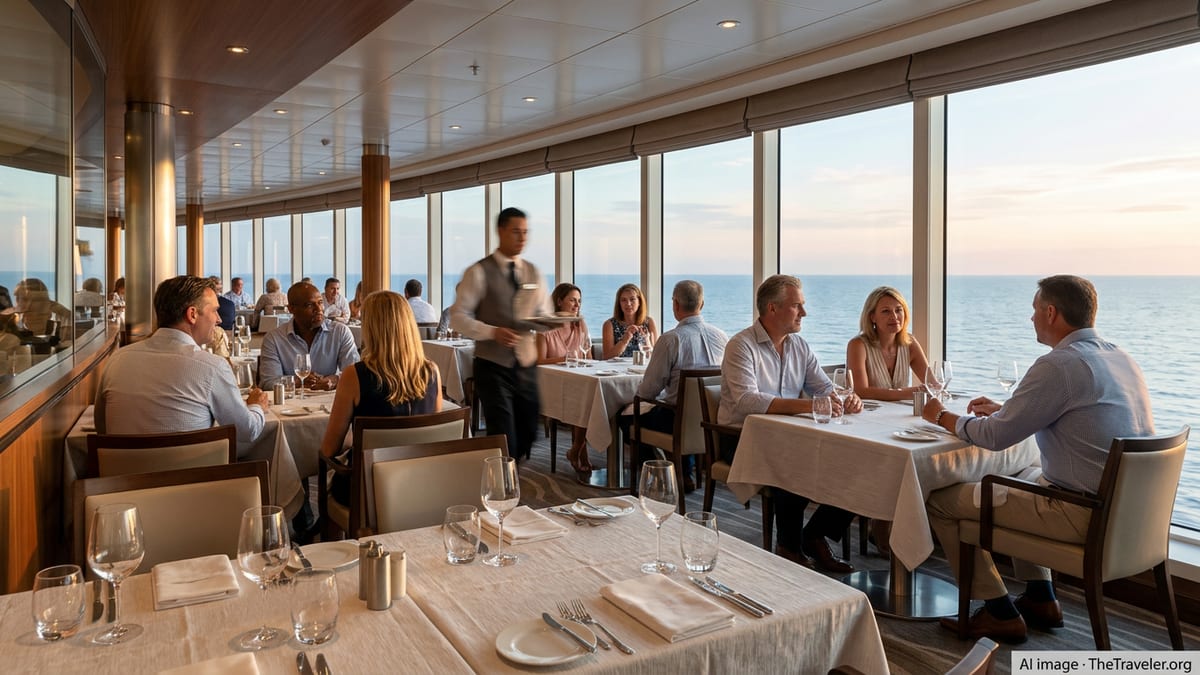
New Rules for Premium Restaurants Across the Fleet
Publicly available policy updates and travel industry coverage indicate that Norwegian Cruise Line has tightened dress expectations at several of its highest-end dining venues, including Cagney’s Steakhouse, Le Bistro, Palomar, Onda by Scarpetta, Ocean Blue and The Haven Restaurant. These restaurants, positioned as the most elevated culinary experiences on board, are now subject to clearer and more restrictive guidelines than the rest of the fleet’s eateries.
Reports describe the revised rules as focusing on “cruise casual” or above in these venues during dinner service. That generally means collared shirts or elegant tops, tailored trousers or non-ripped jeans, dresses or skirts, and closed-toe shoes, particularly for evening meals. Clothing that reads as poolside, athletic or beachwear is being discouraged or prohibited in these spaces.
The shift represents a notable change in emphasis for a brand that helped popularize casual, no-formal-night itineraries. While Norwegian has long had some expectations in place for its French restaurant Le Bistro, recent reports show that similar standards are now being applied more consistently across additional specialty dining rooms on ships worldwide.
Industry observers note that, unlike traditional cruise formal nights that apply shipwide, the Norwegian update is tightly focused on specific premium restaurants. Other venues, including main dining rooms, buffets and casual bars, are widely reported to remain far more relaxed, preserving much of the line’s hallmark flexibility.
What Is No Longer Allowed in Upscale Dining Rooms
Cruise coverage and passenger accounts highlight that the most visible changes involve the removal of certain casual items from Norwegian’s top-tier restaurants. Shorts, gym wear, swimwear, flip-flops and very casual sandals are now described as out of step with the evening expectations in these venues, particularly at dinner.
Reports indicate that guests wearing beach cover-ups, tank tops, baseball caps, ripped denim, athletic jerseys or clothing that appears overly distressed may be asked to opt for more polished alternatives when dining in these restaurants. The policy language emphasizes maintaining an atmosphere in line with a modern steakhouse or upscale urban bistro rather than a pool deck or sports bar.
At the same time, Norwegian’s updated guidance still stops short of requiring traditional cruise formalwear for these venues. Jackets and ties are not universally mandated, and cocktail dresses, smart separates and well-kept jeans paired with dress shoes continue to be depicted as acceptable. The emphasis is on neat, put-together outfits that match the raised culinary and service standards the line promotes in its specialty portfolio.
Analysts suggest that this approach allows Norwegian to sharpen the sense of occasion in its premium restaurants while avoiding a full return to the highly prescriptive dress codes that many contemporary cruisers have moved away from in recent years.
Balancing “Freestyle Cruising” With Elevated Ambience
The new guidelines have drawn particular attention because they intersect directly with Norwegian’s long-standing “Freestyle Cruising” identity. For years, the company has highlighted that guests could dine without packing formal outfits, a message that resonated strongly with travelers seeking a more relaxed holiday.
Recent coverage notes, however, that the line is now attempting to fine-tune that promise. The broader shipboard atmosphere remains casual, with most restaurants, lounges and open decks still embracing resort-style attire. The stricter expectations are concentrated in a handful of specialty restaurants that Norwegian positions as comparable to fine-dining venues found in major cities on land.
Travel and consumer commentary suggests the company is aiming to align dress, service and pricing in these spaces. Specialty restaurants often carry additional charges or are included only through dining packages, and the refined dress guidance is being framed as one element in ensuring a consistently high-end experience for guests choosing to dine there.
Industry analysts point out that Norwegian is not alone in facing this balancing act. Across the cruise sector, brands that built reputations on casual flexibility are now experimenting with differentiated onboard zones, where certain venues feel more polished and exclusive while the rest of the ship retains a laid-back vibe.
Mixed Passenger Reactions as Policies Roll Out
Reaction from travelers has been mixed, according to online forums, social media posts and travel media summaries. Some guests welcome the changes, expressing that elevated restaurants lose their sense of occasion when neighboring tables feature pool attire or beach footwear. For these cruisers, the refreshed policy is seen as a long overdue clarification that supports the premium positioning of Norwegian’s top dining rooms.
Others are less enthusiastic, arguing that tighter rules sit uneasily with marketing that continues to emphasize freedom from traditional cruise formality. Some online commenters worry that they may need to pack additional outfits or that enforcement could be inconsistent between ships and even between staff members on the same voyage.
Debate has also focused on the potential for confusion. Coverage notes that Norwegian operates a wide range of venues, each with slightly different expectations, and that guests need to pay closer attention than before to the guidelines listed in pre-cruise documents, onboard apps and restaurant descriptions. Travel writers advise passengers who rely heavily on specialty restaurants to review current policies shortly before sailing, as cruise lines can fine-tune wording over time.
Despite the disagreements, many observers note that Norwegian’s updated policies still remain less rigid than formal programs on some competing lines. The new rules largely ask guests to dress as they might for an upscale restaurant ashore, rather than adopting tuxedos or evening gowns.
What Cruise Travelers Should Know Before Sailing
For travelers planning an upcoming Norwegian Cruise Line voyage, the emerging consensus from travel media and cruise advisors is that wardrobe planning now requires a slightly more deliberate approach, especially for those booking multiple evenings in specialty venues. Packing a mix of smart-casual outfits, including collared shirts, blouses, long trousers, dresses or skirts, and comfortable closed-toe shoes, will allow guests to meet expectations in both premium restaurants and main dining rooms.
Guests who prefer a very casual approach to evenings may wish to focus on Norwegian’s more relaxed venues, such as buffets, food halls and pub-style spaces, which reports indicate remain friendly to shorts and informal footwear. Many of these locations still offer extended hours, diverse menus and no additional charges, preserving the brand’s hallmark flexibility.
Travel commentators also note that, as with any evolving cruise policy, there may be differences in how guidelines feel from ship to ship or sailing to sailing. Paying attention to current information released close to departure and observing posted signage outside individual restaurants can help guests avoid surprises at the host stand.
As expectations for luxury travel continue to rise, Norwegian’s updated dining dress guidelines highlight a broader shift across the cruise industry. Even lines known for relaxed atmospheres are refining certain spaces to deliver a more polished, special-occasion experience, asking guests to meet them halfway by dressing the part in select venues while keeping the rest of life at sea comfortably casual.