

More news on this day
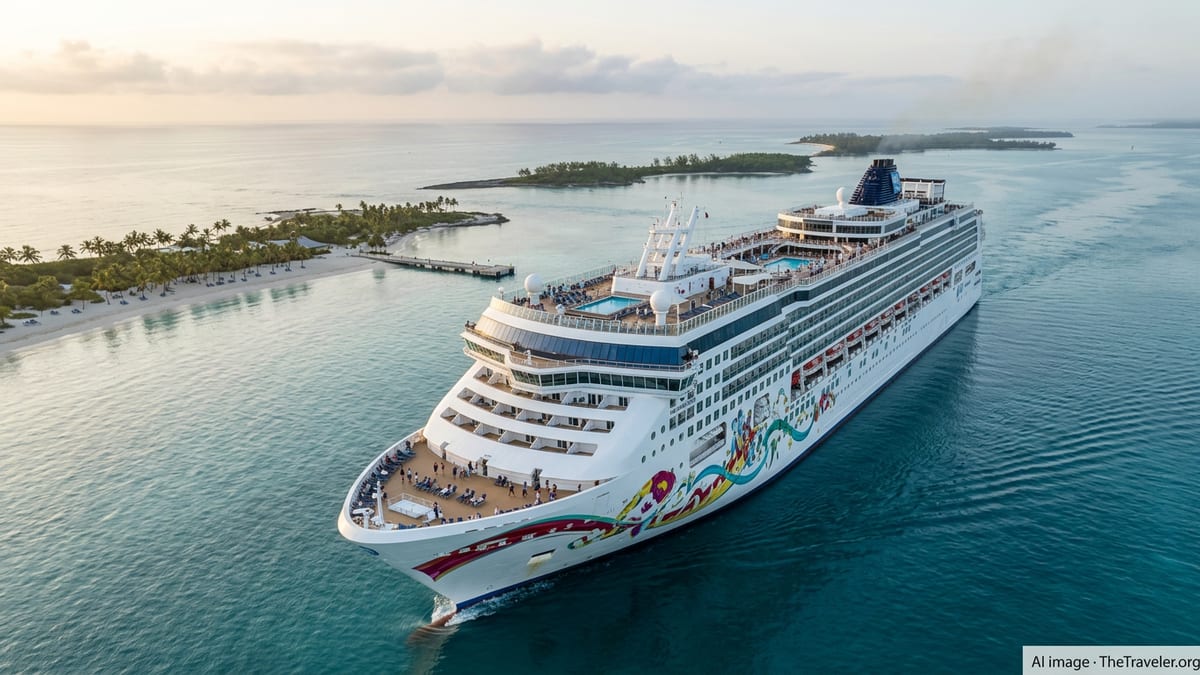
Norwegian Cruise Line is preparing to welcome Norwegian Luna, its newest Prima Plus class ship, in 2026, positioning the vessel as a high-profile catalyst for Caribbean and global cruise tourism with a slate of new onboard experiences and sea-focused itineraries.
Get the latest news straight to your inbox!
New Prima Plus Flagship Set for 2026 Debut
Norwegian Luna, the 21st ship in Norwegian Cruise Line’s fleet and the second in its expanded Prima Plus class, is scheduled to enter service in spring 2026 following construction at Fincantieri’s Marghera yard near Venice. As sister ship to Norwegian Aqua, Luna continues the line’s strategy of rolling out larger, amenity-rich vessels designed to capture rising demand on key leisure routes.
The ship is slated to cross the Atlantic on a maiden voyage from Civitavecchia, the port for Rome, to Miami in March 2026, before beginning a season of weeklong Caribbean cruises. Industry order books show Luna as part of a focused wave of new capacity in 2026, with operators betting on sustained appetite for resort-style ships that double as destinations at sea.
With gross tonnage expected to exceed 156,000 and capacity for more than 3,500 guests at double occupancy, Norwegian Luna is being positioned as a high-yield workhorse on popular warm-weather itineraries while also serving as a showcase for Norwegian’s latest hardware and hospitality concepts.
The launch comes as the cruise sector continues to report record bookings, particularly on Caribbean sailings. Trade bodies project that global passenger volumes will surpass pre-2020 levels through 2026, with new tonnage such as Norwegian Luna central to cruise lines’ plans to expand itineraries and homeport deployments.
Innovative Onboard Experiences Designed Around the Sea
Norwegian Luna will mirror and extend many of the headline features introduced on Prima and Aqua, with a design that emphasizes expansive outdoor space, water-facing lounges and elevated wellness and entertainment venues. Early previews highlight a widened promenade wrapping around the ship, lined with al fresco dining, infinity pools and glass-fronted lounges intended to keep guests visually connected to the ocean throughout the day.
The expansive Mandara Spa and thermal suite, already a signature of the Prima platform, returns on Luna with enhanced capacity and upgraded relaxation areas. Additional heated loungers, expanded thermal zones and a focus on quieter, adult-centric spaces respond to guest feedback from earlier ships and reflect Norwegian’s efforts to appeal to wellness-focused travelers seeking sea days that feel like time in a high-end land-based resort.
On the recreation side, the line is refining some of its most talked-about offerings. Plans call for a larger outdoor mini-golf experience, upgraded top-deck activity zones and reconfigured pool areas designed to better manage crowd flow on sea days. These elements, combined with redesigned sun decks and a premium Vibe Beach Club, are intended to keep guests on board more engaged, lengthening dwell time in revenue-generating venues from bars to specialty dining.
Culinary options are expected to lean heavily on the diversified restaurant mix that has become a hallmark of Norwegian’s new builds, including expanded food halls, globally inspired specialty venues and open-kitchen concepts. The strategy is to deliver variety without sacrificing intimacy, with several smaller spaces rather than a handful of very large dining rooms.
Entertainment and Accommodation Upgrades Target Higher-Yield Guests
Entertainment on Norwegian Luna is being framed as an evolution rather than a repeat of existing offerings, with new mainstage productions and expanded use of immersive technology to reconfigure venues between performances, late-night music and themed events. The goal is to keep spaces active from morning to midnight while offering distinct experiences to different traveler segments, from families to adult couples.
The ship will also feature a broad spectrum of stateroom categories, with particular emphasis on suites and premium accommodations. Norwegian’s Haven complex, the private-access suite enclave at the top of the ship, is expected to include some of the largest suites in the fleet, an exclusive infinity pool, dedicated restaurant and lounge, and butler service. These high-yield cabins are central to the line’s financial model, capturing luxury pricing within a larger contemporary ship.
Balcony and oceanview staterooms are being marketed with a focus on open-air living, leveraging the ship’s profile and extended deck plan to deliver more cabins with direct sea views. Inside cabins, meanwhile, are expected to benefit from refreshed design, improved storage and upgraded in-room technology, all intended to raise guest satisfaction and repeat bookings even at entry-level price points.
By pairing upgraded accommodations with refreshed entertainment and dining, Norwegian aims to position Luna as a ship that can support both short, high-energy holiday cruises and longer itineraries attractive to seasoned travelers, thereby smoothing demand across different seasons and markets.
Boosting Caribbean Capacity and Private Island Tourism
Once in North America, Norwegian Luna will homeport in Miami for a series of seven-day Caribbean sailings through at least late 2026, according to current schedules. These itineraries are expected to include marquee ports such as Cozumel, St Thomas and Tortola, as well as calls at the line’s private destinations in the Bahamas, which have become key differentiators in the increasingly crowded Caribbean cruise marketplace.
With thousands of lower berths coming online aboard Luna, Norwegian is set to meaningfully expand its Caribbean footprint at a time when the region remains the most popular cruise destination globally. Port authorities in Florida and across the Caribbean have been investing in larger berths, enhanced terminals and shore power capabilities to accommodate the new generation of ships, with Luna among the vessels expected to benefit from these upgrades.
Private island calls, in particular, are central to Norwegian’s deployment strategy. These stops allow the line to control more of the guest experience, from shore activities to food and beverage, while reducing operational constraints linked to congestion at popular public ports. For destinations, the steady flow of calls by large ships like Norwegian Luna can provide a reliable economic boost, supporting local excursion operators, transport providers and provisioning businesses.
Industry analysts view Luna’s arrival in the Caribbean as another step in an arms race among major brands to offer more immersive, resort-style short cruises that compete directly with land-based vacations in Florida and Mexico. The combination of upgraded onboard product and curated private island experiences is seen as a formula for capturing both first-time cruisers and repeat guests seeking new hardware.
Global Deployment to Support Broader Cruise Tourism Growth
While Norwegian Luna will spend its inaugural year focused on the Caribbean, the ship is expected to play a role in Norwegian Cruise Line’s broader global deployment strategy over its lifetime. The Prima Plus platform has been designed with flexibility in mind, making Luna suitable for eventual summer seasons in Europe, repositioning voyages across the Atlantic and possibly itineraries in regions such as South America or the Mediterranean shoulder seasons.
Industry order books show Norwegian among several major operators steadily refreshing and expanding their fleets through the late 2020s, a trend that supports long-range planning for port communities worldwide. As Luna and subsequent newbuilds enter service, destinations that invest in cruise infrastructure, shore excursion development and environmental management are poised to capture a greater share of visitor spending.
Norwegian has signaled a continued commitment to emissions reductions and efficiency improvements across its new ships, and Luna is expected to incorporate energy-saving technologies ranging from optimized hull design to advanced waste heat recovery and alternative fuel readiness. Such features are increasingly important to port cities that are balancing economic benefits from cruise tourism with environmental and community impacts.
For travelers, the arrival of Norwegian Luna in 2026 translates into more choices in ship style, itinerary design and onboard experience, particularly in the Caribbean. For destinations, it represents another high-capacity, high-profile vessel that can help drive visitor numbers and tourism revenues, reinforcing the cruise sector’s role as a pillar of the global travel economy.