

More news on this day
Guwahati’s dining scene is turning its gaze westward this week as Novotel Guwahati GS Road rolls out a dedicated Royal Rajasthani food festival, inviting city diners to experience the opulent flavours and traditions of India’s desert state through a limited-time, week-long culinary showcase.
Get the latest news straight to your inbox!
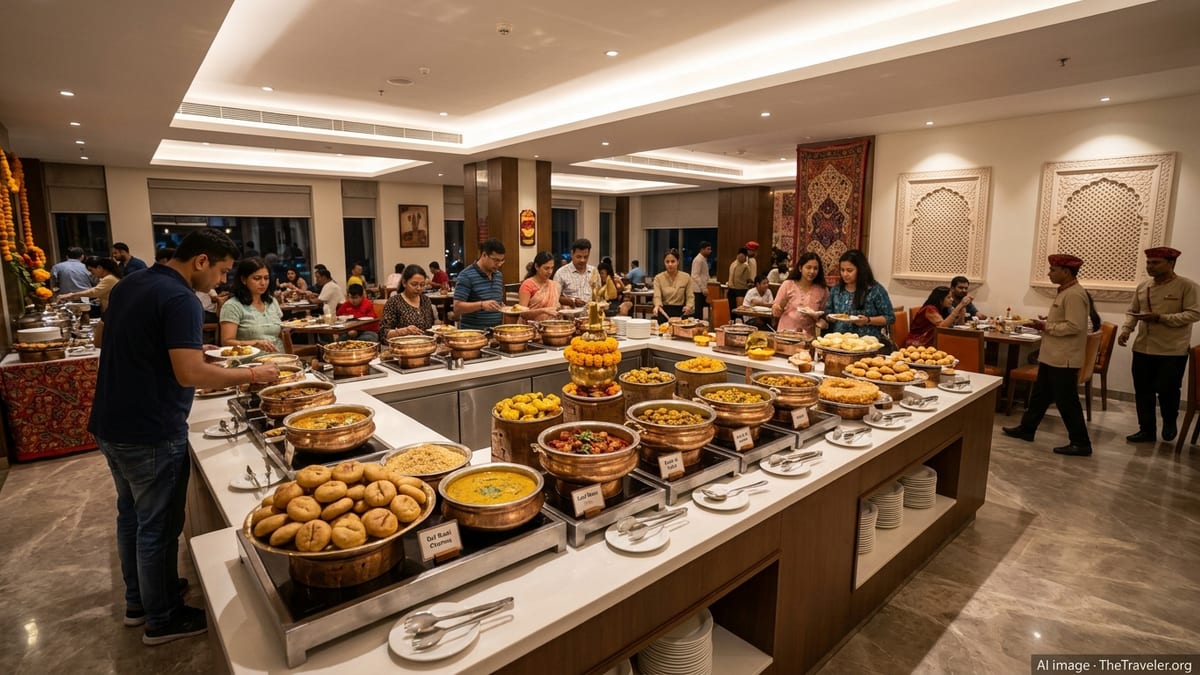
Royal Rajasthani Cuisine Comes to Assam’s Gateway City
The Royal Rajasthani showcase at Novotel Guwahati is designed as a focused introduction to the state’s rich culinary legacy for diners in Assam’s largest city. Publicly available information indicates that the hotel’s signature all-day dining restaurant is hosting the festival as a themed promotion, positioning it as a special feature within its regular buffet and à la carte format.
Rajasthani cuisine is renowned for its robust flavours, ingenious use of scarce ingredients and a repertoire that spans both royal kitchens and rustic desert homes. The Novotel promotion draws inspiration from this breadth, highlighting dishes that have long been associated with festive tables and ceremonial thalis in cities such as Jaipur, Jodhpur and Udaipur.
For Guwahati, which has seen a steady expansion of premium dining options in recent years, the festival underlines how international hotel brands are using regional Indian food narratives to differentiate their offerings. The focus on Rajasthan’s royal flavours taps into strong traveller interest in heritage experiences, while appealing to local diners curious about traditional recipes from beyond the Northeast.
Signature Dishes Evoke Palaces and Desert Hearths
The curated menu for the Royal Rajasthani promotion leans on classics that have become shorthand for the state’s food culture. Diners can expect variations of dal baati churma, the celebrated trio of smoky lentils, ghee-soaked baked wheat dumplings and sweetened crumb, widely regarded as one of Rajasthan’s most iconic combinations.
Vegetarian preparations such as gatte ki sabzi, featuring gram flour dumplings simmered in a yoghurt-based gravy, and ker sangri, a tangy preparation of dried desert berries and beans, typically represent the ingenuity of arid-region cooking. These sit alongside richer dishes that trace their origins to royal hunting lodges and palace kitchens, including laal maas, a fiery meat curry traditionally associated with Rajput households.
The dessert selection draws on festival favourites like ghevar and mawa kachori, sweets that have moved from seasonal specialty to year-round ambassadors of the state’s culinary identity. By placing these together in a single promotion, Novotel’s chefs are creating what amounts to a compact tasting tour of Rajasthan, adapted to buffet-friendly formats for Guwahati audiences.
Immersive Décor and Service Add to Themed Experience
While the food remains the focal point, the Royal Rajasthani week also leans on décor and service touches to reinforce the theme. Public coverage of similar hotel festivals in India shows that properties often use elements such as jharokha-style backdrops, patterned textiles, brass tableware and folk-inspired motifs to evoke the architecture and craft traditions of Rajasthan’s forts and havelis.
In Guwahati, the promotion is expected to follow this template, with staff attire, table settings and live counters adapted to create a sense of place without overpowering the dining room’s existing contemporary design. The objective is to offer a visual and sensory cue that distinguishes festival evenings from the restaurant’s regular service.
Such details cater to a growing segment of diners who look for experiences that are both photogenic and grounded in regional specificity. For Novotel, this kind of immersive but temporary makeover provides flexibility, enabling the property to rotate themes across the year while keeping the core restaurant identity intact.
Positioning Guwahati as a Regional Culinary Hub
Guwahati has been emerging as a key hospitality and transit hub for Northeast India, and premium hotels have increasingly turned to themed promotions to build local loyalty as well as attract travellers in transit. Industry coverage of regional food festivals across the country suggests that curated, time-limited events give hotels an opportunity to test new menus, spotlight specialist chefs and engage residents who might not otherwise visit.
The Royal Rajasthani festival at Novotel fits this pattern, adding a western Indian chapter to a city dining landscape more typically associated with Assamese, Bengali and pan-Asian flavours. By foregrounding a cuisine from another part of the country, the property is aligning Guwahati with larger metropolitan centres where cross-regional Indian food events are a regular part of the calendar.
For travellers passing through the city, the promotion offers a taste of Rajasthan without the need to traverse the breadth of the subcontinent. For local guests, it provides a structured introduction to dishes they may previously have encountered only in passing or through popular media references to royal thalis and desert feasts.
Week-Long Window for Curious Diners
The festival is being presented as a week-long affair, a duration that allows the hotel to build word-of-mouth while keeping the concept clearly time-bound. According to patterns seen in similar hotel promotions, such windows help concentrate demand, encourage repeat visits within a short span and give kitchen teams room to fine-tune offerings based on early feedback.
Pricing is positioned in line with Novotel Guwahati’s existing dining benchmarks, framing the Royal Rajasthani spread as a premium but accessible experience for urban diners. Advance reservations are typically encouraged for such themed evenings, particularly toward the weekend, when buffet-style promotions at the property tend to see higher footfall.
The Royal Rajasthani food festival ultimately signals how Guwahati’s hospitality sector is weaving stories from across India into its own developing culinary identity. For guests stepping into Novotel during this week-long celebration, the combination of regional recipes, thoughtful presentation and hotel-scale execution offers a concentrated glimpse of Rajasthan’s enduring appeal, served several hundred kilometres away from its desert landscapes.