

More news on this day
New York City is widening its tourism grants initiative to channel more support into cultural heritage programming and neighborhood festivals across all five boroughs, in a bid to draw visitors beyond traditional hotspots and deepen the city’s appeal as a year-round cultural destination.
Get the latest news straight to your inbox!
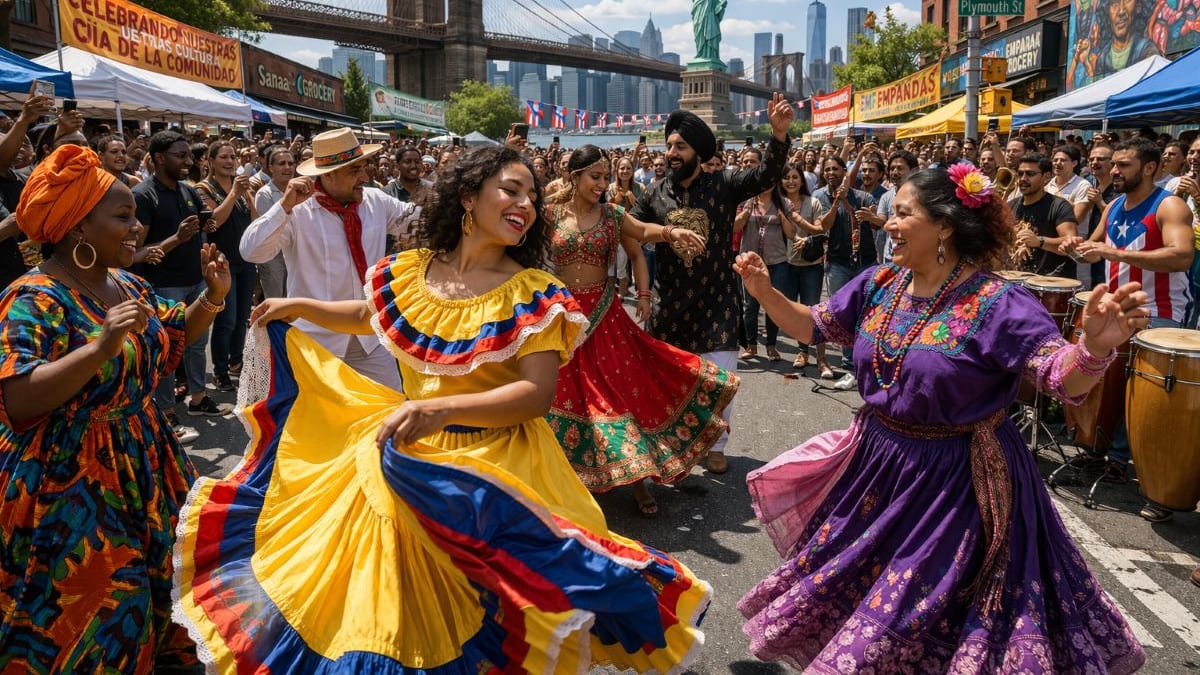
Image by Latest International / Global Travel News, Breaking World Travel News
What the Expanded Tourism Grants Initiative Covers
Publicly available information shows that New York City’s latest round of tourism-focused grants is designed to reinforce community-based cultural institutions, festivals and heritage events from the Bronx to Staten Island. The initiative builds on long-running efforts by the city’s tourism and cultural agencies to use targeted funding and marketing support to attract visitors to neighborhood-based experiences, not only major museums and entertainment districts.
The grants are structured to assist nonprofit cultural organizations, festival producers and community development groups that can demonstrate tourism potential through events, programming and campaigns that highlight local history, arts and traditions. Reports indicate that eligible projects range from multi-day cultural festivals and seasonal markets to museum campaigns, neighborhood tours and public art presentations that can anchor weekend trips or short breaks.
According to recent budget and program materials, support includes a mix of direct financial assistance for program delivery, marketing and promotion, as well as technical help with audience development. Many awards are focused on drawing both domestic and international visitors, but they also aim to stimulate local and regional tourism by encouraging New Yorkers to explore unfamiliar parts of their own city.
The latest expansion aligns with broader regional tourism funding streams that have recently steered new resources into New York City’s cultural and tourism sectors. Those include state-level Market New York grants and Regional Economic Development Council awards that prioritize projects capable of generating measurable tourism spending and job creation.
Focus on Cultural Heritage and Neighborhood Festivals
A defining feature of the expanded initiative is its emphasis on cultural heritage, with priority for programs that spotlight the histories and traditions of New York’s diverse communities. Recent city budget documents and award lists highlight backing for groups that celebrate Caribbean, Latin American, African, Asian, Indigenous and European diasporic cultures, as well as long-established neighborhood identities from Little Italy and Chinatown to Harlem and the South Bronx.
Festival-driven tourism remains a central pillar. Public information on past and current awards points to support for street fairs, heritage parades, music and dance festivals, literary events and seasonal celebrations that give visitors a concentrated window into neighborhood culture. Many of these festivals are intentionally scheduled to extend the tourism season into spring and fall and to activate public spaces, commercial corridors and waterfronts.
City reports describe an effort to knit together cultural programming with broader tourism campaigns, including anniversary observances and citywide cultural seasons. Recent examples include multi-borough campaigns tied to major historical milestones and summer public realm initiatives that pair outdoor performances with temporary pedestrian-friendly streets and plazas.
Organizers are being encouraged to foreground storytelling about migration, social movements, architecture, cuisine and local craftsmanship. The goal is to position New York’s neighborhoods as destinations where visitors can engage with layered histories rather than treating them as quick photo stops.
Reaching All Five Boroughs, Including Underserved Areas
One of the most significant aspects of the initiative is its explicit commitment to geographic balance. According to city planning and cultural affairs documents, the expanded grants are intended to reach organizations and events in all five boroughs, with particular attention to communities that historically have seen fewer tourism investments.
In the Bronx, Queens, Brooklyn and Staten Island, the program is reinforcing smaller cultural centers, theaters, heritage museums and grassroots arts groups that anchor local identity but do not always have the resources to market themselves to visitors. Coverage of recent awards indicates that many of these organizations are receiving multi-year support aimed at stabilizing operations while they build their tourism profile through festivals, tours and partnerships.
Within Manhattan, funding is increasingly directed beyond Midtown and the traditional museum corridors toward uptown, Lower Manhattan and waterfront neighborhoods where cultural organizations and community-based events help tell stories of immigration, labor, LGBTQ+ history and civil rights. The objective is to diversify the visitor experience and reduce pressure on a few crowded districts.
Program materials also reference coordination with public realm and neighborhood revitalization grants administered by other city agencies. Investments in lighting, streetscape improvements and wayfinding are being aligned with cultural programming, making it easier and more appealing for visitors to navigate commercial corridors and historic districts in every borough.
How the Grants Work for Cultural Organizations and Events
The tourism grants are being delivered through competitive application processes that evaluate projects on cultural merit, tourism potential and community impact. Application guidelines reviewed by TheTraveler.org show that organizations typically must be nonprofit entities based in New York City, with clear governance and a track record of cultural or heritage programming.
Eligible expenses frequently include program production costs, artist fees, marketing and promotion, translation and accessibility measures, and certain infrastructure or equipment directly tied to visitor experience. Many initiatives require applicants to present detailed visitor projections, economic impact estimates and plans for collecting attendance data, which are used to assess return on investment in terms of tourism spending.
To help smaller or emerging groups compete, several intermediaries such as borough arts councils and local development corporations have been engaged to provide outreach, workshops and technical assistance. Public information on recent cycles suggests that a notable share of grants are now going to first-time recipients, reflecting a push to broaden access beyond long-established institutions.
For travelers, this means a growing ecosystem of well-supported cultural events and venues, from small theaters and music series to neighborhood walking tours and heritage festivals that are better promoted and more consistently programmed than in past years.
What Visitors Can Expect Across the City
For prospective visitors planning trips in 2026 and beyond, the expanded tourism grants initiative is likely to translate into a denser calendar of festivals and cultural events spread more evenly across the year and the city map. Travelers can expect more reasons to venture into neighborhoods in the outer boroughs, where food, markets, performances and community-led tours will increasingly be framed as headline attractions rather than side excursions.
Neighborhood-based cultural institutions that receive support are expected to ramp up special exhibitions, bilingual programming and family-friendly activities that make it easier for out-of-town guests to engage. Some museums and cultural centers are also using grant resources to promote targeted weekends or seasonal campaigns, inviting visitors to combine multiple nearby venues into a single itinerary.
The city’s tourism marketing channels are anticipated to feature more neighborhood guides and thematic trip ideas built around cultural heritage, from architecture and music to religious traditions and migration stories. This could mean expanded coverage of borough-specific events, such as waterfront festivals, local film and theater showcases, and community heritage months that have previously flown under the radar for international and domestic visitors.
While individual grant cycles and award amounts may shift from year to year, publicly available plans signal a long-term strategy: to use tourism dollars to sustain cultural life in every borough while giving travelers fresh, authentic ways to experience New York City beyond its most familiar icons.