

More news on this day
New York City’s subway and bus network is gradually returning to regular operations after a series of winter storms brought heavy snow, ice and rain, disrupting transit, guided tours and visitor travel plans across the five boroughs.
Get the latest news straight to your inbox!
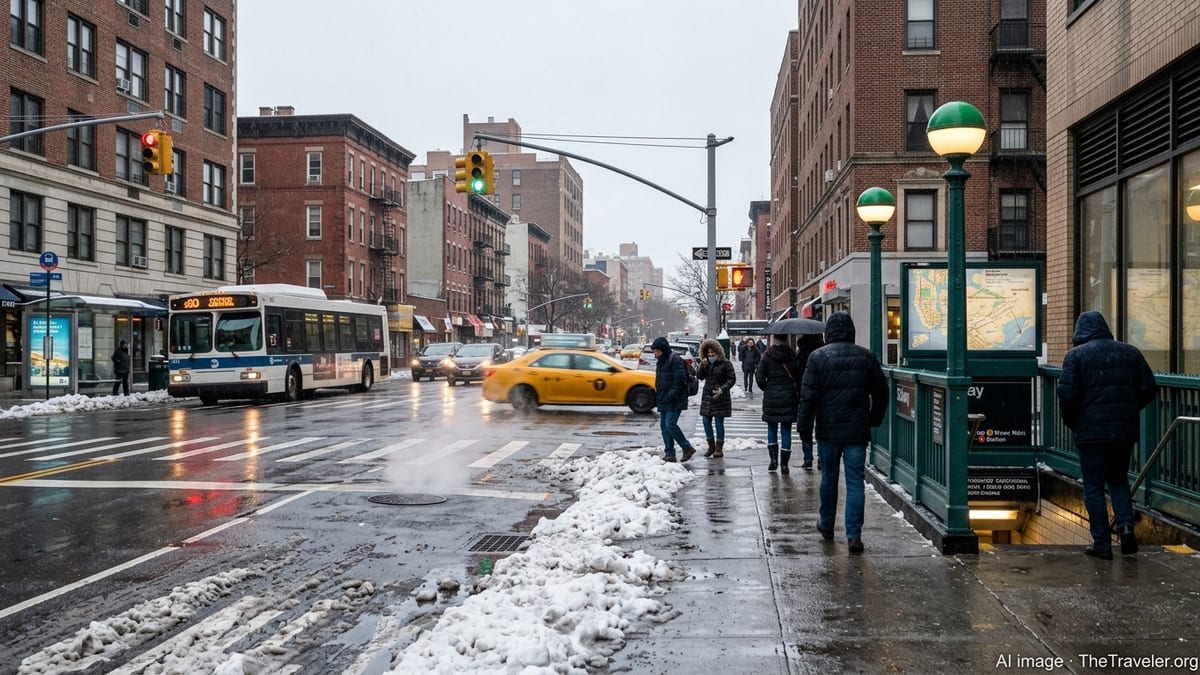
Storms Test the Resilience of New York’s Transit Network
Late-winter storms in February and March 2026 brought a mix of heavy snow, freezing conditions and hazardous roads across the New York metropolitan area, contributing to delays and temporary suspensions across subway and bus routes. Publicly available information shows that regional rail and bus systems in the wider Tri-State area shifted to reduced or modified schedules during the most intense periods of the weather, underscoring how quickly operations can be scaled back when safety and equipment protection are at stake.
For the Metropolitan Transportation Authority, the episodes were another reminder of how vulnerable the system remains to extreme conditions. Earlier planning documents and climate assessments for the network highlight that weather-related incidents are among the most frequent causes of service interruptions, and that both heavy snowfall and intense rainfall can trigger track, signal and power problems. The latest storms added to that pattern, particularly at exposed surface sections of the subway and on key bus corridors that depend on plowed streets and passable bridges.
Although the most severe conditions were relatively short-lived, the impact on riders stretched beyond the height of the storms. Once accumulations, ice and slush built up, crews were required to clear tracks, switches, bus depots and sidewalks near stations, leading to lingering slowdowns and crowding even as service officially resumed.
Transit advocates and rider groups have noted that these recurring disruptions follow years of investment in resilience projects, suggesting that while progress has been made since major storms earlier in the decade, the network continues to face significant challenges as extreme weather events become more frequent.
Subway and Bus Services Move From Suspension to Recovery
According to recent coverage of winter operations, the MTA relied on a familiar playbook to navigate the latest storms: limiting some above-ground subway lines, reducing bus frequencies on the most hard-hit routes and pre-positioning de-icing trains and snow-fighting equipment. During peak snowfall and icy conditions, segments of lines with open cuts or elevated track were particularly affected, with shuttles and short-turning trains used to keep at least limited service running where possible.
As conditions improved, service shifted from suspension to a controlled restoration. Historical practice suggests that the subway typically returns to more normal patterns before the bus network fully recovers, since buses remain dependent on municipal snow removal and road treatment. That pattern largely repeated itself, with underground and trunk subway lines stabilizing first while some bus routes continued to see reroutes, delays and gaps in frequency on narrower, residential streets.
Reports from rider communities indicate that by late March most core subway lines were again operating close to regular schedules, though with occasional residual delays as signals and switches were checked and repaired. Bus operations in outer-borough neighborhoods have also largely normalized, but riders are still being advised by publicly available advisories to build extra time into trips during periods of refreezing, wet snow or heavy rain that can follow major storms.
Paratransit users and those relying on express buses for airport transfers or long commutes were among the groups most affected during the worst conditions, with some trips canceled or shifted to longer, more circuitous routes. As the network moves into the spring travel period, these services have resumed but remain sensitive to any renewed bout of adverse weather.
How Disruptions Ripple Through Tours, Attractions and Visitor Plans
The weather-related transit disruption came at a time when New York is preparing for a busy spring travel season, and the impact on tours and visitor experiences has been noticeable. Many sightseeing operations, walking tours and hop-on, hop-off bus services depend on reliable subway and local bus connections to bring guests to starting points in Midtown, Lower Manhattan, Brooklyn’s waterfront and other popular districts. When regular transit slows or is partially suspended, tour operators often face late arrivals, smaller group sizes and the need to adjust itineraries in real time.
Publicly available information from the wider travel industry indicates that even short-lived transit problems can influence booking behavior, as visitors factor perceived reliability into decisions about day trips, theater outings and restaurant reservations. In New York, some attractions responded to the recent storms by relaxing arrival windows, extending evening hours or allowing guests to reschedule visits without penalty when transit delays made it impossible to keep original times.
For independent travelers, the combination of patchy subway service and slow-moving buses encouraged greater use of walking, bike share and for-hire vehicles. This shift can add to congestion on key corridors but also reflects the flexibility that many visitors bring to their itineraries. As service normalizes, tour operators are reporting more predictable start times and stronger attendance, though they remain alert to the possibility of new weather fronts disrupting plans with relatively little notice.
Neighborhood-based tours in outer boroughs such as Queens and the Bronx have been particularly sensitive to bus disruptions, since many rely on a single frequent route to connect guests from the subway to more residential or waterfront areas. With those routes now largely back on regular schedules, operators are marketing spring departures while closely monitoring transit alerts on days with unsettled forecasts.
What Riders and Visitors Should Expect in the Coming Weeks
As New York moves out of the peak winter period, the general trajectory for subway and bus services is toward stability, but travelers should continue to expect occasional weather-related complications. Residual issues at exposed track locations, water-prone underpasses and complex interlockings can surface during the first significant rain events of spring, potentially creating fresh slowdowns or short-term suspensions even after snow and ice are gone.
Public guidance from transportation planners stresses that riders checking real-time status tools before leaving home or their hotels are best positioned to adapt quickly. For visitors, this means building extra time into cross-borough journeys, especially when connecting to time-sensitive activities such as museum entrance slots, harbor cruises or evening performances. Riders planning airport transfers by public transit are also encouraged to allow a wider buffer than usual while the system continues to cycle through post-storm inspections and repairs.
Tour providers are increasingly integrating live transit information into their own customer updates, sending day-of reminders that highlight any expected delays and suggesting alternate meeting locations when service changes affect the nearest station. This layered communication reflects broader trends in the travel industry toward real-time itinerary management in response to weather, infrastructure and crowding pressures.
In the short term, the outlook for visitors arriving in late March and early April is that most subway and bus lines will be operating close to standard timetables, with a heightened emphasis on monitoring forecasts and alerts on days with heavy rain or sharp temperature swings. The network’s gradual rebound offers a measure of reassurance to travelers, even as it underscores the importance of flexibility when experiencing a city where climate and infrastructure are increasingly intertwined.
Longer-Term Efforts to Weather-Proof City Travel
Beyond the immediate recovery, New York’s recent transit disruptions are feeding into longer-term discussions about how to make the system more resilient for residents and visitors alike. Planning documents and regional transportation studies prepared in recent years point to a rising number of weather-related disruptions across highways, commuter rail and urban transit, and they call for continued investment in drainage, flood barriers, power systems and modernized signals.
Within the city, projects already underway include upgrades to ventilation grates, station entrances and tunnel portals in low-lying areas, along with drainage improvements at known flooding hotspots. On the bus side, measures such as dedicated lanes, curb extensions and improved signal priority are framed as tools not only for reducing congestion delays but also for helping keep service reliable when adverse weather increases traffic and slows general-purpose lanes.
For the tourism and hospitality sectors, these infrastructure efforts are viewed as central to maintaining New York’s appeal as a year-round destination. As extreme weather becomes a more regular feature of the travel landscape, the ability of visitors to move reliably between airports, hotels and attractions is seen as a key competitive advantage. Publicly available commentary from business and advocacy groups emphasizes that stable, weather-resilient transit is as important to the city’s brand as new museums, restaurants or parks.
While full protection against storms is not possible, the gradual recovery of subway and bus services after the latest round of disruptions illustrates both the vulnerabilities and strengths of a 24-hour system. For travelers planning trips in the months ahead, the main takeaway is that New York remains navigable and energetic, with a transit network that is largely back on its feet but still adapting to the evolving realities of the climate era.