

More news on this day
New York City’s subway and bus network is edging back toward normal after a stretch of severe winter weather and high winds that disrupted service, complicated airport and intercity connections, and forced visitors and tour operators to rapidly rework their itineraries across the five boroughs.
Get the latest news straight to your inbox!
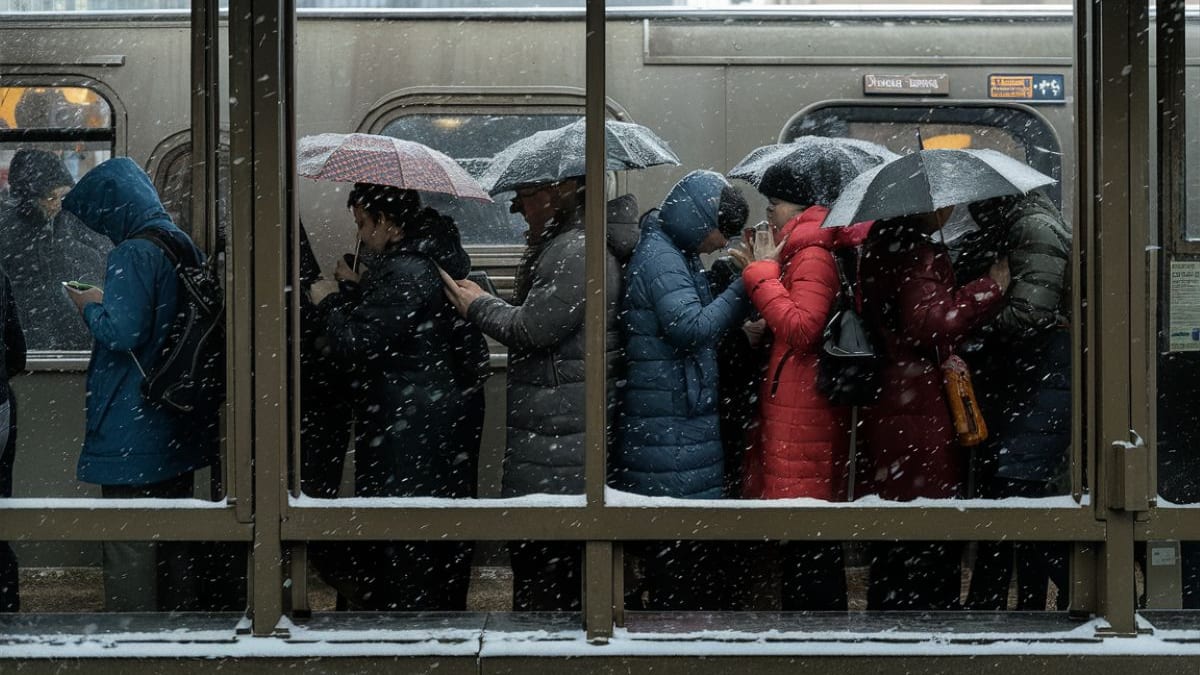
Image by Latest International / Global Travel News, Breaking World Travel News
Where Subway and Bus Service Stands Today
Publicly available service alerts and transit tracking platforms indicate that, as of March 30, most New York City subway lines are running close to regular schedules, with residual delays concentrated on sections that were hardest hit by snow, ice and earlier flooding. Elevated segments and open-cut stretches, which are more vulnerable to drifting snow and high winds, have seen the slowest return to full speed, and riders may still encounter extended travel times during the morning and evening peaks.
Reports from rider-facing apps and independent trackers show that many bus routes have resumed normal or near-normal service, although some are operating on slightly reduced or “curtailed” schedules following weeks of intermittent detours and blocked streets. Transit advocates note that bus performance dropped sharply during January’s major snowstorm, leading the agency to adjust how it reports delivery statistics, and riders are reporting that waits are now stabilizing but remain inconsistent in some outer-borough corridors.
Tourists relying on iconic crosstown or sightseeing-heavy corridors, such as routes serving Midtown, Lower Manhattan and key transfer points in Brooklyn and Queens, are seeing more predictable headways than during the height of the disruptions. However, occasional gaps in service and crowding at major hubs still require additional buffer time for anyone with timed tickets, museum reservations or dinner bookings.
For the subway, winter “underground-focused” operating plans that prioritize below-surface routes during severe storms have now been wound down, and regular express and local patterns are largely restored. Even so, occasional speed restrictions, signal-related slow orders and minor water intrusion at vulnerable stations can quickly cascade into knock-on delays across multiple lines.
How Recent Weather Disrupted Travel Across the City
The recovery follows a turbulent late-winter period, including a powerful February blizzard that brought heavy snow, high winds and significant drifting across the region. Recaps from rail watchers and local weather communities describe near-record snow totals in parts of the metropolitan area, with drifts that impeded switch operations, iced over third rails and forced trains to run more slowly or skip exposed segments altogether.
During the height of the storm, the MTA implemented reduced subway schedules and removed some articulated buses from the streets, particularly on routes where tight turns and steep grades become hazardous in ice and slush. Public information from the agency and local transit observers shows that buses, often the most flexible mode in heavy rain events, struggled more than usual in this storm because of unplowed intersections, abandoned vehicles and persistent whiteout conditions.
In the days that followed, a sequence of freeze-thaw cycles, lingering snow piles and renewed bouts of rain created additional challenges. Station entrances and bus stops required repeated clearing, and some stairways, curb cuts and boarding areas remained slippery. Riders posted accounts of longer-than-usual waits, misaligned transfers between rail and surface routes, and pockets of crowding where only a portion of scheduled trips operated.
The same weather pattern affected broader regional connections. Rail services into Penn Station and Grand Central, along with bus carriers serving the airports, operated on modified or emergency timetables at various points, extending the impact on tour groups arriving from other states or planning day trips beyond the city. Even as core subway frequencies improved, these external links added uncertainty for visitors on tight schedules.
What Visitors and Tour Operators Should Expect Now
For travelers planning city breaks, group tours or cruise connections this week, conditions are far more favorable than during the peak of the storms, but planning remains essential. Most major tourist corridors, including lines serving Times Square, the Theater District, the Financial District, Brooklyn waterfront neighborhoods and key museum clusters, are seeing regular trains with only scattered delays. However, intermittent slowdowns on feeder lines in the Bronx, Queens and southern Brooklyn can still ripple into central Manhattan at short notice.
Tour operators are adapting by building in longer transfer windows and recommending that clients use real-time transit tools throughout the day. Itineraries are being adjusted to cluster activities by neighborhood, reducing the need to crisscross the city multiple times and lowering exposure to any sudden suspension on a single line. Some companies report shifting early-morning sightseeing starts to slightly later time slots to avoid the highest-risk period for weather-related clean-up and crew reassignments.
Independent travelers and smaller groups may find that flexibility is their best asset. Swapping a morning museum visit with an afternoon walking tour if a particular line is experiencing problems, or reversing the order of borough visits, can salvage a day that might otherwise be lost to unplanned platform waits. Publicly available information suggests that midday and early afternoon windows generally offer the smoothest ride at the moment, with fewer weather knock-on effects than the early rush.
Those connecting between the transit system and airports should continue to allow generous margins. While dedicated airport buses and connecting rail services are mostly back on schedule, even modest subway delays can compound when combined with security lines and check-in cutoffs. Travelers heading to or from JFK, LaGuardia or Newark by public transport are advised by tourism boards and travel advisers to treat scheduled times as best-case estimates rather than guarantees.
How the MTA Is Adapting to More Extreme Weather
The recent disruptions arrive against the backdrop of the MTA’s long-running efforts to prepare its network for more frequent and intense storms. Strategic documents such as the 20-Year Needs Assessment and the agency’s climate resilience roadmap describe billions of dollars in investment since Hurricane Sandy, focused on flood barriers, upgraded pumping systems, hardened power supplies and redesigned station entrances in low-lying areas.
Winter-specific planning has also evolved. After previous blizzards and ice events, the agency refined severe-weather operating patterns that keep a core network of underground lines running when conditions on elevated structures and open cuts become unsafe. A specialized winter subway map, circulated each season, indicates which lines would remain active under these contingency plans, helping riders anticipate what service might look like during the next major storm.
On the bus side, recent presentations and public materials highlight steps such as prioritizing snow clearance on key transit corridors, refining detour playbooks and improving communication through apps and digital signage when streets become impassable. Feedback from riders during January and February indicates that while communication still lags in some neighborhoods, many appreciated faster alerts about suspended trips and route curtailments compared with older storms.
Experts and advocacy groups following these changes point out that, even with improved resilience, the system remains vulnerable to combinations of heavy rain, coastal flooding and wind that can overwhelm drainage, topple trees and trigger power interruptions. The latest disruptions are being watched closely as an informal stress test of whether recent investments are translating into shorter outages and quicker returns to normal operations.
Practical Tips for Navigating the System in the Coming Days
As services continue to normalize, riders can take several practical steps to reduce the risk of missed connections or disrupted outings. Public-facing tools that aggregate official MTA alerts, train location data and bus arrival information have become essential for both residents and visitors, offering near real-time snapshots of which lines are running smoothly and which are experiencing issues.
Travel planners suggest checking conditions at least twice for any important trip: once when building the day’s itinerary, and again just before departure. For tours that involve multiple boroughs, it can be useful to identify at least one backup route, such as an alternative subway line or a parallel bus corridor, in case the primary option is slowed by residual weather impacts or unrelated incidents.
On the ground, riders are encouraged to allow extra time when moving through major transfer complexes, where lingering crowding can slow movement between platforms. Visitors unfamiliar with the network may benefit from traveling slightly outside the busiest rush hours, when staff and signage are easier to access and the margin for error on tight connections is wider.
While the immediate crisis phase of this winter’s disruptions has passed, the experience is a reminder that New York City’s transit system is increasingly operating in a climate where severe weather can upend even the best-laid plans. For now, subways and buses are largely back on track, but successful touring and travel across the city still depend on staying informed, building in flexibility and recognizing that conditions can change quickly as the season transitions.