

More news on this day
New York City’s subway and bus systems are steadily recovering after a series of late-winter storms brought heavy snow, coastal flooding, and high winds, disrupting regular service and complicating tours and travel plans across the five boroughs.
Get the latest news straight to your inbox!
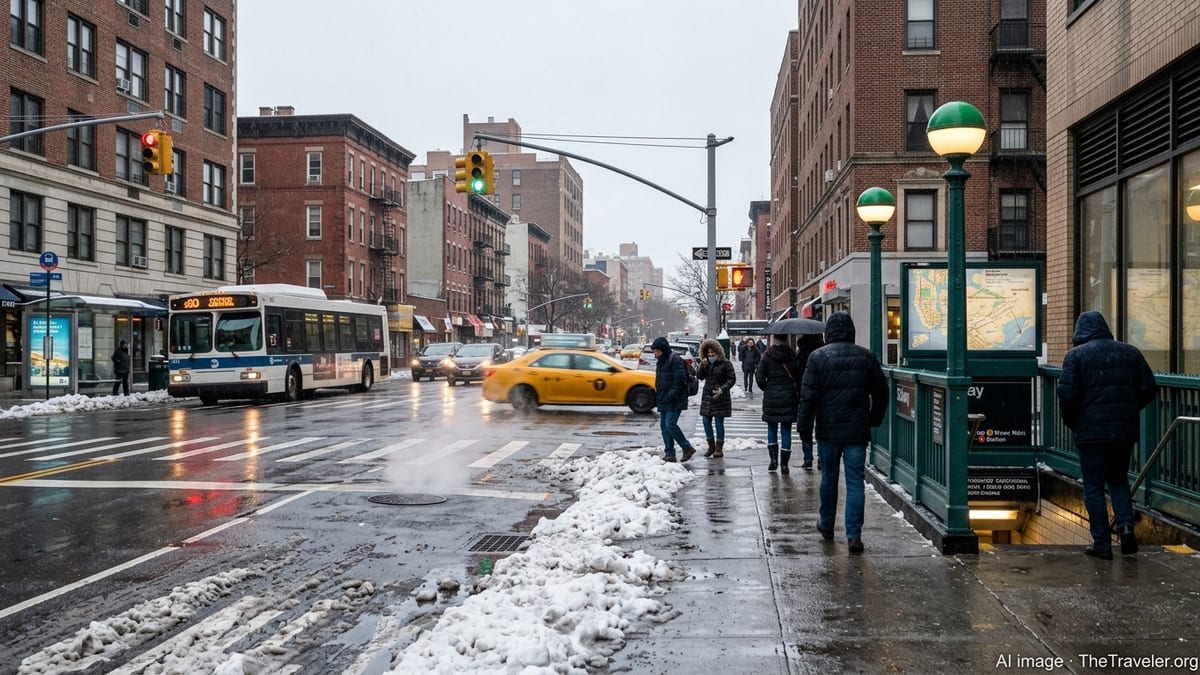
Where Transit Stands Today
Publicly available information from the Metropolitan Transportation Authority and local media indicates that, as of March 28, 2026, core subway service has largely resumed across New York City following the powerful Blizzard of 2026 and subsequent bouts of wintry weather. Most lines are running close to regular weekend schedules, but pockets of weather-related disruption remain on exposed and coastal sections of the network.
Surface transit has been slower to rebound. Reports show that many bus routes are still contending with residual snow piles at curbs, narrowed lanes, and intermittent traffic gridlock where roadway conditions remain challenging. Riders in outer-borough neighborhoods, who depend more heavily on buses, are continuing to experience longer waits and uneven headways, particularly on busy crosstown and trunk lines.
For visitors, the picture is mixed rather than chaotic. Major tourist corridors in Manhattan, including Midtown, Lower Manhattan, and key connections to Brooklyn and Queens, are generally served by functioning subway lines. However, travelers may still encounter unexpected slowdowns, detours, or extended intervals between trains and buses, especially during off-peak periods.
Storm Impacts That Shaped the Disruptions
The February 22–24 Blizzard of 2026 brought some of the heaviest snowfall totals New York City has seen in years, with close to 20 inches recorded in Central Park and even higher amounts at area airports. Coastal areas around the region also experienced flooding and strong winds, which combined to create challenging conditions for transit infrastructure.
Historically vulnerable parts of the subway system, including open-cut sections, elevated tracks, and low-lying yards, were especially exposed to drifting snow and ice accumulation. Public reports describe switches, third-rail components, and wayside equipment encased in snow, forcing service reductions, temporary suspensions, and slow-speed operations as crews worked to clear tracks and inspect components.
Bus operations were affected even more acutely. Snow-clogged intersections, uncleared curb lanes, and cars stranded or double-parked on narrowed streets led to widespread detours and gaps in service. Data and analysis referenced in recent coverage show that some routes operated on curtailed patterns well after the snow ended, with reduced frequencies and skipped segments where conditions remained unsafe or impassable.
These recent storms follow a pattern New Yorkers have seen after other major weather events in the past decade, when extreme rainfall or snow has temporarily shut down portions of the network and then required gradual, phased restoration of both rail and bus service.
How Service Restoration Is Being Prioritized
According to published coverage of the recovery effort, the MTA has focused first on restoring core subway trunks that move the largest volume of riders, including Manhattan and Bronx mainlines and key Queens and Brooklyn corridors. Underground sections of the system, less directly affected by drifting snow, were generally brought back into operation earlier, with elevated and open-cut segments following as tracks and power equipment were cleared.
On the bus side, storm recovery plans appear to prioritize high-ridership routes, major transfer points, and corridors that act as substitutes where subway service is limited. Some lines have been operating with modified or “curtailed” patterns, turning back before their usual terminals to avoid the worst-affected streets, while still preserving a basic level of connectivity for riders.
Observers note that service has not snapped back uniformly. While some routes now resemble normal weekend patterns, others remain subject to gaps, bunching, and occasional cancellations as depots manage vehicle availability, staffing, and the lingering effects of snow-related wear on equipment. Riders are being advised through publicly available channels to expect residual delays and to allow extra travel time.
For tourism operators and group travel planners, this phased restoration means itineraries may need last-minute adjustments, particularly for early-morning excursions, borough-wide sightseeing loops, or routes that rely heavily on buses to bridge between neighborhoods.
What Visitors and Tour Operators Should Expect
For travelers arriving in New York City this weekend, most subway connections between the city’s primary tourist hubs are available, but journeys may take longer than usual. Trains on certain lines are running with extended headways, and some stations in outer neighborhoods may experience intermittent service changes as crews continue post-storm inspections and repairs.
Bus performance remains the most variable piece of the puzzle. Trip reports from riders highlight waits exceeding 20 to 30 minutes on some Bronx and Queens lines during periods when routes would typically see more frequent service. Slow-moving traffic near major bridges, tunnels, and commercial avenues adds additional uncertainty for airport shuttles, charter buses, and hop-on, hop-off sightseeing services that share city streets.
Tour operators planning tightly timed itineraries between multiple boroughs may wish to build in more generous buffers between scheduled stops. Travelers connecting to early tours from hotels outside central Manhattan should confirm their routes in advance and consider alternative subway paths where feasible, rather than depending solely on buses in the current conditions.
For independent visitors, public information suggests that staying flexible is key. Adjusting plans to concentrate on one or two neighborhoods per day, rather than crisscrossing the city on a rigid schedule, can help absorb unexpected slowdowns and make better use of the transit options that are currently running most reliably.
Practical Guidance for Navigating the System Now
Travelers are strongly encouraged to rely on real-time tools instead of static maps or printed guides when navigating New York City transit in the aftermath of recent storms. Official service status platforms, third-party transit apps, and station announcement boards provide the most current picture of delays, reroutes, and suspensions affecting specific lines and stops.
Checking conditions shortly before departure is especially important for trips that involve outdoor segments, such as lines crossing bridges, elevated sections in the outer boroughs, and bus routes that traverse hills or coastal areas. These are the portions of the network where weather impacts tend to linger longest and where last-minute service changes are most likely.
Visitors should also anticipate more crowded trains at certain times. As some bus routes continue operating below normal levels, more riders are shifting to nearby subway lines, especially in neighborhoods where rail and bus networks intersect. Giving up on a packed train in hopes that the next one will be emptier may not always pay off when headways are still stretching longer than usual.
Despite the ongoing disruptions, New York City remains accessible for travelers prepared to stay flexible, verify service status frequently, and allow for extra time between key connections. With each passing day, the subway and bus system is moving closer to its typical service patterns, but for now, a cautious, informed approach will help keep citywide tours and travel running smoothly.