

More news on this day
Hundreds of travellers across Australia and New Zealand faced long queues, missed connections and disrupted holiday plans today as major airports reported 292 flight delays and 33 cancellations, affecting services operated by Jetstar, Qatar Airways, Qantas, Air New Zealand and several other carriers.
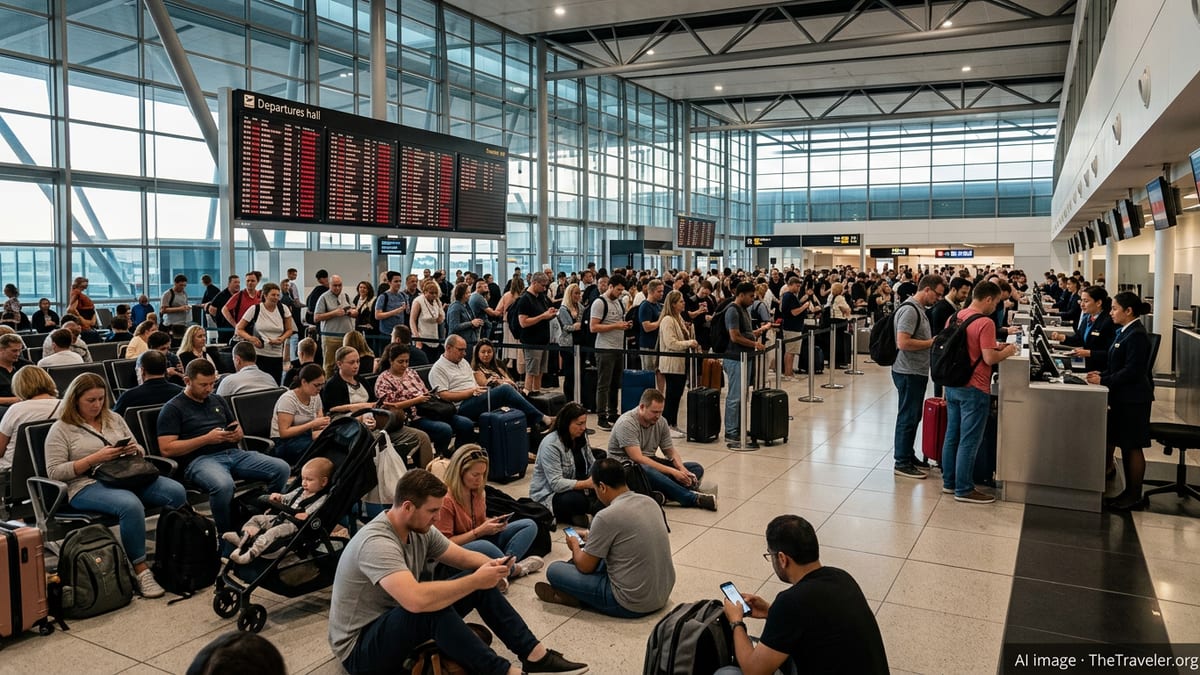
Major Hubs Across Australia and New Zealand Under Strain
Operational data from aviation trackers and airport authorities show Melbourne, Sydney, Auckland and Wellington among the hardest hit, with knock-on delays rippling through both domestic and trans-Tasman networks. While most runways remained open, a combination of congestion during peak periods, ongoing staffing constraints and aircraft rotations arriving late from overseas led to bottlenecks throughout the day.
At Sydney and Melbourne, passengers reported security queues stretching well beyond the usual morning peaks, as delayed inbound aircraft compressed departures into narrower windows. In Auckland and Wellington, late arrivals from Australia and the Pacific created further complications for airlines trying to turn around aircraft quickly for evening services.
The disruption comes at a time when leisure and business travel demand across Oceania remains robust, leaving fewer spare seats for same-day rebooking. Travellers attempting to connect onward to long haul services in Asia, the Middle East and North America were among those most affected when short regional legs slipped behind schedule.
Jetstar, Qantas and Air New Zealand Face Significant Schedule Disruptions
Low cost carrier Jetstar saw a noticeable share of the delays and cancellations, particularly on high-frequency routes between Sydney and Melbourne and across the Tasman. Its point-to-point model and tight turn times leave limited buffer when aircraft arrive late, meaning even small schedule shocks can cascade into longer holdups later in the day.
Qantas and its regional affiliates also reported disrupted operations on trunk routes such as Melbourne to Sydney and Sydney to Auckland, where a handful of cancellations combined with dozens of delays. The flag carrier has been managing strong demand on limited peak-hour slots, and when early services ran behind schedule, subsequent flights struggled to depart on time.
In New Zealand, Air New Zealand experienced delays across domestic services linking Auckland and Wellington with smaller centres, as well as on trans-Tasman routes. When one or two key jets fell out of position, the airline was forced to reshuffle aircraft and crew, producing rolling delays throughout the network even as most flights still operated.
Qatar Airways and Other International Carriers Feel Knock-on Effects
International airlines using Oceania hubs as gateways for Europe, Asia and the Middle East also felt the strain. Qatar Airways, which operates key connections linking Australia and New Zealand with Doha and onward destinations, saw a small number of flights cancelled and several others delayed as aircraft and crew were affected by wider regional disruption.
Other long haul carriers adjusted schedules or extended block times to accommodate airspace constraints and congestion along popular corridors. That left some arrivals landing later than planned in Sydney, Melbourne and Auckland, which in turn delayed their return departures and complicated airport stand availability.
While most long haul flights ultimately operated, passengers with tight onward connections faced missed links and unplanned overnight stays. Travel agents reported an uptick in rebooking requests as customers tried to reconfigure itineraries around altered departure times and reduced same day options.
Passengers Face Long Queues, Missed Connections and Added Costs
For travellers on the ground, the numbers translated into very real inconvenience. Some passengers described spending several hours in terminal queues waiting for updated information or to be rebooked, as airline staff worked through long lines of disrupted itineraries.
Families returning from school holidays and business travellers on short trips were particularly vulnerable to late-in-the-day cancellations, which left limited alternatives. With load factors already high, many customers were rebooked onto flights departing the following day, forcing them to pay for last minute hotel rooms, meals and ground transport unless airline policies specifically covered the disruption.
At several airports, makeshift resting areas formed near departure gates as travellers camped out with luggage, phone chargers and travel documents, tracking shifting departure boards. Social media posts highlighted a mix of frustration and resigned acceptance, with some passengers praising front line staff while criticising limited proactive communication from carriers.
What Travellers Should Do If Their Flight Is Affected
Airlines and airports across Australia and New Zealand urged passengers to monitor their flight status closely and arrive early, particularly for international departures. Most carriers updated schedules through their mobile apps and direct notifications, although intermittent system lags meant some customers only received confirmation of a cancellation after reaching the airport.
Travel experts advised disrupted passengers to document all additional costs and keep boarding passes, booking confirmations and receipts in case they are eligible for reimbursement under airline policies or local consumer law. Those with comprehensive travel insurance may be able to claim for accommodation, meals and missed connections, depending on policy terms and the cause of the delay.
Frequent flyers and those with status were encouraged to use dedicated customer service lines or airline lounges, where available, to access faster rebooking assistance. For everyone else, persistence and patience remained the key commodities, as carriers worked through backlogs created by the 292 delays and 33 cancellations across Oceania’s busiest gateways.