

More news on this day
Thailand’s closely watched tourism rebound is facing fresh turbulence as a global oil price spike drives up travel costs and prompts Thai tourism operators to demand a 14‑billion‑baht emergency relief package from the government.
Get the latest news straight to your inbox!
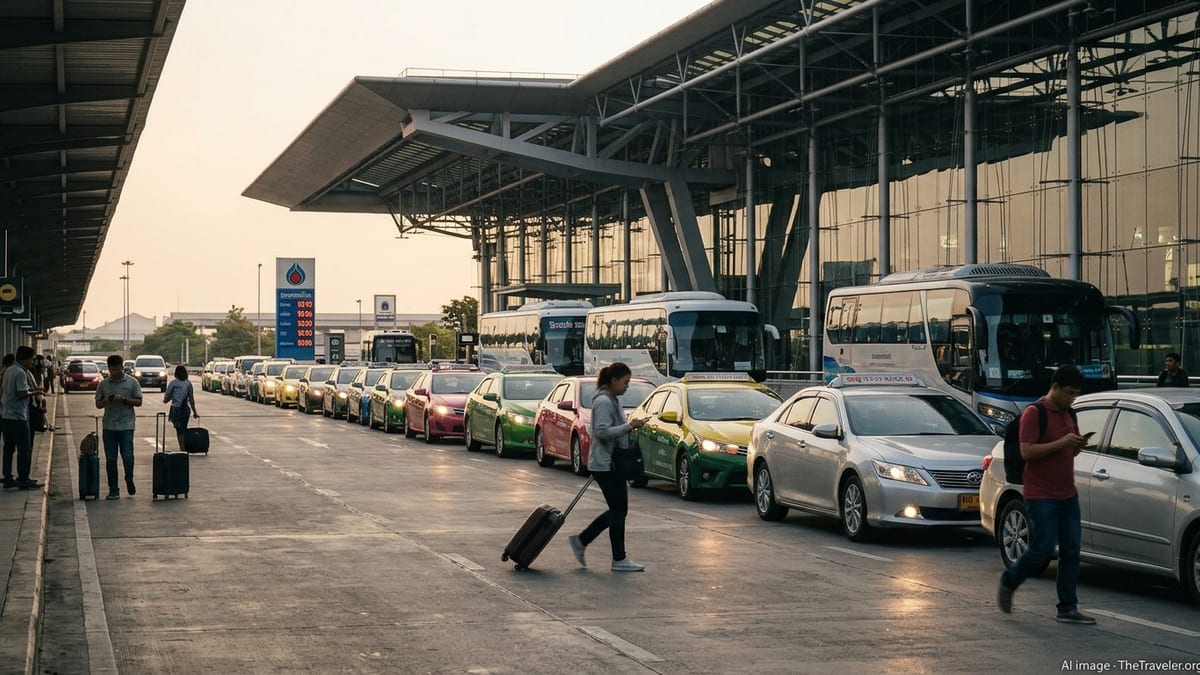
Oil Surge Collides With Fragile Tourism Recovery
The new oil shock has arrived just as Thailand’s visitor numbers and tourism receipts were moving back toward pre‑pandemic levels. Publicly available data from economic agencies show foreign tourism earnings rising steadily through 2025 and into early 2026, supported by expanded flight capacity and new international routes. This recovery is now at risk as airlines and tour businesses confront sharply higher fuel and operating costs.
Industry commentary indicates that rising crude prices are already filtering through to airfares, with some carriers announcing ticket price increases and warning of further hikes if fuel costs continue to climb. For Thailand, where long‑haul visitors remain vital to the revenue mix, sustained fare inflation could have a direct impact on arrivals, length of stay and per‑trip spending.
At the same time, Thailand’s economy is heavily reliant on imported energy, making it particularly vulnerable to external price shocks. Analysts note that higher oil prices feed quickly into transport and logistics costs, raising the expense of moving people and goods across the country. For tourism operators that built 2026 pricing on far lower fuel assumptions, the current spike is eroding already thin margins.
Tourism‑linked businesses warn that without targeted support, the combined effect of higher fuel costs, volatile exchange rates and intense regional competition could blunt Thailand’s hard‑won tourism momentum just as confidence was returning among international travelers.
Tourism Groups Rally Around 14‑Billion‑Baht Relief Demand
Against this backdrop, umbrella organizations representing hotels, tour operators, transport providers and small tourism businesses have coalesced around a call for a 14‑billion‑baht emergency relief package. According to recent Thai media coverage, the proposed support would focus on short‑term liquidity and cost relief rather than broad consumer subsidies, aiming to bridge the sector through what many see as an externally driven, temporary shock.
Draft proposals discussed in the local press outline measures such as soft‑loan facilities for cash‑strapped small and medium‑sized enterprises, targeted tax relief on fuel‑intensive tourism services and time‑bound reductions in certain regulatory fees. Sector representatives argue that these steps would help operators maintain service quality and capacity even as operating costs climb, reducing the risk of widespread layoffs or business closures in key destinations.
Some business groups are also urging the government to align any tourism relief with existing economic stimulus plans, including broader efforts to support household purchasing power and keep domestic transport costs contained. Observers note that authorities have previously relied on fuel price caps and energy fund interventions to shield consumers from global volatility, but such policies carry significant fiscal costs if maintained for long periods.
While the headline figure of 14 billion baht is modest compared with Thailand’s overall tourism earnings, industry advocates contend that timely deployment could have an outsized impact by stabilizing vulnerable operators in secondary cities and rural areas that depend heavily on visitor spending.
Rising Costs Threaten Airlines, Hotels and Local Operators
Across the tourism value chain, the oil price surge is reshaping balance sheets in real time. Airlines face the most immediate pressure as jet fuel is typically their single largest variable expense. Recent public statements from carriers serving Thailand point to higher fuel surcharges, route adjustments and capacity reviews, all of which could reduce options and raise prices for travelers.
Hotels and resorts, meanwhile, are grappling with higher utility and transportation expenses, from electricity and air conditioning to food deliveries and staff commuting costs. Many properties had already deployed rate promotions to attract price‑sensitive travelers following a period of elevated room prices. The current squeeze leaves limited room to absorb further cost increases without either raising rates or trimming services.
On the ground, small operators such as dive shops, excursion companies, minivan services and independent guides are especially exposed. Their business models often rely on fuel‑dependent activities and fixed‑price contracts with overseas travel agencies. Reports from tourism forums describe growing concern among these businesses that they may be forced to cut back routes, shorten tours or pass on higher costs, potentially affecting the visitor experience.
Local analysts caution that if oil prices remain elevated, the cumulative strain on airlines, accommodation providers and ancillary services could lead to reduced capacity into Thailand, fewer scheduled flights to secondary airports and a gradual erosion of the country’s competitiveness relative to nearby destinations with lower operating costs.
Tourists Face Higher Prices as Baht and Fuel Swing
For travelers, the oil‑driven turbulence is beginning to show up in both headline prices and day‑to‑day travel decisions. Online discussions among visitors planning trips to Thailand in 2026 increasingly mention rising airfares, questions about domestic fuel availability and uncertainty over potential surcharges on tours and transfers.
At the currency level, research notes that Thailand’s baht is sensitive to global energy trends because of the country’s import dependence. Expectations of higher oil prices have already been linked to forecasts of a weaker baht over the coming months. A softer currency can make on‑the‑ground spending in Thailand more affordable for many foreign visitors, partially offsetting higher flight costs, but it also reflects broader concerns about external vulnerabilities.
Domestic travelers are being drawn into the story as well. Local media and social channels have recently carried reports of fuel purchase limits at some filling stations and uncertainty over the future of existing price caps. Any sustained rise in domestic transport costs could discourage road trips and short‑haul travel, important segments in Thailand’s tourism mix during shoulder seasons.
Travel advisors are encouraging visitors to monitor fare trends closely, lock in long‑haul tickets early where possible and maintain flexibility in itineraries as airlines and tour operators adjust schedules in response to the evolving cost environment.
Government Balances Energy Policy and Tourism Priorities
The emerging clash between energy prices and tourism stability is sharpening the policy challenge for Thai authorities. In recent years, the government has used a combination of excise tax adjustments, fuel fund mechanisms and temporary subsidies to dampen the impact of global price swings on domestic diesel and gasoline. Economic reports highlight that while such tools can provide short‑term relief, they add to fiscal pressures and can be difficult to unwind.
With tourism now a central pillar of Thailand’s growth outlook through 2026, the demand for a 14‑billion‑baht emergency package is testing how far policy makers are willing to go to insulate the sector from external shocks. Observers point out that any tourism‑specific support will likely have to fit within broader efforts to manage public debt, support real incomes and advance structural reforms aimed at higher‑value, more sustainable tourism.
Think‑tank commentary suggests that Thai decision‑makers may seek a balanced approach that combines limited, targeted financial relief for the most exposed tourism businesses with renewed marketing campaigns, streamlined visa procedures and infrastructure upgrades. Such measures could help sustain demand even if travel costs remain elevated, while avoiding an open‑ended commitment to subsidizing fuel.
As the oil crisis unfolds, Thailand’s response will be closely watched by other tourism‑reliant economies facing the same dilemma: how to shield a crucial growth engine from energy‑market turmoil without undermining long‑term fiscal and environmental goals.