

More news on this day
Oil prices drifted lower on Tuesday as fresh signs of diplomatic progress between Washington and Tehran in Geneva reassured traders that global crude supplies will remain steady, sending airline and tourism-linked stocks higher across major markets.
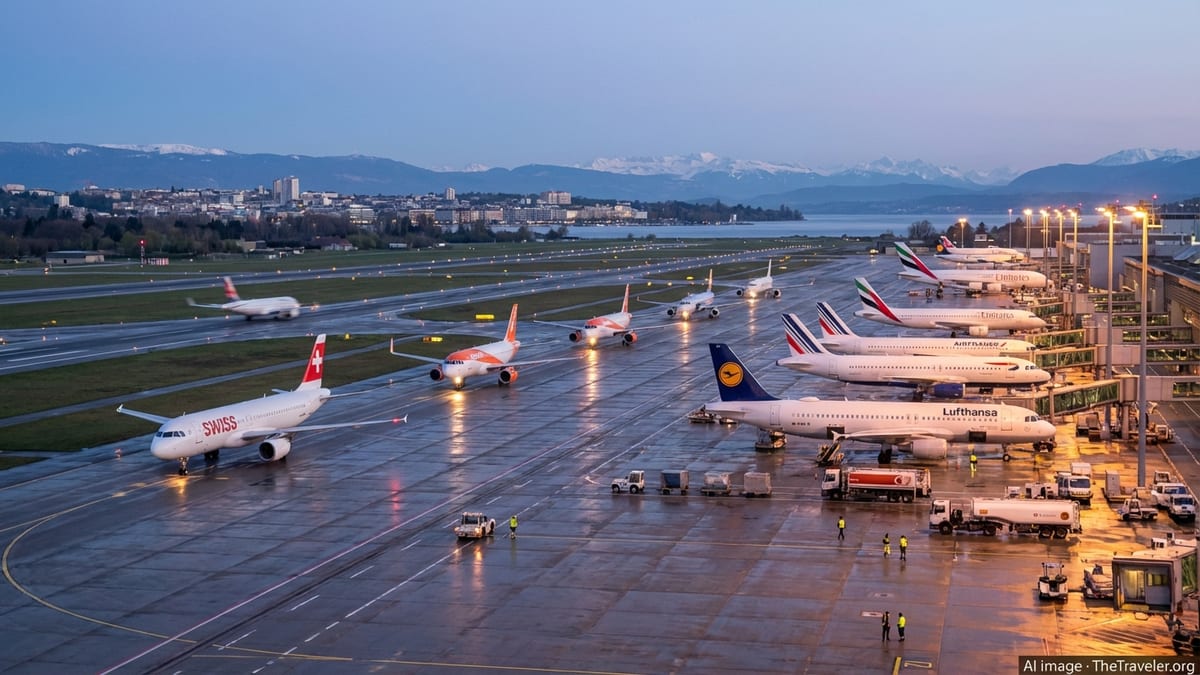
Geneva Becomes Diplomatic Focal Point for Oil Markets
Geneva has once again positioned itself at the center of a high-stakes diplomatic effort with direct implications for global energy and travel. A second round of indirect nuclear talks between the United States and Iran in the Swiss city produced what Iranian officials described as an understanding on the main guiding principles for renewed negotiations, easing fears of a sudden supply shock.
The signals from the lakeside city helped erase part of the geopolitical premium that had been built into crude prices since tensions in the Gulf flared last year. As word of progress filtered through trading floors from New York to Singapore, benchmark Brent futures slid about 2 percent to just over 67 dollars a barrel, their lowest closing level in two weeks, while US West Texas Intermediate hovered near 62 dollars.
For Geneva itself, better known among travelers for its watch boutiques and lakeside promenades, the latest talks underscore its enduring role as a neutral venue where deals with far-reaching economic consequences are shaped. Hoteliers and airlines serving the city report brisk demand from diplomatic delegations, security teams and media crews, even as the negotiations work to reduce broader regional risk.
Diplomats cautioned that a final agreement remains distant, with complex technical and political issues still unresolved. Yet the tone shift alone has proven enough to recalibrate market expectations, reinforcing Geneva’s reputation as a place where incremental steps toward compromise can reverberate through energy and transport networks worldwide.
Oil Benchmarks Retreat as Supply Fears Ease
After weeks of choppy trading driven by naval exercises near the Strait of Hormuz and threats of further sanctions, crude prices have turned decisively lower on signs that confrontation is giving way, at least temporarily, to negotiation. Brent has slipped back from recent highs near 70 dollars, while WTI has retreated to the low 60s, unwinding part of the risk premium tied to potential disruptions in Gulf exports.
Traders say the key shift is not a sudden surge of new barrels, but rather a perception that the worst-case scenarios are less likely in the near term. A combination of Geneva-based diplomacy, Oman-mediated shuttle talks and assurances that key shipping lanes remain open has shifted focus from emergency contingency planning back toward fundamentals such as demand growth and refinery margins.
Volatility remains elevated, but the trading pattern has changed. Intraday spikes linked to headlines about naval drills or missile tests are now more often faded by investors encouraged by the diplomatic track. Options markets show a softening in implied volatility for near-dated contracts, another sign that the urgency around a possible supply shock has cooled.
For energy-importing economies and long-haul carriers in particular, the move lower in crude offers welcome relief. Jet fuel, typically refined from the same pool of middle distillates as diesel, tends to track crude prices with a lag. If current levels hold, analysts expect airlines to see a meaningful reduction in fuel bills heading into the spring and early summer travel peaks.
Airline Stocks Rally on Cheaper Fuel and Route Stability
Equity markets were quick to react to the easing pressure in crude. Shares of major US and European airlines climbed as investors recalculated earnings forecasts with lower fuel assumptions and a reduced risk of sudden airspace closures or rerouted flights around the Gulf.
Carriers with extensive transatlantic and transcontinental networks saw some of the strongest gains, reflecting their sensitivity to jet fuel prices and overflight constraints. Large US airlines advanced between 3 and 5 percent in recent sessions, while European network carriers and Middle Eastern hubs also traded higher as the prospect of more stable Gulf air corridors improved route planning confidence.
For the travel sector, fuel costs are only one part of the picture. The Geneva talks also help temper fears of sudden spikes in insurance premiums for flights passing near conflict zones, as well as the possibility of rerouting that lengthens journeys and raises emissions. Travel booking platforms report no discernible uptick in cancellations linked to Gulf tensions in recent days, in contrast to earlier periods of flare-ups when some passengers shifted away from itineraries involving regional stopovers.
Low-cost carriers, whose business models depend on tight cost controls and high aircraft utilization, are equally sensitive to energy prices. While many hedge a portion of their fuel exposure months in advance, a sustained slide in spot prices improves their flexibility to add capacity or compete on fares into the busy northern summer season.
Travel Hubs From Washington to Tehran Feel the Impact
The latest market moves are being felt in very different ways by cities tied to the unfolding diplomatic story. In Washington, home to many of the world’s largest institutional investors and policy analysts, the oil slide has reinforced a sense that diplomatic channels remain open despite sharp rhetoric from all sides. Local hotels around the capital’s political core report modestly higher bookings from visiting energy executives and foreign delegations seeking briefings.
Tehran, by contrast, is watching developments with a mix of economic pragmatism and political caution. A smoother relationship with major buyers could eventually pave the way for increased crude exports, critical for an economy seeking foreign currency and investment. While international travel to Iran remains constrained by visa rules and sanctions, regional carriers and tour operators say inquiries about future cultural and heritage trips have increased whenever talk of de-escalation surfaces.
Geneva sits between these poles, not just geographically but also symbolically. The city’s airport has seen a spike in private-jet and diplomatic charter movements, while premium hotels on the Quai du Mont-Blanc and around the United Nations district are hosting delegations, security teams and analysts following the talks. Local tourism officials note that such high-profile meetings often deliver a secondary benefit by keeping Geneva in the global spotlight as a safe, well-connected and neutral destination.
Elsewhere, key stopover hubs that knit together long-haul routes between North America, Europe and Asia are closely tracking the talks. Any easing of tensions in the Gulf reduces the likelihood of sudden airspace restrictions that can force carriers to redesign schedules through Doha, Dubai or Abu Dhabi with little notice, a logistical headache that can cascade across global networks.
Global Energy Corridors Under Fresh Scrutiny
Even as markets cheer signs of progress, the underlying geography of risk has not changed. The Strait of Hormuz remains a narrow chokepoint through which a substantial share of the world’s seaborne crude flows every day. Naval drills and brief closures of nearby shipping lanes in recent weeks served as a reminder of how quickly trade and travel routes could be disrupted if diplomacy falters.
For now, shipping data indicate that tankers continue to navigate the Gulf with relatively limited delays, supported by clear signaling from regional navies and commercial operators. Insurance underwriters are still charging surcharges for transits through high-risk zones, but those premia have eased from earlier peaks as fears of an imminent clash have receded.
The Geneva discussions are being watched not only by oil traders but also by port authorities and logistics operators from Rotterdam to Singapore. A more stable outlook for Gulf exports simplifies planning for storage, refining runs and bunker fuel supplies, which in turn affects cruise operators and cargo-focused airlines that rely on predictable marine and aviation fuel prices.
Energy-importing regions in Asia and Europe stand to benefit if calmer waters around Hormuz translate into lower fuel bills. Tour operators selling long-haul packages into Mediterranean and Southeast Asian beach destinations say stable fuel costs make it easier to price all-inclusive deals months in advance, reducing the need for last-minute surcharges that can deter price-sensitive travelers.
Tourism and Hospitality Sectors Reprice Risk
The shifting energy landscape is prompting travel and hospitality companies to revisit their risk assumptions for the year ahead. With crude now trading comfortably below recent highs, hotel groups, cruise lines and tour operators are reviewing budgets built around more pessimistic fuel and airlift scenarios.
Some large hotel chains with significant Gulf exposure are cautiously optimistic that calmer regional conditions will support meetings, incentives, conferences and exhibitions business, a key driver of midweek occupancy. Travel management companies report that corporate clients in energy, finance and professional services are more willing to greenlight trips that involve Gulf stopovers when headline risks appear contained.
At the same time, the sector remains wary of the fragility of the diplomatic process. Many operators are keeping flexible cancellation policies and contingency plans in place, recognizing that any setback in Geneva or a renewed escalation at sea could quickly reverse the recent easing in oil and volatility indices.
Luxury travel planners note that affluent leisure travelers, in particular, respond quickly to perceived changes in geopolitical risk, shifting between destinations in Europe, the Gulf and the Indian Ocean depending on the news cycle. Since news of progress in the US Iran talks emerged, some report a small but noticeable increase in interest in itineraries that combine European city stays in Geneva or Zurich with stopovers in Gulf hubs.
What Cheaper Crude Means for Travelers
For individual travelers, the immediate effect of the latest slide in oil prices is subtle rather than spectacular. Airfares rarely move in lockstep with crude, and many carriers still face capacity constraints, higher labor costs and lingering debt from previous downturns. However, lower fuel bills give airlines more room to hold the line on prices or expand capacity into high-demand routes.
In markets where fuel surcharges remain a visible line item, there is scope for modest reductions if current price levels persist. Analysts say that is most likely to show up first on long-haul routes, where fuel accounts for a larger share of total operating costs and minor adjustments can make a meaningful difference to profitability.
Cheaper energy can also indirectly support travel demand by easing inflation pressures more broadly. Lower transport and utility costs improve household budgets, potentially freeing up discretionary income for holidays and business trips. Tourism boards in Europe, the Middle East and North America are watching for signs that lower pump prices and energy bills translate into stronger bookings for the peak summer season.
For now, travel advisors recommend that passengers focus less on trying to time ticket purchases based on day-to-day oil moves and more on flexibility. The diplomatic process shaping those oil prices remains uncertain, and any sharp reversal in talks could quickly reintroduce volatility into both fuel markets and airfares.
Fragile Diplomatic Progress Keeps Markets on Edge
Despite the current optimism, both officials and market participants acknowledge that the path ahead is fraught. Iranian and US negotiators have agreed only on broad principles, not on the detailed steps needed to address uranium enrichment, sanctions relief and regional security concerns. Previous rounds of talks have unraveled abruptly, sending oil prices sharply higher and forcing airlines and shippers to adjust routes at short notice.
This time, investors appear cautiously confident that all sides have strong incentives to avoid a major military confrontation that would jeopardize exports and growth. Energy companies have grown more adept at managing sanctions regimes and rerouting cargoes, while airlines have strengthened crisis-response playbooks after years of pandemic and geopolitical disruptions.
Yet the fact that Geneva’s hotel lobbies are once again filled with negotiators and security personnel is a reminder that the current calm is conditional. Each announcement from the talks is parsed in real time by trading algorithms and desk analysts, and a single misstep could rapidly unwind recent gains in airline shares and the relief at fuel pumps.
For travelers, the message is that the cost of getting from Washington to Geneva or from Tehran to European hubs is now shaped as much by conference-room diplomacy as by traditional supply and demand. As long as the talks continue and the rhetoric on all sides remains measured, the world’s interconnected energy and travel networks look set to benefit from a rare period of relative stability.