

More news on this day
Southern California’s Ontario International Airport is charging into 2026 with fresh momentum, reporting a 3.7% year-over-year jump in January passenger traffic and the highest monthly total of international travelers in its history.
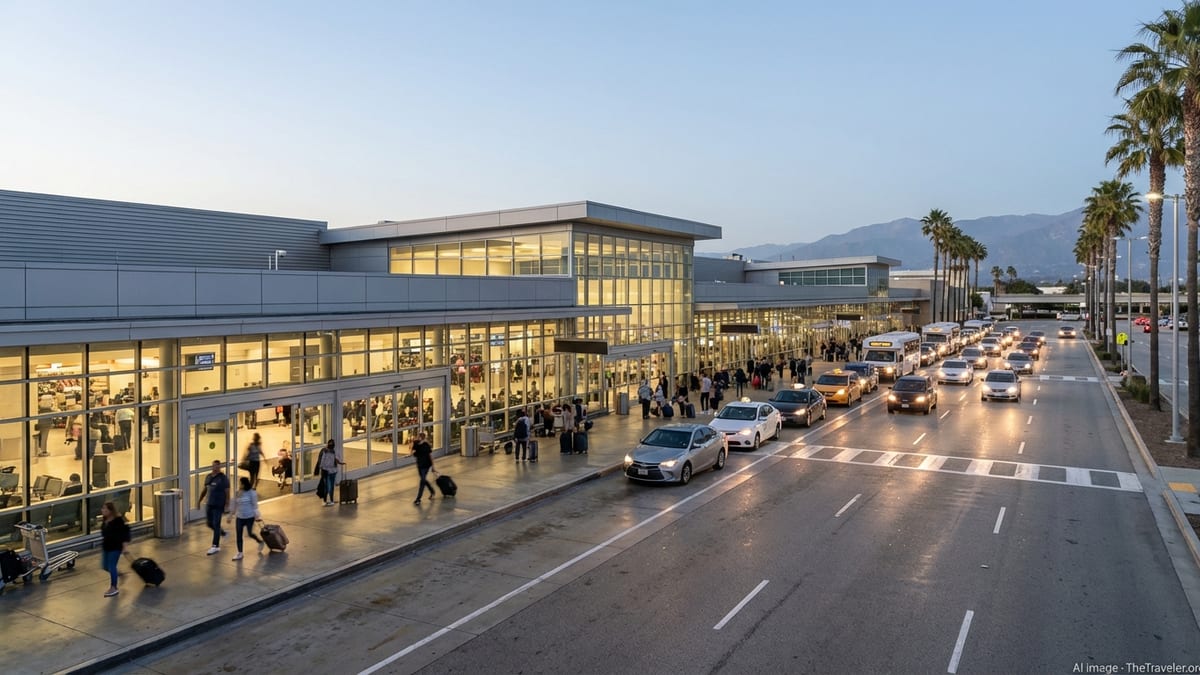
Record Start to 2026 for a Growing Inland Empire Gateway
Ontario International Airport officials reported that nearly 493,000 passengers moved through the airport in January 2026, underscoring the facility’s continued rise as a convenient alternative to larger Southern California hubs. The year-opening figures mark the highest January total since the airport returned to local control in 2016, extending a decade-long transformation for the Inland Empire gateway.
The 3.7% gain compared with January 2025 is particularly notable given a mixed operating environment for U.S. airports, with airlines still carefully managing capacity and fine-tuning domestic schedules. Ontario’s ability to grow overall traffic while some markets flatten points to sustained demand from both local residents and travelers seeking less congested terminals and faster curb-to-gate times.
Airport leaders say the performance validates strategic bets made over the past decade to expand airline partnerships, add routes and invest in passenger-facing improvements. Since 2016, total passenger volume at Ontario has climbed by almost 70%, an ascent that has shifted the airport from niche regional facility to one of Southern California’s most dynamic midsize hubs.
The strong January also follows a milestone 2025, when Ontario handled more than 7.1 million passengers for the year. That full-year tally has set the stage for another potential record in 2026 if current trends hold.
Unprecedented Surge in International Travelers
The standout story within Ontario’s latest data is the dramatic rise in international traffic. The airport handled more than 66,000 international passengers in January, a jump of roughly 64% from the same month a year earlier and the highest single-month total for global travelers in the airport’s history.
That figure surpasses the previous monthly record, set only weeks earlier in December 2025, highlighting how quickly Ontario’s international profile is expanding. While domestic traffic edged slightly lower in January, the surge in overseas and cross-border demand more than offset that softness, pushing overall numbers higher.
The growth in global travelers reflects several converging trends. Southern California remains a magnet for international tourism and business travel, and Ontario’s location closer to fast-growing inland communities gives it an edge with visitors bound for destinations east of Los Angeles. At the same time, airlines have been steadily building out Ontario’s international network, responding to both visiting-friends-and-relatives traffic and rising interest in secondary gateways that relieve pressure on the region’s busiest airports.
For travelers, the airport’s expanding roster of international flights and connections translates to more nonstop options to key markets and fewer time-consuming transfers through distant hubs. For the region, each additional global seat strengthens ties to overseas tourism, trade and investment.
Airline Strategy and Route Expansion Fuel Momentum
Airline decisions have been central to Ontario’s growth story. In January, carriers operating at the airport launched new and expanded services that helped lift passenger counts, including new daily nonstop service to Boise on Alaska Airlines. While that route is domestic, it underscores the confidence airlines have in Ontario’s catchment area and its ability to fill additional seats.
On the international side, recent years have seen the arrival and expansion of carriers such as Taiwan-based Starlux Airlines, whose nonstop service to Taipei has opened a direct bridge between the Inland Empire and the Asia-Pacific region. Coupled with links to Mexico and Central America, these services have positioned Ontario as a rising player in transpacific and Latin American travel from Southern California.
Market share figures underscore the depth of airline commitment. Southwest, American, Alaska, Delta and United collectively command the majority of passenger traffic at Ontario, giving the airport a broad mix of full-service and low-cost options. That diversity offers resilience when individual carriers adjust capacity and provides a platform for future growth as airlines compete for travelers in an increasingly crowded Southern California market.
Airport management has signaled it will continue courting new international routes, particularly to high-growth leisure and visiting-friends-and-relatives destinations in Asia and Latin America. Each new long-haul service has the potential to add thousands of additional international passengers per month, further amplifying the global surge already underway.
Economic Ripple Effects Across Southern California
Ontario’s performance carries implications well beyond the airfield perimeter. Rising passenger volumes, and especially the rapid increase in international arrivals, are feeding directly into hotel occupancy, restaurant activity, retail spending and visitor attractions across the Inland Empire and greater Southern California.
Tourism officials note that global visitors typically stay longer and spend more than domestic travelers, strengthening the case for continued investment in international air service. Ontario’s growing portfolio of global routes therefore supports not just the airport’s bottom line, but the broader regional visitor economy at a time when many destinations are vying for the same international travelers.
Business and cargo activity are also benefiting. Ontario has long been a major West Coast hub for air freight and express logistics; recent data show overall cargo tonnage rising alongside passenger counts. As airlines add more belly capacity on international flights, exporters and importers in the Inland Empire gain additional options for time-sensitive shipments, reinforcing the region’s role as a key logistics corridor.
Local leaders argue that this combination of passenger and cargo strength makes Ontario a strategic asset for economic development, helping attract corporate investment, meetings and events, and new jobs tied to travel, hospitality and logistics. With global tourism and trade both trending upward, the airport’s trajectory suggests it will play an even larger role in Southern California’s growth narrative in the years ahead.
Passenger Experience and Infrastructure Keep Pace with Growth
To sustain its expansion, Ontario is pairing traffic growth with ongoing investments in infrastructure and customer experience. In recent years, the airport has upgraded terminals, refreshed concessions, enhanced security screening areas and rolled out improved ground transportation options, all aimed at streamlining the journey from curb to gate.
Travelers passing through Ontario cite shorter lines, easier parking and a more relaxed terminal environment compared with some of the region’s mega-hubs. As passenger volumes climb, maintaining that sense of convenience is becoming a key differentiator that may help the airport continue drawing both airlines and travelers.
Looking ahead through 2026, airport officials are focused on managing growth while preserving operational reliability. That includes ensuring runway and gate capacity keeps pace with demand, supporting airline partners as they evaluate new routes, and coordinating with city and regional planners on road and transit links that connect the airport to surrounding communities.
With a record-breaking surge in international travelers and a solid 3.7% overall passenger increase to open the year, Ontario International Airport has signaled that its growth story is far from over. For Southern California’s inland region, it is increasingly the front door to the world.