

More news on this day
After more than a decade of waiting, northern Ontario communities from Toronto to Timmins and Cochrane are seeing concrete signs that the long-promised return of the Northlander passenger train is finally nearing the station.
Get the latest news straight to your inbox!
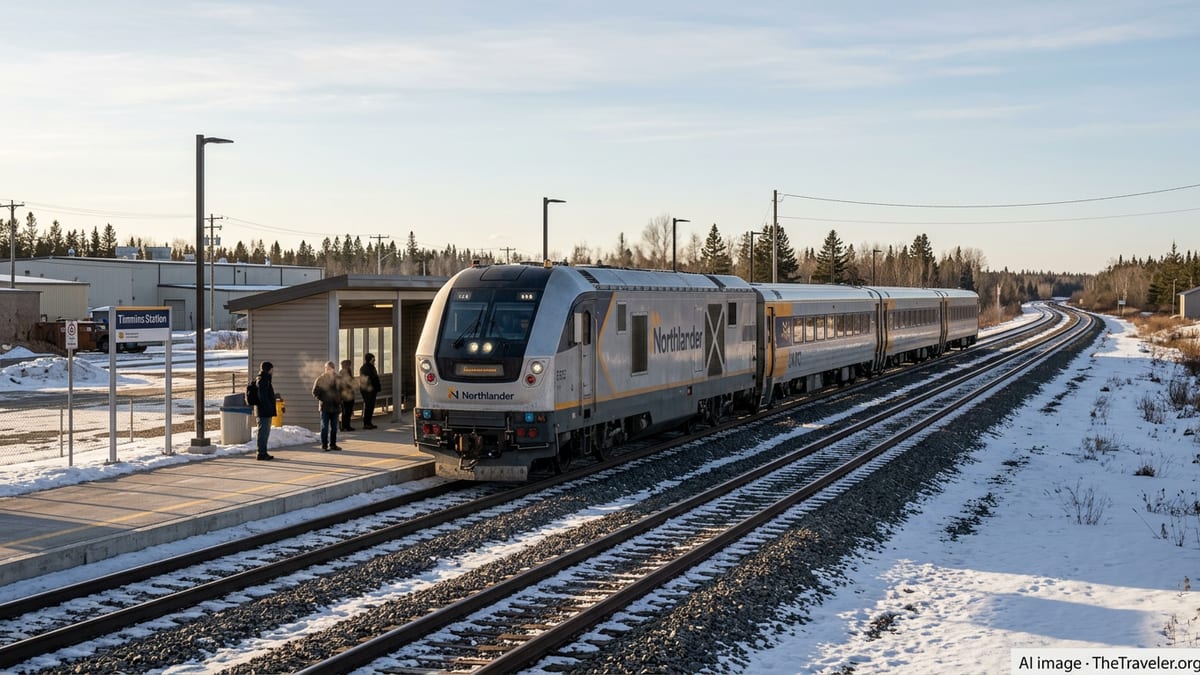
A Massive Rail Purchase Signals a Turning Point
Publicly available information shows that Ontario has now taken several of the big-ticket steps needed to relaunch the Northlander corridor. The province has committed to three new Siemens trainsets for the route, pairing Venture passenger cars with Tier 4-compliant Charger locomotives, a purchase first confirmed in late 2022 and repeatedly referenced in subsequent planning documents and corporate updates. These modern, push-pull trains are intended to anchor a new era of intercity service between Toronto and the northeast.
Government releases and corporate materials indicate that these trainsets are being purpose-built for the reinstated Northlander, with dedicated business and economy coaches and an accessible cab car to allow bidirectional operation. Delivery is targeted for 2026, aligning with the stated goal of bringing passenger rail back to the corridor in the mid-2020s. The order has been widely interpreted by observers as a decisive signal that the project has moved beyond concept and into execution.
Recent updates from Ontario Northland and the Ministry of Transportation describe the Northlander as a 740‑kilometre service linking Toronto’s Union Station with Timmins, and providing a direct rail connection onward to Cochrane. That extended link is seen as especially important for tying into the existing Polar Bear Express service from Cochrane to Moosonee, reinforcing the role of rail as a lifeline for remote northern communities and a potential draw for adventurous travelers.
For many residents in Timmins, Cochrane, North Bay and smaller towns along the route, the rail purchase, combined with visible construction work and infrastructure upgrades, has shifted the conversation from whether the Northlander will return to how soon it will be running and what the final timetable will look like.
Timmins and Cochrane Prepare for a New Era of Connectivity
Timmins, which lost direct passenger rail more than a decade ago, is poised to become the northern terminal for the revived Northlander. Environmental reports and project documents show that a new Timmins-Porcupine Station is under construction in the city’s east end, designed specifically for the reinstated service. The station project includes new platforms, parking and passenger amenities, addressing the fact that the previous iteration of the Northlander did not serve this location.
Farther up the line, Cochrane will serve as a crucial connecting point rather than the primary terminus. Existing facilities at Cochrane Station, already used for the Polar Bear Express, are being leveraged to minimize new construction costs and speed up the integration of services. According to publicly available planning materials, passengers will be able to travel by Northlander from Toronto to Timmins, then continue by rail from Timmins to Cochrane to meet the Polar Bear Express heading to Moosonee.
Local coverage across northeastern Ontario has highlighted the economic and social stakes of restoring this link. Timmins and Cochrane business groups have long argued that reliable rail could support tourism, make it easier for workers and students to travel south, and provide an alternative to long winter drives on Highway 11. The new station in Timmins and the use of established rail infrastructure in Cochrane are being framed as central pieces of a broader effort to connect communities that currently rely heavily on buses, cars and limited air service.
Travel observers point out that, once trains are running, the corridor will offer an appealing overland route for visitors interested in experiencing classic Canadian rail travel, pairing the Northlander with the Polar Bear Express for a multi-day journey into the James Bay region. That potential is one reason tourism promoters in Timmins and Cochrane are closely watching construction milestones and rolling stock deliveries.
Toronto and the Corridor Towns Await the Return of Through Service
At the southern end of the line, Toronto Union Station will again become the gateway to the north. Ministry planning documents and route descriptions describe a chain of 16 stops between Toronto and Timmins, including familiar former Northlander communities such as Washago, Gravenhurst, Bracebridge, Huntsville, South River, North Bay, Temagami, Temiskaming Shores, Englehart, Kirkland Lake and Matheson. New heated shelters are being built or upgraded at many of these intermediate points to modern accessibility and safety standards.
Platform reconstruction and shelter installation contracts have been awarded across the corridor, according to Ontario government announcements. Construction is reported at locations including North Bay, Temagami, Temiskaming Shores, Englehart, Kirkland Lake, Matheson and Cochrane. These works range from rebuilding platforms and improving lighting to installing new warning systems and heated waiting areas, all intended to make the service more comfortable and reliable in northern winters.
For Toronto travelers, the reinstated Northlander would restore a direct, rail-based way to reach cottage country and onward into the north without driving. Analysts note that, combined with ongoing investments in regional transit and Union Station capacity, the service could fit into a broader shift toward rail as a practical alternative to the car for mid-distance journeys in Ontario. Even before timetables are finalized, rail advocates are already discussing how the Northlander might connect with other routes and transit services at Union Station.
Communities along the Muskoka and Near North segments of the route are also treating the progress as an economic development opportunity. Municipal planning documents and local reporting frequently reference the expectation that renewed rail access could attract visitors year-round, not only for summer lakeside tourism but for winter sports and events that benefit from reliable transport options.
Infrastructure Investments Build Momentum and Raise Expectations
The train purchase is only one piece of an extensive infrastructure program stretching from Toronto to the northeast. Government releases over the past year highlight more than 100 million dollars in dedicated Northlander rail infrastructure investments, including track improvements, station works and safety upgrades. A new North Bay Rail Bypass has been completed to streamline movements through that key junction, and track upgrades between North Bay and Cochrane are described as being designed to improve speeds and reliability for both passenger and freight operations.
Most recently, Ontario announced the acquisition of a substantial section of track between North Bay and Washago from a major freight railway, representing more than a quarter of the full Northlander corridor. Public commentary surrounding that purchase characterizes it as a major strategic move, giving Ontario Northland greater control over dispatching and future upgrades on a critical segment that links the north to the Greater Toronto Area.
Project documents also show that environmental assessments, Indigenous engagement and community consultations have been central to the planning process, particularly around the new Timmins-Porcupine Station and related works. Reports indicate that input from northern municipalities, Indigenous organizations and local residents has shaped station design, access, and mitigation measures related to noise, traffic and land use.
While some rail and transit observers caution that large infrastructure undertakings are vulnerable to delays, publicly available statements from Ontario Northland and provincial officials continue to describe the Northlander restoration as on track and within its budget envelope. With trainsets under construction, stations taking shape and new ownership of key track segments secured, expectations are rising that test runs and eventual passenger service could follow in the coming years, potentially beginning in 2026.
What Travelers Can Expect When the Northlander Rolls Again
Draft business cases, public information pamphlets and recent coverage provide early hints of what the onboard experience could look like when the Northlander returns. The Siemens-built equipment is expected to offer modern seating in business and economy classes, accessible washrooms, baggage space and amenities such as power outlets and likely onboard Wi‑Fi, similar to other new-generation intercity trains entering service in Canada.
The proposed service plan calls for up to seven round trips per week between Toronto and Timmins, with coordinated connections to Cochrane. Early schedule concepts released for consultation indicate that at least some trains would depart Toronto in the morning and arrive in the northeast by evening, with southbound runs timed to allow overnight stays in Timmins or Cochrane before a daylight journey back to the city.
For leisure travelers, that pattern could make long weekend trips from Toronto to northern Ontario practical without the need for a car, especially when combined with local transit and shuttle services at key stops. For residents of Timmins, Cochrane and the corridor towns, the Northlander promises a more predictable and weather-resilient option for reaching the province’s economic and cultural hub, as well as medical, educational and government services concentrated in the south.
With the first new trainset already delivered to Ontario and more on the way, the sight of Northlander-branded coaches on northern rails is moving from nostalgia to near-term reality. For communities that have campaigned for more than a decade to see the train return, the province’s massive rail purchase and ongoing construction program are being read as powerful indications that the long wait may finally be nearing its end.