

More news on this day
A sharp spike in spring pollen across Oregon is combining with active weather systems and lingering drought conditions to create a difficult start to April, with respiratory distress and patchy travel disruption now being reported across several Western states.
Get the latest news straight to your inbox!
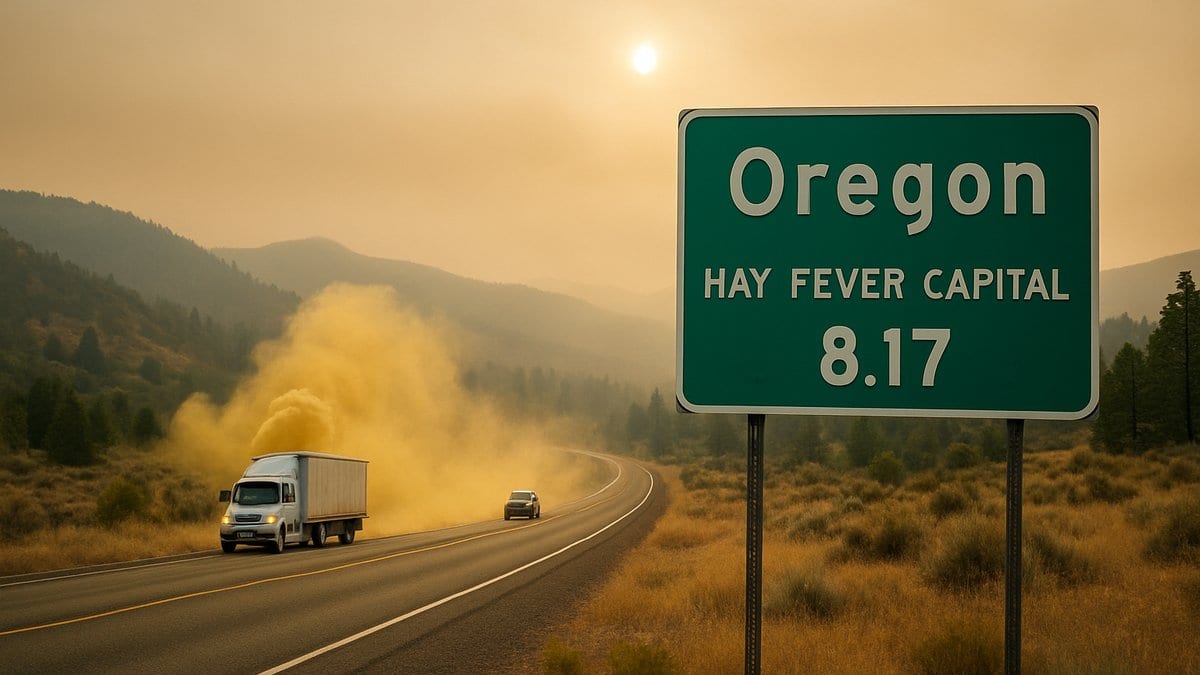
Pollen Levels Spike After Unusually Warm, Dry Winter
Publicly available allergy and environmental data indicate that spring 2026 has arrived on the back of an unusually warm and relatively dry winter in parts of the Pacific Northwest and interior West. Research published by the U.S. Forest Service in early April reports record-low snowpack as of February 1 in Oregon, Colorado and Utah, conditions that typically allow trees and grasses to pollinate earlier and more intensely than average.
In Oregon, a long-established hotspot for grass and tree pollen, social media and community forums have filled with accounts of residents in cities such as Eugene and Portland describing severe allergy flares, congestion and fatigue well before the traditional late-spring grass pollen season. Similar anecdotal reports are emerging from coastal and inland communities in Washington and Idaho, suggesting a broad regional surge in airborne allergens.
National and regional allergy trackers point to elevated tree pollen in late March and early April, with allergy organizations noting that climate trends are lengthening pollen seasons and increasing total pollen loads across the United States. The combination of early flowering, persistent dry intervals and periodic wind events is creating a volatile mix for sensitive travelers transiting the region this week.
In Colorado and Utah, where snowpack has also lagged historic norms, local pollen forecasts are beginning to reflect rising tree and weed counts in urban corridors along the Front Range and Wasatch Front. Health experts cited in recent coverage link the early onset of symptoms to the same set of climatic drivers affecting Oregon, raising the prospect of a prolonged and more intense allergy season across multiple Western states.
Air, Road and Rail Travel Face Compounding Irritation Risks
Travel disruptions tied directly to pollen tend to be subtle compared with high-profile hazards such as snow or flooding, yet this spring’s pattern in the West is creating a web of compounding effects for people in transit. Regional news reports describe a succession of Pacific storm systems bringing gusty winds through mountain passes and along major corridors such as Interstate 5 and Interstate 84, conditions that can loft and redistribute pollen clouds far from their source.
In Oregon, Washington and Idaho, recent weather advisories have highlighted strong crosswinds and changeable conditions on key truck and passenger routes. These same winds are likely amplifying exposure for motorists, bus passengers and rail travelers, particularly when windows or ventilation systems draw in outdoor air saturated with tree and grass particles. For individuals with asthma or severe allergies, even short roadside stops can trigger symptoms during peak hours.
Air travel is also feeling indirect pressure. Airlines serving Portland, Seattle, Boise, Salt Lake City and Denver have already contended with storm-related delays tied to rain, mountain snow and turbulence during late March. While pollen itself does not ground flights, the overlap of active weather, hazier skies and higher rates of respiratory distress among passengers can complicate operations, especially when medical assistance is requested on board or at crowded terminals.
Rail operators in the region are navigating similar challenges. Passenger services that rely on open-platform boarding or unfiltered cabin ventilation can see elevated irritant exposure among riders, particularly along low-lying river valleys in western Oregon and Washington where historic grass-seed agriculture has contributed to recurring seasonal pollen spikes.
Tourism and Outdoor Recreation Confront Allergy Season Uncertainty
The timing of this year’s pollen surge is awkward for tourism marketing in Oregon and neighboring states, coinciding with the launch of spring festival calendars, wine-country events and early hiking and cycling promotions. Travel-industry sites have begun flagging Oregon as a leading hotspot for very high pollen days, urging visitors to plan ahead when booking outdoor-focused itineraries.
In popular destinations from the Willamette Valley to central Oregon’s high desert, lodging operators and tour providers are fielding questions about air quality, seasonal allergies and refund flexibility. Publicly accessible travel advisories and health bulletins recommend that visitors with known sensitivities monitor daily pollen forecasts for cities along their routes, including Eugene, Salem, Portland, Bend, Boise, Salt Lake City and Denver.
Mountain and coastal areas are emerging as relative refuges. Anecdotal reports from Oregon’s coast and higher-elevation communities suggest that some travelers are adjusting plans to spend more time near the ocean or above valley floors, where pollen counts can be lower when onshore breezes or cooler temperatures limit plant release. Similar patterns are being noted in parts of Washington’s Olympic Peninsula and higher terrain in Colorado and Utah, where residual snowpack still dampens vegetation.
Outdoor recreation planners are responding with schedule tweaks and messaging that emphasizes flexible itineraries. Guides and outfitters are encouraging travelers to build in indoor alternatives on high-count days, such as museum visits, culinary experiences or spa stays, while leaving room for trail excursions when cooler, wetter weather temporarily suppresses pollen.
Health Systems and Businesses Adapt to Extended Allergy Burden
Across the West, public health surveillance and commercial data point to a broader economic footprint from seasonal allergies. The Asthma and Allergy Foundation of America has repeatedly ranked several Pacific Northwest and Intermountain cities among the more challenging locations for those with pollen sensitivities, reflecting the combined effects of climate, urban growth and regional vegetation.
Recent business and health-sector reporting suggests that rising allergy prevalence and more intense seasons are contributing to surging demand for indoor air-quality products. Market analyses project that spending on advanced HVAC filtration, portable air purifiers and smart air-quality monitors could nearly double over the coming decade, with spikes in consumer interest often coinciding with severe pollen episodes.
Medical providers in Oregon, Washington, Idaho, Utah and Colorado are preparing for what could be an extended period of clinic visits tied to seasonal rhinitis, sinusitis and asthma exacerbations. Public information campaigns typically advise patients to review treatment plans before travel, ensure access to rescue inhalers and consider protective measures such as masks and cabin air filtration settings when moving through high-exposure environments like airports and transit hubs.
Employers and schools are also bracing for higher absenteeism and reduced productivity during peak weeks. Remote-work options, flexible scheduling and simple accommodations such as improved office filtration and window management are being promoted in some guidance as cost-effective ways to reduce the pollen burden on workers and students.
Travel Planning Strategies for a Volatile Spring
With April weather across the western United States expected to oscillate between active Pacific systems and warmer, drier breaks, travel planners are emphasizing preparation over panic. Federal long-range outlooks point to above-normal temperatures across much of Oregon, Idaho, Utah and Colorado, with a mix of near- to below-normal precipitation in some coastal zones, a pattern that can prolong or intensify pollen seasons.
For travelers heading into or through the region, publicly available guidance recommends building extra time into itineraries to account for weather-related delays, while also planning for allergy management. This includes checking regional pollen forecasts alongside standard weather apps, packing appropriate medications, and considering mask use in crowded transport settings or on windy days.
Transportation providers are expected to continue prioritizing safety decisions around storms, wind and visibility, while health agencies focus on mitigating the human impact of the pollen surge. As Oregon’s 2026 season accelerates and neighboring states report their own spikes, the intersection of climate trends, air quality and mobility is likely to remain a prominent concern for residents and visitors alike well into the spring.