

More news on this day
An Oregon woman who vanished after leaving her stranded car to accept a ride from a stranger along a rural highway has been found safe, ending a days-long search that drew widespread attention and raised fresh questions about roadside safety.
Get the latest news straight to your inbox!
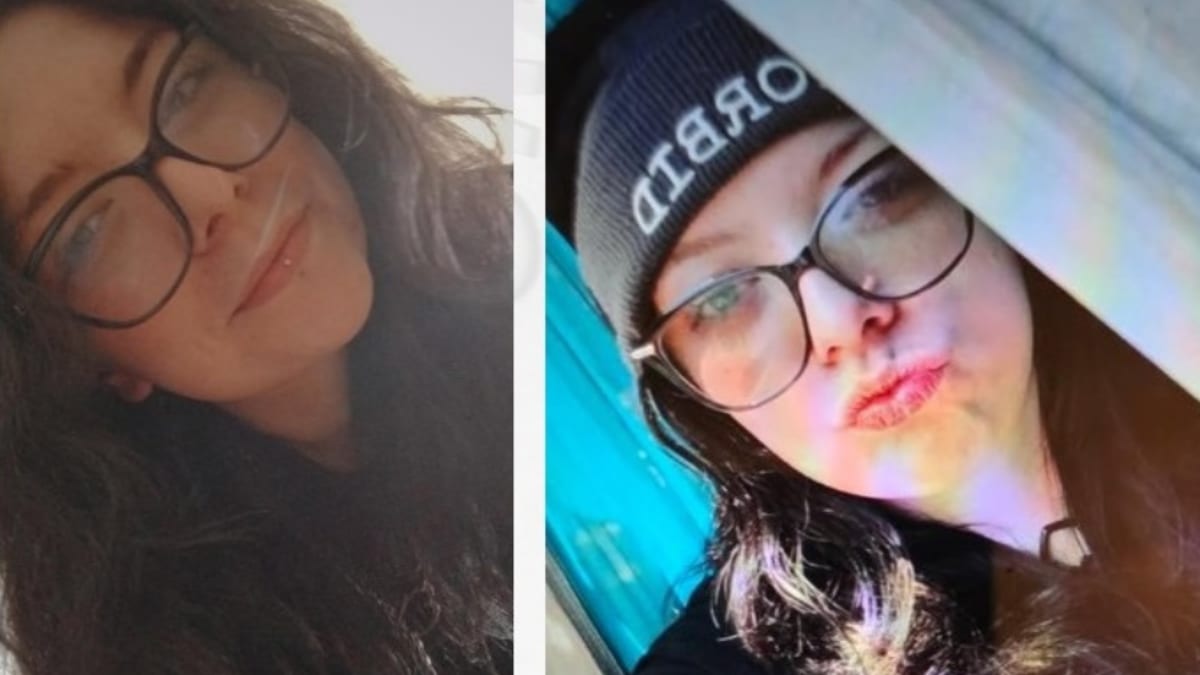
Disappearance Along Highway 22 Sparks Urgent Search
According to published coverage, 28-year-old Maria Linda Jade Kilmer went missing on the night of Saturday, March 28, 2026, after her vehicle ran out of gas along Highway 22 between Lyons and Salem in western Oregon. She had been traveling with a passenger when the car became disabled on the side of the road.
Reports indicate that Kilmer shared her location with a family member and expected help to arrive. When her mother reached the site, she found the car and the passenger still there, but Kilmer was gone. The vehicle reportedly contained her phone, wallet, identification, eyeglasses, daily medications, and other personal belongings.
Publicly available information shows that the remaining passenger told the family that Kilmer had accepted a ride from an unknown motorist who stopped along the highway. The lack of contact from Kilmer afterward, combined with the belongings left behind, quickly heightened fears that something had gone seriously wrong.
Coverage from regional outlets describes how the unusual circumstances around her disappearance, including text messages later received by family that did not seem consistent with her usual tone, contributed to the sense of alarm.
Found Safe After Days Of Public Concern
By Friday, April 3, 2026, state police announced that Kilmer had been located safe and unharmed. According to reports carried by multiple local and national news organizations, she was found in the Salem area after nearly a week in which friends, relatives, and members of the public shared her photo and details about her case.
Published accounts do not describe any injuries, and there has been no public indication that she required medical treatment when she was found. Available reporting instead emphasizes that, following verification by investigators, she was confirmed to be safe.
Authorities have not publicly released detailed information about where Kilmer had been during the days she was unaccounted for, how she left the area where her car broke down, or what role, if any, the unidentified motorist played after she accepted a ride. News coverage notes that some aspects of the episode remain unclear and that investigators have not made those findings public.
For relatives and supporters who had been organizing search efforts and sharing her story across social media, confirmation that she was safe brought a rapid shift from fear to relief, even as many questions about the timeline between her disappearance and recovery remain unanswered.
Questions Surround Ride With Unidentified Driver
The case has drawn heightened interest in part because it centers on a decision many drivers might face: whether to accept help from a stranger when stranded on a rural roadside. Coverage in outlets including regional television stations and national aggregators highlights the fact that Kilmer reportedly left behind essential items when she departed in the other vehicle.
Publicly available information indicates that family members were puzzled that she would leave her phone, wallet, and prescription medication in the disabled car when a ride was already on the way. That detail, along with later text messages that relatives felt did not sound like her, fueled widespread speculation about what had happened after she left with the unidentified driver.
Reports indicate that state police initially sought information from anyone who might have seen a woman matching Kilmer’s description getting into another vehicle along Highway 22 that night. As coverage expanded beyond Oregon, the story was carried by national news networks and digital outlets, reflecting a broader public fascination with cases that begin as missing person investigations and end with the subject found alive.
Despite the attention, investigators have not publicly named the driver who allegedly picked her up, nor have they detailed any conclusions about that person’s involvement. Without those details, much of the narrative surrounding the stranger’s role remains limited to what has been summarized in official statements and relayed through media reports.
Community Response And Online Scrutiny
During the days Kilmer was missing, community response was swift. Local television affiliates in Oregon carried appeals for information, while social media posts about her disappearance were widely shared in regional forums and national missing-person groups. Commenters expressed concern about her safety and debated the circumstances described in early news stories.
According to publicly available coverage, some online discussion focused on inconsistencies people perceived in early accounts, such as why the passenger remained with the car and what exactly transpired before Kilmer accepted the other ride. Others emphasized the importance of avoiding speculation about the actions of any individual while the case was still unfolding.
Once news broke that she had been found safe, the tone of much of the online discourse shifted. Many users welcomed the outcome and suggested that, whatever the unanswered questions, the most important result was that a potentially tragic case had ended without physical harm to the missing woman.
Commentary in public forums also reflected a broader recognition that the full details of situations like this often remain private, particularly when no ongoing public safety threat has been identified and when those involved wish to limit further scrutiny.
Roadside Safety Concerns Highlighted
Although the circumstances of Kilmer’s days away from home remain largely undisclosed, her case has renewed attention on the risks associated with roadside breakdowns and accepting rides from unknown motorists. Safety guidance from transportation agencies and driver-assistance groups, summarized in public resources, generally advises stranded motorists to remain with their vehicle whenever it is safe to do so and to contact trusted help or emergency services directly.
Common recommendations in those materials include pulling as far off the roadway as possible, turning on hazard lights, and, when available, using mobile phones or in-vehicle assistance systems to request help rather than entering another person’s car. If a passerby offers assistance, guidance often suggests staying inside the vehicle with doors locked while asking the person to call for professional roadside support.
In rural areas such as the stretch of Highway 22 where Kilmer’s car reportedly ran out of gas, cell coverage and traffic density can vary, complicating decisions for drivers who find themselves stranded at night. The case has prompted renewed calls in some public discussions for improved lighting, better access to emergency call boxes, and education campaigns about what drivers should do when vehicles break down in isolated locations.
For now, the episode stands as a rare missing person case with a positive outcome, while still underscoring how quickly a routine drive can turn into a high-profile search when circumstances around a roadside encounter with a stranger are not immediately clear.