

More news on this day
An Oregon woman whose disappearance along a rural stretch of Highway 22 drew widespread concern after she reportedly left her stranded car with an unidentified driver has been found safe and unharmed, according to new reports from Oregon outlets.
Get the latest news straight to your inbox!
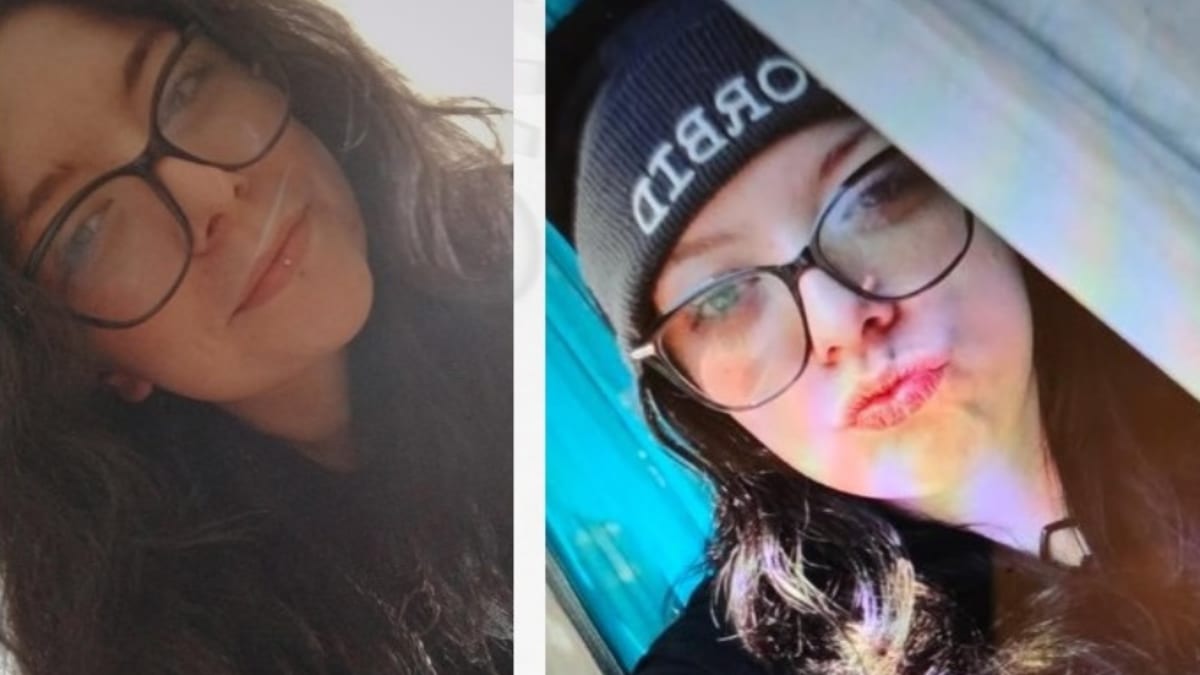
Roadside breakdown near Stayton sparks urgent search
Publicly available information indicates that 28-year-old Maria Linda Jade Kilmer disappeared on March 28 after her car reportedly ran out of gas on Highway 22 near Stayton, about an hour southeast of Portland. Coverage from regional news organizations describes how the vehicle became disabled near milepost 15, leaving Kilmer and another person at the roadside in the late evening.
According to published coverage, a passing motorist stopped and offered a ride. Kilmer is reported to have gotten into that vehicle, leaving behind her personal belongings, including her phone and wallet, inside the stranded car. When a family member arrived at the scene a short time later, they reportedly found the car and the passenger who had stayed behind, but not Kilmer.
The unusual circumstances, including the remote location, the late hour, and the fact that Kilmer’s essential items remained in the car, quickly raised alarms among relatives and community members. Local and national outlets highlighted the case, with images of the missing woman circulating widely on television and social media over the following days.
Discovery brings relief after days of unanswered questions
On April 3, updated reports from Oregon-based coverage indicated that Kilmer had been located safe and unharmed. Online summaries of those reports note that she was found several days after she was last seen getting into the unidentified motorist’s vehicle near Stayton.
Details about where she was found or what occurred in the days after her disappearance have not been widely disclosed as of April 3. Published accounts state only that she has been located and is no longer considered missing, bringing a measure of relief to a case that had rapidly drawn national attention.
Earlier reports had described a growing effort to find Kilmer, with information shared across multiple states via television stations that rebroadcast regional coverage. That attention appears to have ended with Thursday’s confirmation that she is safe, even as questions remain about her movements and the driver who initially picked her up.
Highway 22 case highlights risks of accepting rides from strangers
The circumstances of Kilmer’s disappearance have renewed public discussion about the risks of accepting rides from unknown motorists when vehicles break down in isolated areas. Travel safety advocates frequently advise stranded drivers to remain with their vehicle when it is in a visible and relatively safe location, and to contact family, roadside assistance, or emergency services rather than accepting unverified offers of help.
Highway 22, which links the Willamette Valley to the Oregon Coast and the Cascade foothills, includes stretches with limited lighting, spotty mobile service, and fast-moving traffic. These conditions can make breakdowns particularly stressful for motorists who are unfamiliar with the area or traveling at night.
For travelers, the case serves as a reminder of several commonly recommended precautions: keeping fuel levels well above empty in rural corridors, carrying a charged mobile phone and portable battery, and sharing trip details with a trusted contact before setting out. While many roadside encounters end without incident, Kilmer’s disappearance and subsequent search have underscored how quickly a routine drive can turn into a high-stakes situation when a vehicle becomes disabled far from home.
Online attention and community concern drive national coverage
From the initial missing-person notices to the announcement that Kilmer had been found, the case unfolded largely in public view. Television stations across the United States picked up video segments originating from Oregon newsrooms, while national outlets summarized the situation based on those broadcasts and state police bulletins.
On social platforms and community forums, users shared missing-person flyers, discussed the unusual detail that Kilmer reportedly left her phone and wallet in the car, and urged anyone traveling Highway 22 to report potential sightings. That grassroots attention mirrored similar high-profile roadside disappearance cases that have emerged in the Pacific Northwest in recent years.
Travel-focused readers have taken particular interest in how quickly a stranded motorist’s situation can escalate into a multi-day search once cell service, darkness, and unfamiliar surroundings are in play. Kilmer’s safe recovery has been widely welcomed, but the days of uncertainty illustrated how dependent modern travelers are on constant connectivity and careful trip planning to avoid becoming vulnerable when vehicles fail.
What travelers can learn from the Stayton disappearance
While many factual details remain limited in public reporting, the sequence of events that has been described offers several takeaways for drivers, especially those planning road trips through Oregon and the broader Pacific Northwest. Running out of fuel on a rural highway is a foreseeable risk, and travel experts often recommend treating the half-tank mark as an informal refueling threshold on less-populated routes.
Reports on the Stayton case also highlight the importance of maintaining some means of communication and identification on one’s person when stepping away from a vehicle. Carrying a phone, identification, and a small amount of cash or a payment card can be critical if a roadside situation changes unexpectedly or if a traveler becomes separated from their car for longer than anticipated.
Finally, the case underscores the value of clear, time-stamped updates between travelers and their families or friends. Kilmer’s earlier messages to relatives helped narrow the timeframe and location of her disappearance, according to multiple news summaries, enabling a focused search along Highway 22. For readers of TheTraveler.org, her safe return stands as a fortunate outcome and a vivid prompt to revisit personal safety habits before the next journey.