

More news on this day
Passengers traveling through Orlando International Airport faced significant disruption as the hub recorded 198 delays and nine cancelled flights, creating a ripple effect for JetBlue, Southwest, Spirit and other carriers on routes linking Atlanta, Dallas, Boston and additional major U.S. cities.
Get the latest news straight to your inbox!
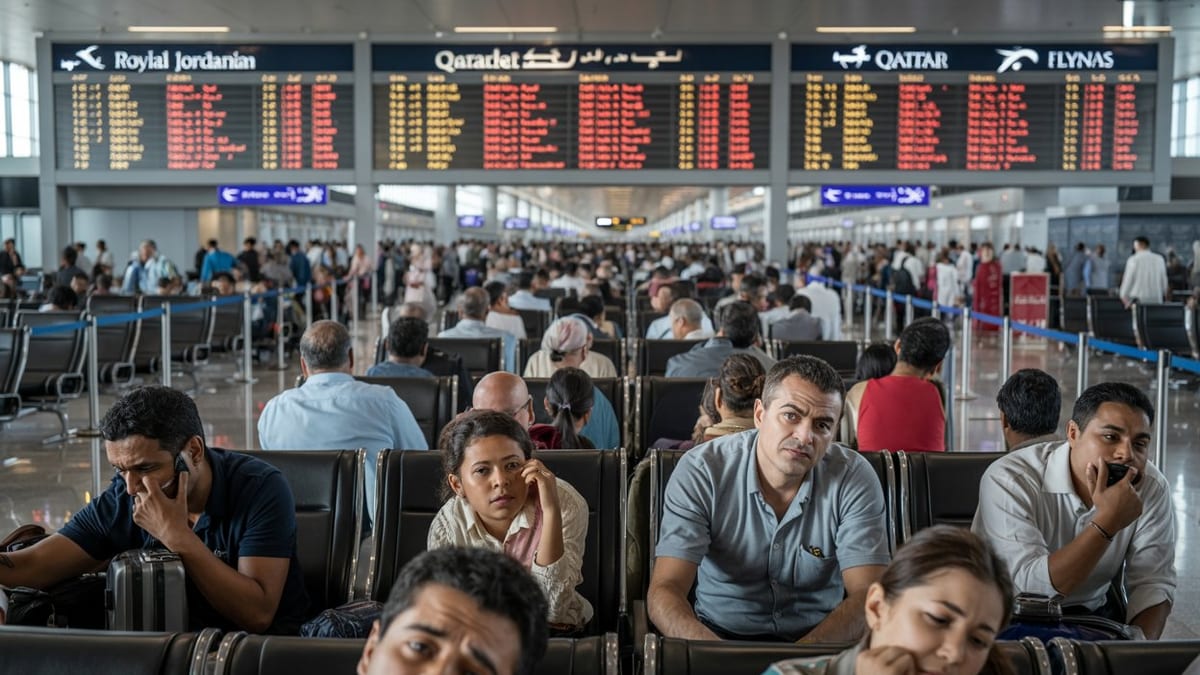
Heavy Delays At Orlando Create Nationwide Knock-On Effects
Operational data compiled from real time flight tracking platforms on April 7, 2026, indicates that Orlando International Airport experienced one of the heaviest clusters of schedule disruption among major U.S. hubs, with 198 delayed departures and arrivals alongside nine cancellations. While such figures represent a fraction of the airport’s total daily movements, they were concentrated across peak travel periods, amplifying queues at gates and customer service counters.
Published coverage of nationwide air travel on the same day points to broader strain across the U.S. network, with thousands of delays and more than two hundred cancellations reported at large airports including Atlanta, Chicago, Houston, New York and Orlando. In this context, Orlando’s 198 delays contributed to a wider pattern in which weather systems, tight staffing and aircraft rotation issues combined to slow operations across multiple regions.
Reports show that Orlando’s disruption was felt not only by local passengers beginning or ending their journeys in central Florida, but also by travelers connecting across the country. Missed onward flights and tighter connection windows were reported on services linking Orlando with key hubs, particularly where aircraft arriving late from other congested airports cascaded further delays into the schedule.
The knock-on effect extended well beyond Orlando’s terminals. Flights leaving on time from other airports were sometimes held for late arriving inbound aircraft from Florida, while crews and aircraft scheduled to operate subsequent legs out of Orlando occasionally reached their next assignments behind schedule, spreading disruption to additional cities.
JetBlue, Southwest, Spirit And Peers Among Most Affected Carriers
Publicly available flight boards and industry monitoring on April 7 show that several well known U.S. carriers were particularly exposed to the disruption centered on Orlando. JetBlue, Southwest and Spirit, all of which operate substantial schedules at Orlando International Airport, registered clusters of delayed flights, alongside scattered cancellations affecting both leisure and business routes.
JetBlue, which relies heavily on Orlando for routes to Boston, New York and select Caribbean destinations, was impacted when delays on inbound legs constrained turn times and reduced flexibility to absorb further schedule changes. Historical U.S. Department of Transportation data indicates that JetBlue tends to have a higher share of disrupted flights than some legacy competitors, which can intensify the effects when a hub experiences a concentrated period of congestion.
Southwest, a major presence at Orlando with a network linking Dallas, Atlanta and multiple Midwestern and Western cities, also saw its operations challenged. While recent consumer reports have highlighted comparatively low cancellation rates for Southwest on an annual basis, the volume of delays recorded on April 7 underlines how even generally reliable carriers can be affected when large hubs across the network encounter simultaneous weather, traffic management and staffing constraints.
Spirit, which markets low cost, high density services into Orlando from cities including Boston, Dallas and numerous secondary markets, likewise recorded a meaningful share of the delayed and cancelled flights. Online passenger accounts from recent weeks describe full departure boards at Orlando showing extensive delays for Spirit and other budget carriers, reflecting the sensitivity of tight turnarounds and lean schedules to any external disruption.
Key Routes To Atlanta, Dallas And Boston Hit By Rolling Disruptions
The disruption at Orlando was particularly visible on trunk routes to other major hubs, including Atlanta, Dallas and Boston. These airports feature heavily in domestic connection patterns, which meant that delays on any single Orlando flight often affected a larger web of onward journeys.
Atlanta, already identified in separate national coverage as one of the hardest hit hubs in terms of daily delays and cancellations, saw additional pressure from late arriving flights originating in Florida. When Orlando departures to Atlanta ran behind schedule, the impact was felt on subsequent flights leaving Atlanta for smaller regional destinations, increasing the likelihood of missed connections and overnight rebookings for affected travelers.
Dallas area airports, including Dallas Fort Worth and Dallas Love Field, also experienced knock on disruption linked to Orlando services, particularly on carriers that rely on fast aircraft turns to maintain high daily utilization. Even modest delays on morning departures from Orlando could translate into compressed turnaround windows in Texas, raising the risk of further schedule slippage later in the day.
On the East Coast, Boston Logan saw delays on some Orlando linked routes, adding to a broader pattern of congestion reported in the Northeast during periods of unsettled spring weather. Passengers connecting in Boston from Florida bound for transatlantic services or other domestic destinations faced added uncertainty as arrivals from Orlando fluctuated around their scheduled times.
Weather, Staffing And Network Complexity Drive Spring Travel Strain
Analysts point to a combination of seasonal weather patterns, air traffic management programs and airline staffing pressures as underlying drivers of the latest disruption. Recent nationwide reporting shows that March and April often bring volatile conditions across large parts of the United States, including thunderstorms and strong frontal systems that can force ground stops or capacity reductions at major hubs.
In the weeks leading up to the April 7 disruption, several U.S. airports, including Orlando, experienced waves of delays linked to storms and low visibility, according to accounts shared by travelers and summarized by local media. When similar weather conditions reappear, air traffic control measures designed to maintain safety can rapidly reduce the number of aircraft that can land or depart per hour, causing backlogs both on the ground and in the air.
Network complexity further magnifies these issues. Orlando International Airport is one of the busiest leisure gateways in the country, with carriers such as Southwest, Spirit and JetBlue scheduling dense banks of departures during morning and late afternoon peaks. When disruptions hit during these high demand windows, recovery can be slow, particularly if crews reach duty time limits or if spare aircraft are not immediately available to cover cancelled rotations.
Industry level statistics released in recent weeks highlight that several larger U.S. airlines have worked to improve on time performance over the past year, yet overall flight delay rates remain significant, especially at busy hubs. The figures from Orlando on April 7 show how even incremental operational challenges at a single airport can still produce visible effects across the national network.
What The Orlando Disruptions Mean For Upcoming Spring And Summer Travel
The scale of delays and cancellations recorded at Orlando International Airport on April 7 serves as an early warning for travelers heading into the peak spring break and summer seasons. Recent analysis of federal data shows that delay rates typically increase as volumes rise through late spring and into summer, particularly at leisure focused airports in Florida and other sunbelt states.
With carriers such as JetBlue, Southwest and Spirit planning robust schedules to meet demand for Orlando’s theme parks and resort areas, passengers may face a higher likelihood of congestion during popular travel days. The latest disruption illustrates how quickly a combination of heavy traffic, weather and tight aircraft utilization can challenge even large, well resourced hubs.
Travel insurance and passenger rights organizations have recently emphasized the importance of preparing for potential flight disruptions, citing elevated cancellation and delay statistics across multiple U.S. carriers. The events at Orlando highlight how missed connections at major hubs like Atlanta, Dallas and Boston can complicate journeys even when the original delay appears modest.
For now, flight operations at Orlando and other major airports continue to adapt day by day to shifting weather patterns and evolving demand. The 198 delays and nine cancellations logged at Orlando on April 7 stand as a reminder of the fragility of tightly wound airline schedules and the cascading impacts that disruptions at a single hub can have across the broader U.S. air travel network.