

More news on this day
Orlando is stepping onto a bigger global stage for spring break 2026, joining Miami, Fort Lauderdale, Cancun, Rome, Paris, Barcelona, London and Amsterdam on new lists tracking where U.S. travelers are heading this season.
Get the latest news straight to your inbox!
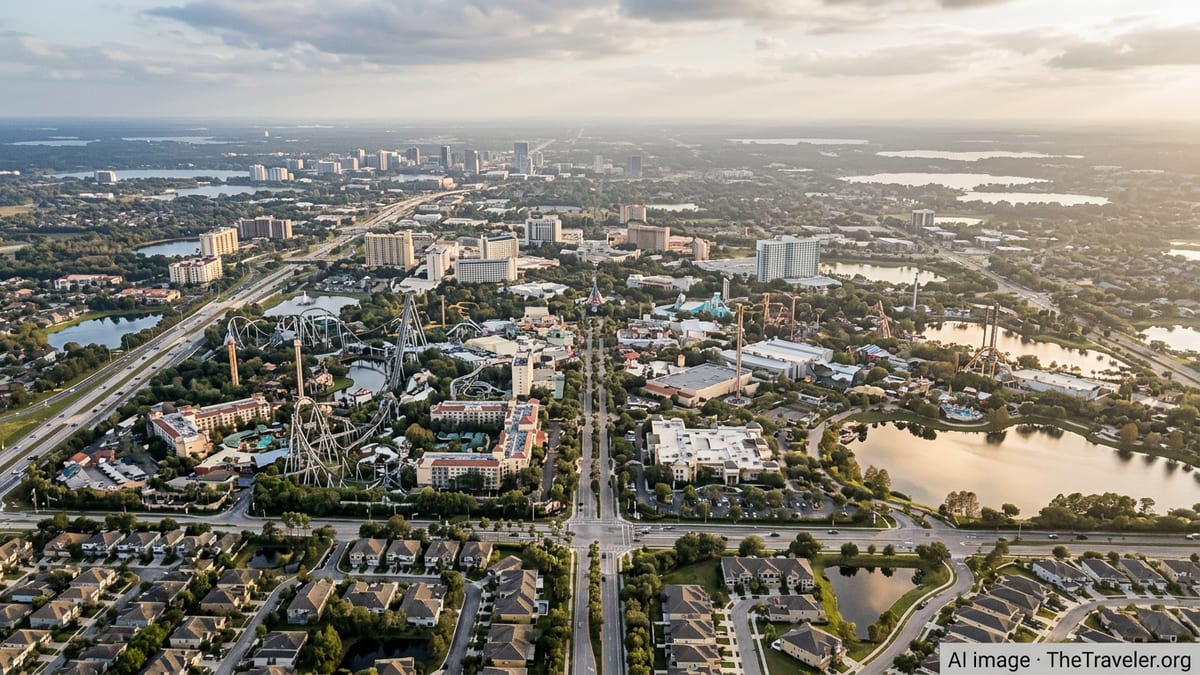
New Data Puts Orlando Among Global Spring Break Heavyweights
Fresh booking and survey data released in recent weeks point to Orlando as one of the most in-demand destinations for U.S. spring breakers in 2026, ranking alongside traditional hotspots in Florida and Europe. Travel organizations and online agencies tracking air itineraries, hotel reservations and package bookings report that Orlando now competes directly with Miami, Fort Lauderdale and Cancun for American sun seekers, and appears alongside Rome, Paris, Barcelona, London and Amsterdam on international wish lists.
A survey from the Auto Club Group, which analyzed spring break travel intentions and bookings for March and April 2026, lists Orlando as the top domestic spring break destination based on member reservations, ahead of Fort Lauderdale and Miami. Internationally, the same snapshot highlights Rome, Paris, Cancun, Amsterdam, London and Barcelona among the most-booked overseas getaways, placing Orlando in a rarefied company of globally recognized leisure hubs.
Search data from major travel platforms echo the shift. Several reports on early 2026 travel trends show Orlando near the top of U.S. searches for spring trips, sharing space with Miami and Fort Lauderdale as well as Cancun, while European capitals such as Paris, London and Rome lead long-haul aspirations. The pattern confirms that U.S. travelers now view Orlando not just as a family theme park enclave, but as a flexible base for multigenerational, friends’ and couples’ trips.
Industry analysts say the convergence of strong air connectivity, competitive fares and a broadening slate of entertainment and dining options has pushed Orlando into this higher tier. That momentum, combined with enduring demand for Florida breaks, helps explain why the city appears in the same conversations as some of the world’s most visited urban destinations for spring 2026.
Theme Parks, New Attractions and Broader Appeal Drive Orlando Demand
Orlando’s rise is closely tied to its theme park ecosystem, which remains a powerful magnet for both domestic and international visitors during school holidays. Expanded attractions at major parks, upgraded nighttime entertainment and the ongoing rollout of new rides have positioned spring 2026 as a particularly attractive moment for repeat visitors who delayed trips earlier in the decade. Travel advisors say that many families are combining spring break with “make-up” vacations, trading shorter weekend getaways for weeklong stays in and around Orlando.
Beyond the parks, however, the city has worked to broaden its appeal, a factor increasingly reflected in booking trends. New hotels and short-term rentals across the metro area, growth in dining and nightlife districts away from resort corridors, and expanded cultural programming have given travelers more reasons to split time between theme parks and the wider city. Analysts note that this diversification is helping Orlando compete more directly with urban spring break favorites such as Miami, Barcelona or Amsterdam, which have long drawn visitors with walkable neighborhoods and dense nightlife.
Orlando’s position in Florida also plays to its advantage in 2026. With coastal markets from Miami to Fort Lauderdale anticipating heavy spring break crowds, some travelers are choosing Orlando as a more controlled home base, adding day trips to beaches on either coast. Travel agents report increased interest in itineraries that pair Orlando’s attractions with excursions to the Space Coast, Gulf Coast or state springs, effectively turning a theme-park holiday into a broader Florida road trip.
At the same time, ongoing investments at Orlando International Airport, including expanded terminals and retail, are altering first impressions for arriving visitors. Airlines have steadily increased capacity into Orlando for the spring window, reflecting confidence that demand will remain strong even amid economic and geopolitical uncertainties affecting international travel.
Miami, Fort Lauderdale and Cancun Hold Their Ground in U.S. Travel Plans
While Orlando is enjoying new prominence, Miami, Fort Lauderdale and Cancun remain central pillars of U.S. spring break travel for 2026. Airline and cruise operators forecast robust passenger volumes into South Florida gateways through late March and early April, driven by a mix of college-age travelers, families and cruise passengers starting or ending voyages in the region. Fort Lauderdale and Miami are again among the busiest embarkation points for Caribbean cruises, an option that continues to attract budget-conscious travelers looking for bundled pricing.
Package providers note that South Florida’s beach culture and nightlife still define the classic spring break image for many Americans, making Miami and Fort Lauderdale perennial inclusions on destination shortlists. In 2026, comparatively favorable airfares on select domestic routes, along with aggressive hotel promotions in shoulder periods, are helping these cities retain their competitive edge even as Orlando grows.
Further south, Cancun remains the dominant international beach destination for U.S. citizens planning a quick escape. Travel insurers and online agencies tracking five to eight day spring itineraries consistently place Cancun near or at the top of outbound lists from the United States. Its dense cluster of all-inclusive resorts, package deals from major gateways and relatively short flight times from much of the country keep it in high rotation for college groups and families alike.
Analysts say the combined pull of Orlando, Miami, Fort Lauderdale and Cancun underscores the enduring appeal of warm-weather getaways for U.S. spring breakers, even as more travelers flirt with European city breaks. The four destinations cover a spectrum of price points and travel styles, ensuring that Florida and Mexico continue to capture a large share of 2026’s seasonal demand.
European Classics Stay on Top for U.S. Long-Haul Spring Breakers
Rome, Paris, Barcelona, London and Amsterdam are again at the forefront of long-haul spring break plans for U.S. citizens in 2026. Tour operators and online booking platforms report that these cities dominate American searches for transatlantic spring escapes, buoyed by a combination of competitive shoulder-season airfares, extensive low-cost intra-Europe connections and robust hotel inventories across categories.
Paris and London, long mainstays for first-time visitors to Europe, continue to attract a mix of students, young professionals and families seeking culture-focused breaks. Spring festivals, museum exhibitions and milder weather make late March and April attractive, while dynamic neighborhood dining scenes keep repeat visitors coming back. Flight capacity between major U.S. hubs and both cities remains high, offering travelers flexibility on dates and price.
Rome and Barcelona, meanwhile, appeal strongly to travelers looking to pair cultural sightseeing with outdoor terraces and coastal excursions. Tour providers report strong demand for packages that combine Rome with side trips to coastal towns, as well as Barcelona breaks that include forays into nearby wine regions. These itineraries often compete directly with sun-and-sand trips closer to home, suggesting that a segment of U.S. spring breakers is willing to trade beach clubs in Florida or Mexico for European plazas and historic districts.
Amsterdam rounds out the core group, drawing visitors with its canals, cycling culture and compact historic center. For travelers who prioritize walkability and a strong cafe culture, Amsterdam serves as an appealing alternative to larger capitals. Its inclusion alongside Rome, Paris, Barcelona and London in multiple spring 2026 travel reports underlines how entrenched these cities have become in the imagination of U.S. vacation planners.
Cost, Crowds and Travel Disruptions Shape Spring 2026 Decisions
Even as destination lists solidify around Orlando, Miami, Fort Lauderdale, Cancun and leading European cities, U.S. travelers are weighing costs, crowds and operational challenges as they finalize spring break plans. Industry tracking indicates that domestic airfares for March and early April are generally stable or slightly lower than last year on several key routes, including those into Orlando and South Florida, while international fares to Europe remain sensitive to fuel prices and broader geopolitical developments.
Accommodation costs tell a more varied story. Short-term rental data for March 2026 show elevated occupancy in Florida markets, with Orlando and beach destinations both capturing strong demand, pushing nightly rates higher than in off-peak months. At the same time, value-minded travelers are finding relative bargains in some European cities where hotel competition is intense and spring remains shoulder season compared with the summer peak.
Operational issues are also shaping behavior. With U.S. airports, particularly in Florida, experiencing longer security lines and staffing strains as spring break begins, travel advisors are urging passengers headed to Orlando, Miami and Fort Lauderdale to build extra time into their journeys. Airlines are deploying additional staff at busy hubs and adjusting schedules to accommodate heavy leisure demand, as carriers anticipate record or near-record passenger volumes for the 2026 spring break period.
For now, the data suggest that these challenges have not dampened enthusiasm. Instead, they are prompting travelers to book earlier, purchase travel insurance more frequently and remain flexible on exact dates. Within that context, Orlando’s emergence alongside Miami, Fort Lauderdale, Cancun, Rome, Paris, Barcelona, London and Amsterdam as a defining spring break destination for U.S. citizens stands out as one of the clearest storylines of the 2026 season.