

More news on this day
Passengers passing through Orlando International Airport on March 22 are facing a fresh wave of disruption, with publicly available tracking data indicating 323 flight delays and 11 cancellations affecting carriers including Spirit Airlines, Icelandair, Delta Air Lines and several other domestic and international operators.
Get the latest news straight to your inbox!
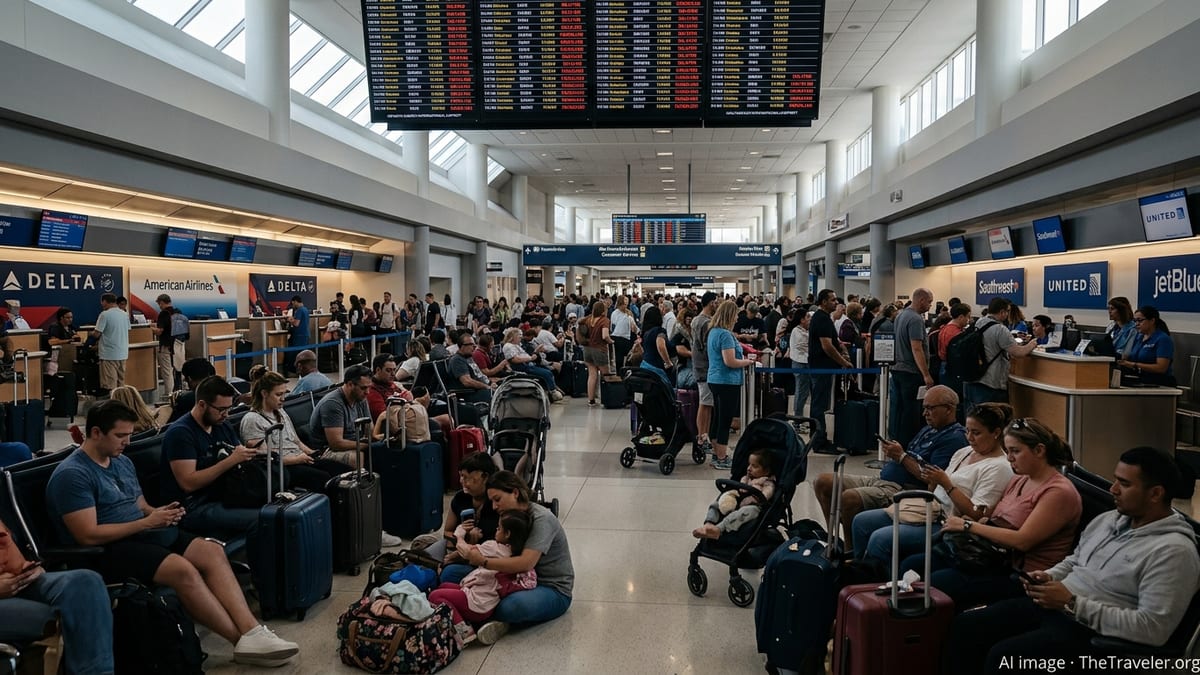
Heavy Disruption Across Busy Spring Travel Corridor
The disruption at Orlando International Airport, one of the busiest tourism gateways in the United States, comes during a period of heightened spring travel demand. The airport serves major domestic carriers alongside transatlantic and Latin American operators, making even a few dozen affected flights ripple quickly across the network. With more than three hundred delayed flights recorded on Saturday, the impact is being felt by travelers heading to and from key markets across the country and abroad.
Data from airport and industry dashboards for March show Orlando handling hundreds of daily departures, with Southwest, Delta, Spirit, JetBlue and Frontier among the largest operators by flight volume. In this context, over 300 delays in a single day represents a meaningful portion of the schedule, with knock-on effects ranging from missed connections to extended waiting times for aircraft, crews and gates.
Travelers at Orlando have been reporting crowded gate areas, lengthened boarding processes and rolling schedule changes as airlines work through the backlog. Social media posts from passengers in recent days describe long security queues and repeated re-boarding of aircraft as operations adjust to weather, staffing and broader system constraints across the national air network.
The pattern of disruption is particularly challenging in a leisure-focused market such as central Florida, where many passengers are families on tightly planned vacations to theme parks and resort areas. For those travelers, even relatively short delays can translate into lost hotel nights, missed cruise departures or additional ground-transportation costs.
Spirit, Icelandair, Delta and Others Under Pressure
Publicly available flight-tracking information shows that Saturday’s delays and cancellations at Orlando are spread across a wide range of airlines, with Spirit Airlines, Icelandair and Delta Air Lines among the most prominent names affected. Spirit is one of Orlando’s largest low-cost operators by daily departures, serving dozens of domestic and near-international destinations, which increases the visibility of its disruptions on the departure boards.
Recent months have already brought operational strain for some low-cost carriers nationally, with traveler reports frequently highlighting tight crew scheduling and limited slack in aircraft rotations. When weather or air traffic issues arise, that lean operating model can translate into cascading delays or same-day cancellations as airlines struggle to reassign pilots and flight attendants in time to keep aircraft moving.
Icelandair’s role as a long-haul international carrier means that a single delayed or cancelled Orlando departure can affect passenger itineraries spanning multiple continents. Connections through its transatlantic hub depend on punctual departures from U.S. gateways, and schedule disruptions in Orlando can force travelers into lengthy rebooking processes or overnight stays when onward flights are missed.
Delta, a major full-service carrier at Orlando, is also contending with the broader pressures of a tightly wound national aviation system. Published travel commentary in recent days has described delays and occasional cancellations on Delta routes touching Orlando and other southeastern hubs, reflecting how disruptions in one city can ripple through interconnected networks.
Possible Drivers: Weather, Staffing and Network Strain
While the exact mix of causes behind Saturday’s 323 delays and 11 cancellations is still being assessed, recent public coverage of operations at Orlando International Airport points to a combination of weather, staffing and air traffic management constraints. Earlier in the week, thunderstorms across parts of the Southeast and Mid-Atlantic prompted ground holds and rerouting, which can result in aircraft and crew being out of position for subsequent flights.
Commentary from passengers and local observers has also referenced periods of strain within air traffic control facilities that serve central Florida, with previous episodes of reduced staffing contributing to significant departure delays from Orlando. When those constraints align with strong leisure demand and constrained airline staffing, the system becomes more vulnerable to multi-hour delays on peak travel days.
On the airline side, low-cost operators in particular have been under scrutiny in recent seasons for relatively high rates of schedule disruption. Public discussions among travelers have highlighted how limited reserve crews and tightly packed aircraft rotations can leave little room to recover when a flight experiences a prolonged delay. In some cases, passengers have described multi-hour waits in terminals and last-minute cancellations after boarding, underscoring the fragility of operations under pressure.
Industry analysts note that even full-service carriers are not immune to these dynamics. As demand has rebounded strongly, fleets and staffing levels have not always kept pace evenly across markets, leaving airlines more exposed to knock-on effects from weather, technical issues or congestion at busy hubs.
Impact on Passengers Extends Beyond the Airport
The operational difficulties in Orlando are being felt well beyond the terminal. For many travelers, delays of several hours or an overnight cancellation can quickly grow into a chain of additional costs for hotels, rental cars and rebooked activities. Families wrapping up vacations may find themselves paying extra for extra nights near the airport or absorbing fees for changing theme park reservations and shuttle services.
Reports from recent days describe passengers attempting to switch carriers at the last minute in order to reach their destinations, sometimes purchasing walk-up fares on competing airlines when original flights are significantly delayed or cancelled. Others have opted to abandon air travel altogether in favor of long-distance drives when repeated schedule changes made it difficult to rely on same-day departures.
Travelers with international itineraries are particularly exposed when disruptions hit a connecting hub such as Orlando. Missed long-haul flights can lead to rebookings several days out, especially during busy travel periods when alternative seats are limited. That in turn can create pressure on airlines to provide meal vouchers and lodging, adding to the overall cost of irregular operations.
Airlines affected by Saturday’s delays and cancellations are continuing to adjust their schedules and aircraft assignments in an effort to restore normal operations. However, passengers booked to travel through Orlando over the remainder of the weekend are being advised by publicly available guidance and travel commentary to monitor flight status closely and to allow extra time at the airport in case of extended security or check in lines.
What Travelers Through Orlando Should Expect Next
With Orlando International Airport entering a traditionally busy stretch of the spring and early summer travel season, further days of heavy congestion remain possible even once the immediate backlog eases. Industry observers point out that recovery from a high-disruption day often extends into subsequent schedules, as aircraft and crews return to normal rotations and airlines work through rebooked passengers.
Travel information services and consumer travel advocates are broadly recommending that passengers flying through Orlando build additional buffer into their plans, particularly when connecting to cruises, international flights or time-sensitive events. Early morning departures are often cited as less vulnerable to cascading delays, although they can still be affected when disruptions from the previous day lead to aircraft arriving late overnight.
For travelers choosing among carriers on Orlando routes, publicly available performance data suggests that on time statistics can vary meaningfully by airline and by time of day. Passengers with greater schedule flexibility may opt for flights with historically stronger punctuality records or select itineraries with longer connection windows to reduce the risk of missed onward flights.
As airlines including Spirit, Icelandair, Delta and other operators work to stabilize their schedules in the wake of Saturday’s disruptions, Orlando remains a focal point in the broader conversation about capacity, resilience and reliability in the U.S. air travel system. The events of March 22 are likely to add to ongoing public scrutiny of how carriers and aviation authorities prepare for, and respond to, periods of high demand and operational stress.