

More news on this day
More than 30 flights serving Mexico’s biggest tourism and business hubs have been cancelled in recent days, disrupting travel to Cancun, Mexico City, Guadalajara, Monterrey, Los Cabos, and other destinations on multiple carriers including Viva Aerobus, WestJet, JetBlue, Volaris, and American Airlines.
Get the latest news straight to your inbox!
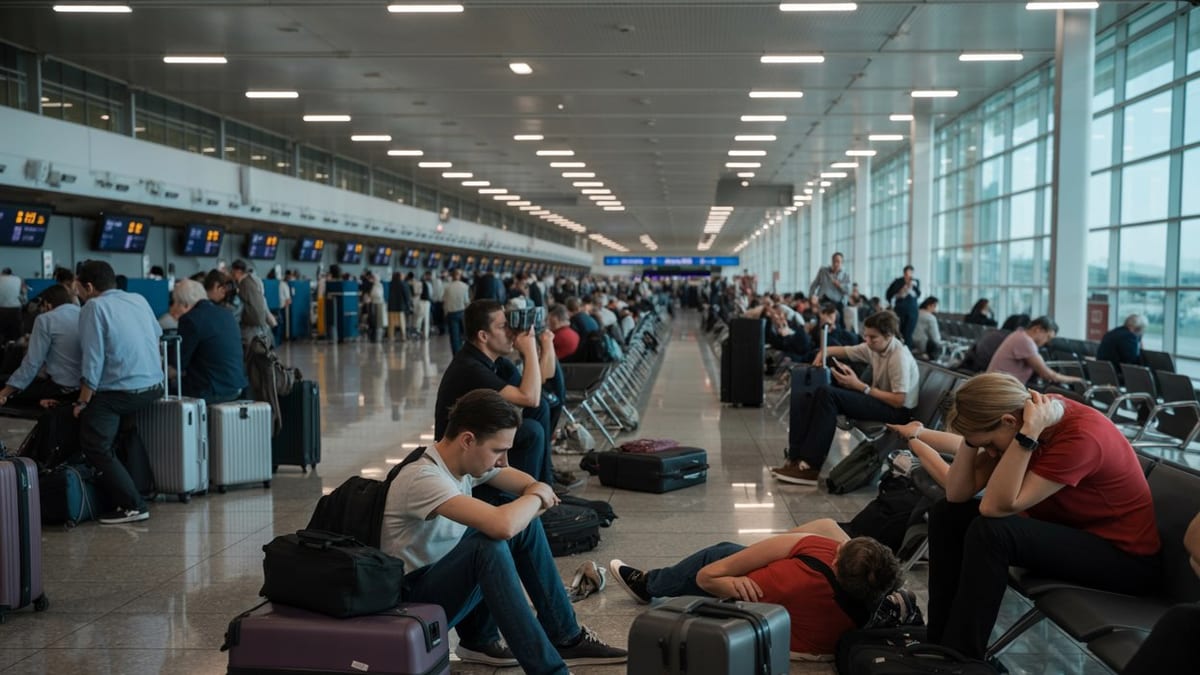
Image by Travel And Tour World
Wave of Cancellations Builds on a Week of Disruption
Published coverage over the past several days shows a steady escalation of flight disruption across Mexico’s main gateways. A recent update highlighted more than 25 cancellations on routes touching Cancun, Mexico City, Guadalajara, Monterrey, Tijuana, and Los Cabos, affecting operations for WestJet, Viva Aerobus, Spirit, United, and other airlines. Additional daily reports since then point to further cancellations and extensive delays, pushing the total number of axed flights well past 30.
Travel-focused outlets tracking day-of operations report that the cancellations are being accompanied by hundreds of delays, creating knock-on impacts for both domestic and international itineraries. Passengers heading into or out of Mexico’s busiest airports are facing extended waits, missed connections, and last-minute rebookings on already crowded services.
The pattern emerging from publicly available flight-tracking snapshots is one of rolling disruption rather than a single, isolated event. Some cancellations have been concentrated on specific city pairs or departure banks, while others appear scattered throughout the day, complicating efforts by travelers and airlines alike to plan around the problems.
Although the precise mix of operational causes varies by carrier and route, the result for travelers is broadly similar: reduced capacity on key leisure and business corridors at the tail end of March, when demand for Mexican sun destinations typically remains high.
Key Airports Under Pressure: Cancun, Mexico City, Guadalajara, Monterrey, Los Cabos
The latest wave of cancellations is centered on Mexico’s main international gateways, many of which function as both destination airports and connection points. Cancun, long a bellwether for the country’s tourism sector, has seen repeated reports of disrupted operations in recent days, with earlier bulletins noting hundreds of delays alongside a smaller but still significant number of outright cancellations.
Mexico City’s primary international airport has also featured in cancellation tallies, including at least one Viva Aerobus service to Monterrey cited in recent coverage, underscoring how domestic links between major cities are being affected. Mexico City’s role as a key connecting hub means local disruptions can quickly ripple outward to secondary Mexican markets and onward international flights.
In western Mexico, Guadalajara and Monterrey continue to experience intermittent cancellations and sizable delay counts. These airports serve as important bases for low-cost carriers and as spokes for North American airline networks, so schedule changes there can disrupt both point-to-point trips and multi-leg itineraries, particularly for travelers combining U.S. and Mexican segments on the same ticket.
Reports also indicate impacts on services to and from Los Cabos and Tijuana, reinforcing that the disruption is not limited to a single coastline or region. For travelers planning resort stays, cruise connections, or inland tours that start from these airports, the growing list of cancellations increases the risk of shortened vacations or missed ground arrangements.
Airlines Most Affected: Viva Aerobus, WestJet, JetBlue, Volaris, American
A cross-section of low-cost and full-service airlines is involved in the current disruption. Recent roundups of Mexico operations have repeatedly mentioned Viva Aerobus and Volaris among the most affected carriers, with cancellations and dozens of delays registered across multiple days. These two airlines play a central role in Mexico’s domestic connectivity, so any reduction in their schedules can be felt across the network.
Canadian carrier WestJet has appeared in several recent Mexico disruption summaries, particularly on services linking western Canada with resort destinations such as Cancun, Los Cabos, and other coastal gateways. For Canadian travelers relying on limited seasonal frequencies, the loss or delay of even a single flight can translate into multi-day trip adjustments.
JetBlue, which serves Mexico from U.S. gateways, has also been listed among the airlines facing interruptions, alongside American Airlines and other major U.S. carriers that maintain extensive Mexico networks. While some reports emphasize delays more than outright cancellations for these airlines, any reduction in on-time performance tightens connection windows and complicates same-day travel plans.
Earlier in the year, broader disruption events tied to security concerns and regional instability had already prompted temporary cancellations by several North American airlines serving western Mexico. The latest operational issues add an additional layer of uncertainty for travelers who may already be monitoring advisories and flexible ticket policies for flights into the region.
What Travelers Are Experiencing on the Ground
Accounts compiled from recent travel coverage describe terminals filled with passengers waiting on updated departure times, hunting for scarce seats on alternative flights, or queuing at service counters after seeing their flights marked as cancelled. With many affected routes serving leisure markets, some travelers are arriving to start holidays later than planned or finding their returns home compressed into tighter windows.
In airports like Cancun and Mexico City, where multiple carriers operate overlapping schedules, rebooking options may exist but can be limited by high load factors near the end of the peak winter travel period. When entire waves of departures are cancelled or significantly delayed, same-day re-accommodation can become difficult, pushing travelers into overnight stays or forcing changes to downstream plans such as hotel check-ins, tours, or cruise departures.
Domestic passengers using Viva Aerobus and Volaris to connect between major Mexican cities have also seen plans upended, particularly when cancellations involve early-morning or late-evening departures that anchor daily schedules. For business travelers on tight itineraries, even short-notice schedule changes can mean missed meetings or the need to extend stays.
Travel commentary suggests that some passengers are turning to alternative airports or overland transport where feasible, especially in central and western Mexico, to avoid crowded hubs or to reposition for more reliable connections. However, this option is not practical for all travelers, especially those on shorter breaks or complex multi-country itineraries.
Planning Ahead: Practical Steps for Upcoming Trips to Mexico
With disruption affecting a variety of carriers and routes, publicly available guidance consistently emphasizes preparation and flexibility for anyone traveling to Mexico in the coming days. Travelers are being encouraged to monitor their flight status frequently, particularly within 24 hours of departure, as same-day schedule changes have become more common.
For those yet to depart, building additional buffer time into connections, especially when pairing a Mexico leg with a separate-ticket onward flight, can reduce the risk of missed onward journeys. Opting for earlier departures in the day, where possible, may provide more rebooking options if flights are cancelled or suffer extended delays.
Airlines typically handle Mexico-related disruptions through standard policies covering rebooking and credits, and several large carriers continue to promote flexible change options on their websites in response to broader regional volatility. Travelers should review fare rules in advance and keep digital copies of tickets and receipts handy to streamline discussions at airport counters or through call centers.
Hotels and tour operators in popular destinations such as Cancun, Los Cabos, and Mexico City are generally accustomed to dealing with air travel disruption, and many allow some flexibility on check-in times or activity rescheduling. Even so, travelers are often advised to contact their accommodation providers proactively if flight status updates suggest a late arrival or unplanned overnight stay in a connecting city.