

More news on this day
Travelers across Asia faced long queues, overnight waits and mounting frustration as more than 40 flights were cancelled in Indonesia, Malaysia, Taiwan and Hong Kong, disrupting key routes to Jakarta, Bali, Kuala Lumpur, Penang, Taipei and other major hubs, according to early tallies from airport and airline information dashboards on March 29.
Get the latest news straight to your inbox!
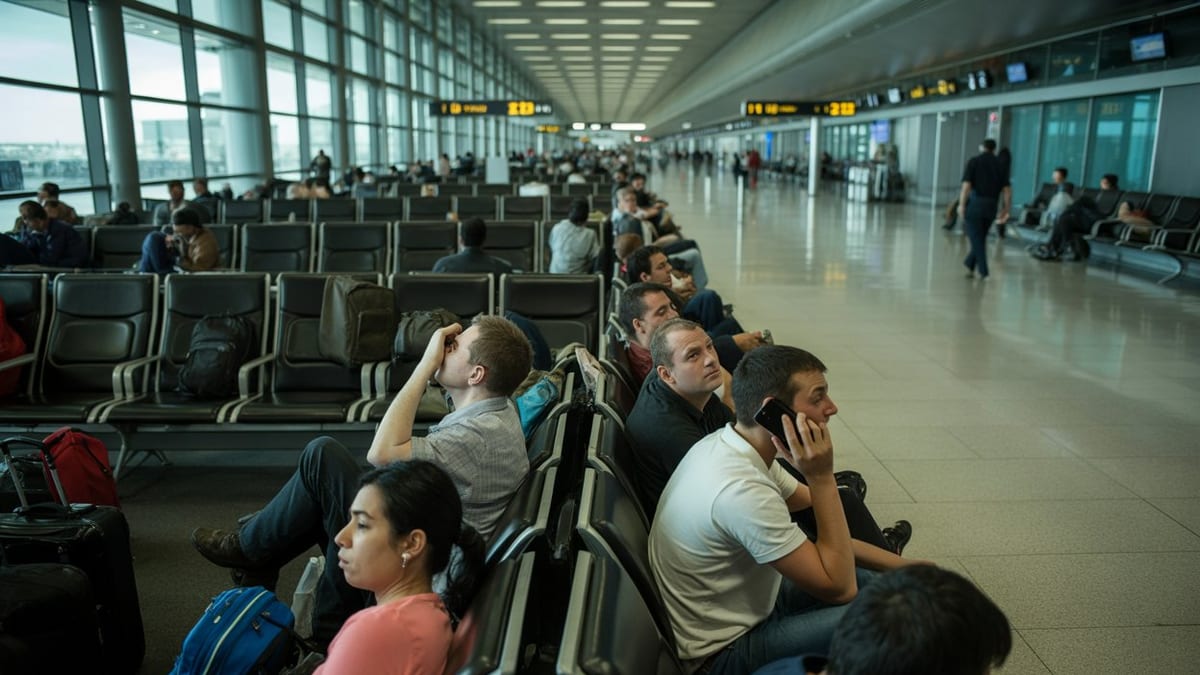
Image by Global Travel Alerts, Advisories, International Travel Alerts
Widespread Cancellations Hit Regional Hubs
Publicly available flight status boards and aviation tracking platforms on March 29 show clusters of cancellations affecting departures and arrivals across several major Asian gateways, including Jakarta’s Soekarno Hatta, Bali’s Ngurah Rai, Kuala Lumpur International, Penang International, Taipei Taoyuan and Hong Kong International. Early counts indicate that more than 40 services were withdrawn or heavily delayed within the day’s schedule, with knock-on disruption expected into the weekend.
Reports indicate that the affected services involve a mix of regional and long haul operations, with airlines such as Batik Air, Malaysia Airlines and Saudia among the carriers cancelling or adjusting flights. Routes connecting Indonesia and Malaysia with Taiwan and Hong Kong appear particularly disrupted, stranding passengers in transit and forcing others to scramble for last minute rebookings or overnight accommodation.
Information published by local media outlets and shared on social platforms by travelers shows long lines at check in counters and customer service desks, as passengers attempt to secure alternative routings. Some travelers report waiting several hours for updated information as airlines work through revised crew schedules and aircraft rotations.
While precise passenger numbers are still being compiled, capacity data for the affected routes suggests that several thousand people may have seen their travel plans upended in the space of a single operational day.
Operational and Geopolitical Pressures Converge
The cancellations come at a time when Asia’s aviation network is already under strain from a combination of operational bottlenecks and geopolitical uncertainty. Recent coverage from industry and general news outlets has highlighted how airspace restrictions and diversions on key Europe to Asia corridors are adding complexity and cost for airlines, with aircraft and crews operating longer, more circuitous routings.
Analysts note that when airlines are running tight schedules and aircraft are deployed intensively, any additional disruption, such as weather issues or technical checks, can cascade quickly across a network. In hub airports like Kuala Lumpur and Jakarta, where multiple banks of flights connect regional and long haul services, the loss of a single aircraft rotation can trigger a chain of missed connections and subsequent cancellations.
According to aviation data providers cited in recent coverage, carriers in the region have been operating with reduced buffers in terms of spare aircraft and crew, a legacy of post pandemic restructuring and ongoing fleet renewal programs. This leaves little room to absorb unplanned events, making same day cancellations more likely when problems arise.
Industry commentary also points to continued volatility in fuel prices and route economics, factors that can prompt airlines to trim or consolidate flights at short notice when loads are weaker than expected or operating margins come under pressure.
Passengers Face Long Waits and Limited Options
Travelers caught up in Friday’s disruption report a patchwork of responses and options, varying by airline and departure point. Some passengers on cancelled Batik Air and Malaysia Airlines services between Indonesia and Malaysia describe being moved to later flights on the same carrier or reprotected on partner airlines, subject to seat availability. Others, particularly those in smaller markets linking into Taipei or Hong Kong, indicate that the next available departure may not be until the following day.
In international hubs, airport staff have been assisting with hotel information and transport guidance for those forced to stay overnight. Publicly available postings from affected travelers suggest that while some airlines are providing meal vouchers or accommodation in line with their policies, others are focusing on rebooking and advising passengers to claim additional costs through travel insurance.
With school holidays and regional events boosting demand on several of the affected routes, alternative seats are proving difficult to secure at short notice. Fare data visible on online booking platforms shows higher prices remaining on many same day and next day flights, especially on popular leisure routes such as Bali and Penang.
Consumer advocates quoted in recent travel coverage recommend that passengers document all communications with airlines, keep receipts for unavoidable expenses and review the specific conditions of carriage and local regulations that may determine eligibility for refunds or compensation.
Carriers Adjust Schedules as Disruption Spreads
As the day progressed, schedule updates from multiple airlines showed a mix of outright cancellations and last minute retimings. Saudia services linking Southeast Asian cities with Jeddah and onward connections have seen adjustments, according to online timetables, with some flights retimed to later departure slots to accommodate altered routings and crew duty limits.
Batik Air and Malaysia Airlines, both significant players on intra Asian routes, appear to have focused on maintaining core trunk services while consolidating or cancelling less busy frequencies. Flight status pages display several instances of merged flights or downgraded aircraft types, a common tactic used to keep as many travelers moving as possible with reduced capacity.
At airports in Taiwan and Hong Kong, arrival boards list a series of cancelled or delayed flights from Southeast Asian origins, indicating that the disruption is not confined to one national market but spread across the broader regional network. Ground handling and airport operations teams are working to reposition aircraft and clear backlogs of departing passengers where slots and crew are available.
Travel industry observers say that further adjustments are likely over the coming days as airlines continue to rebalance their schedules. Passengers booked on upcoming departures are being encouraged, through airline advisories and travel agent notices, to check their flight status frequently and allow extra time at the airport.
What Travelers Should Do If Their Flight Is Affected
For travelers currently in transit or preparing to depart to or from Jakarta, Bali, Kuala Lumpur, Penang, Taipei or Hong Kong, experts in published travel guidance recommend a proactive approach. Checking flight status directly through airline apps and official airport information screens remains the most reliable way to verify whether a service is operating as planned.
Where a cancellation is confirmed, many carriers now allow customers to change dates, reroute, or request vouchers through digital self service channels, which can sometimes be faster than queuing at a physical counter. Passengers are advised to review their booking class and fare rules, as flexibility can vary significantly depending on the type of ticket purchased.
Travel insurance policies may provide additional protection, particularly for those who incur extra accommodation or transport costs due to missed connections or extended delays. Policy summaries available from major insurers typically list covered causes of disruption and the documentation required to support a claim, such as airline notifications or boarding passes.
With aviation networks across Asia still operating in a highly dynamic environment, seasoned travelers and industry observers alike emphasize the importance of keeping itineraries flexible, monitoring developments closely and building in contingency time where possible when connecting through major hubs in the region.