

More news on this day
When a routine connection turned into an unexpected overnight delay, an airport nap room offered a quiet bed, hot shower and workspace that softened both the fatigue and the surprisingly steep bill.
Get the latest news straight to your inbox!
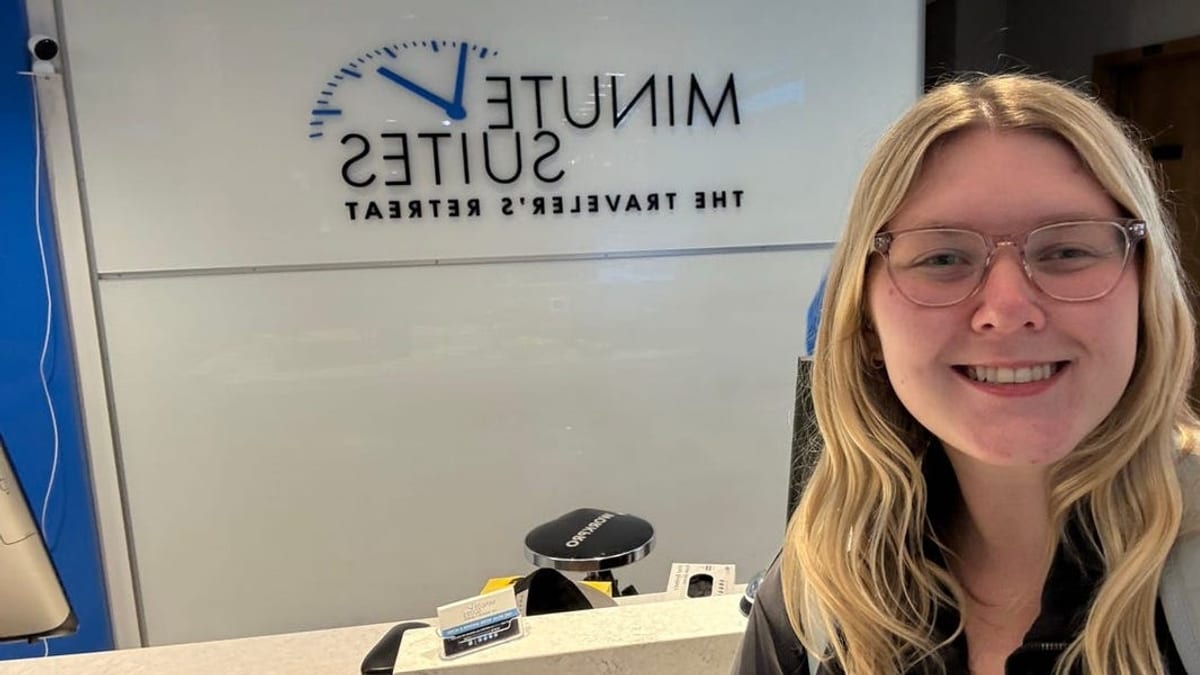
From Gate Campout to Paid Privacy
For many travelers, an overnight delay still means curling up in a plastic chair under fluorescent lights. Yet a growing number of airports now offer an alternative in the form of nap rooms, sleep pods and mini-suites located steps from the gate. These compact, private spaces promise a darkened room, sound-dampening walls and a real mattress instead of a patch of carpet.
In this case, a late-evening weather disruption pushed a connection into the following morning, leaving the traveler with a gap of nearly eight hours and little appetite for a taxi ride to an off-site hotel. Nearby airport hotels showed limited availability and higher than usual walk-up rates. Inside the terminal, a cluster of nap rooms marketed for short daytime rests suddenly looked like the most straightforward solution.
The booking process was intentionally streamlined. Most airport nap facilities now allow walk-up reservations with digital check-in, charging by the hour or in discounted blocks for overnight use. Rates at major hubs generally start around 40 to 50 dollars for the first hour and can climb beyond 200 dollars for a full night, according to price lists compiled by travel sites that track in-terminal sleep options.
That price can sting, particularly for budget travelers already frustrated by delays. But in practice, the choice often comes down to weighing the cost against hours of genuine rest, security inside the terminal and the ability to stay close to an early-morning rebooked flight.
What a Modern Airport Nap Room Actually Offers
Behind the discreet doors, today’s nap rooms look less like improvised cubicles and more like scaled-down hotel rooms. Industry operators promote features such as a single or small double bed with hotel-style linens, individually controlled lighting and climate, and solid doors or sliding partitions that shut out concourse noise.
Many facilities go beyond simple sleep space. Some U.S. locations operated by mini-suite providers highlight desks, ergonomic chairs and high-speed Wi-Fi, effectively turning the room into a temporary office for travelers catching up on work between flights. Others emphasize family-friendly layouts with room for a parent and child to rest away from crowded departure lounges.
Shower access is an increasingly common perk. At several international and domestic airports, nap lounges bundle short sleep blocks with private bathroom and shower use, sometimes including toiletries and fresh towels. For travelers arriving from long-haul flights or facing back-to-back connections, the ability to wash up and change clothes can be as valuable as the mattress itself.
Airport-focused travel guides note that some properties also provide extras such as alarm services, white-noise options, blackout curtains and charging stations positioned at the bedside. These touches are designed to help travelers maximize rest during short bookings, where even 90 minutes of uninterrupted sleep can make a noticeable difference in how they feel boarding the next flight.
Sticker Shock vs. On-the-Ground Reality
When the overnight bill is tallied, nap rooms rarely qualify as cheap. Social media posts and traveler forums in early 2026 highlight overnight rates in the 200 dollar range at several major airports, sometimes higher than nearby limited-service hotels. That gap often fuels debate over whether the convenience is worth the markup.
However, publicly available comparisons show that headline hotel rates do not always tell the full story. An off-site hotel may appear less expensive per night, but added costs for late-night ride-hailing, local taxes and early check-out can narrow the difference. For travelers who must clear security again in the morning, time and uncertainty at checkpoints become part of the calculation.
Nap room operators position their product squarely in this gray zone between a lounge visit and a full hotel stay. Some offer discounted blocks for six- or eight-hour stays, particularly during off-peak overnight windows, which can make pricing more palatable on a per-hour basis. Others partner with membership programs to provide limited complimentary access or reduced rates, effectively turning the rooms into an extension of premium lounge networks.
In the scenario of an unexpected overnight delay, the traveler ultimately weighed the cost of the nap room against the physical toll of staying upright in a noisy concourse and the logistical hassle of leaving the airport. The final tab felt high, but the ability to sleep behind a closed door and wake only steps from the departure gate shifted the experience from ordeal to manageable inconvenience.
Airports Race to Add Sleep Options
The decision to rent a nap room is increasingly possible because more airports are adding them to their mix of passenger amenities. According to recent coverage of South Florida aviation developments, Miami International Airport has opened a cluster of sleep rooms in its north terminal, with prices listed from around 40 dollars for a single hour to roughly 245 dollars for an overnight stay. Similar facilities have appeared at hubs in Atlanta, Charlotte, Dubai, Frankfurt and other major connection points.
Industry observers describe the trend as part of a broader shift toward monetizing time spent in terminals. Airports once focused primarily on retail and dining are now experimenting with flexible spaces that can be quickly reconfigured as demand changes, from day offices and quiet zones to pay-per-use rest cabins.
Internationally, sleep pods and nap cabins have become particularly common in long-haul transit hubs where passengers may face layovers of eight hours or more. Operators market them as a middle ground between traditional airport hotels and open seating, aiming to capture travelers who do not want to leave the secure area but still need privacy and rest.
Data pulled together by specialist websites that track sleep-friendly facilities shows an expanding directory of airports with some form of paid nap option, whether branded pods, capsule-style cabins or mini-suites. The offerings vary widely in size, design and price, but they share an emphasis on flexibility and short minimum stays.
What Travelers Should Weigh Before Booking
For anyone considering an airport nap room on their next disrupted trip, timing and personal priorities matter. Travelers facing a short delay of two or three hours may find more value in a reclining chair, a quiet corner or access to a traditional lounge. Those staring down a six- to ten-hour overnight gap, especially with early rebooked departures, are more likely to see the appeal of a private room.
Travel planning resources recommend checking whether nap rooms are located airside or landside, as this determines whether passengers must clear security again. They also point out that bookings during peak holiday travel or severe weather events can sell out quickly, limiting last-minute options for stranded travelers.
Comfort expectations should be calibrated as well. Nap rooms are usually compact, with minimal storage and no full-service front desk. They are built for rest rather than extended stays. Still, for travelers coping with cancellations, jet lag or back-to-back long-haul flights, a few hours of darkness and silence can be transformative, even if the hourly rate feels steep.
For the traveler who reluctantly swiped a credit card after an overnight delay, the nap room ultimately delivered what the terminal could not: a bed, a shower and a small buffer of privacy in a long, disrupted journey. The price was hard to ignore, but the perks made it easier to accept as a one-night investment in arriving a little more rested at the next destination.